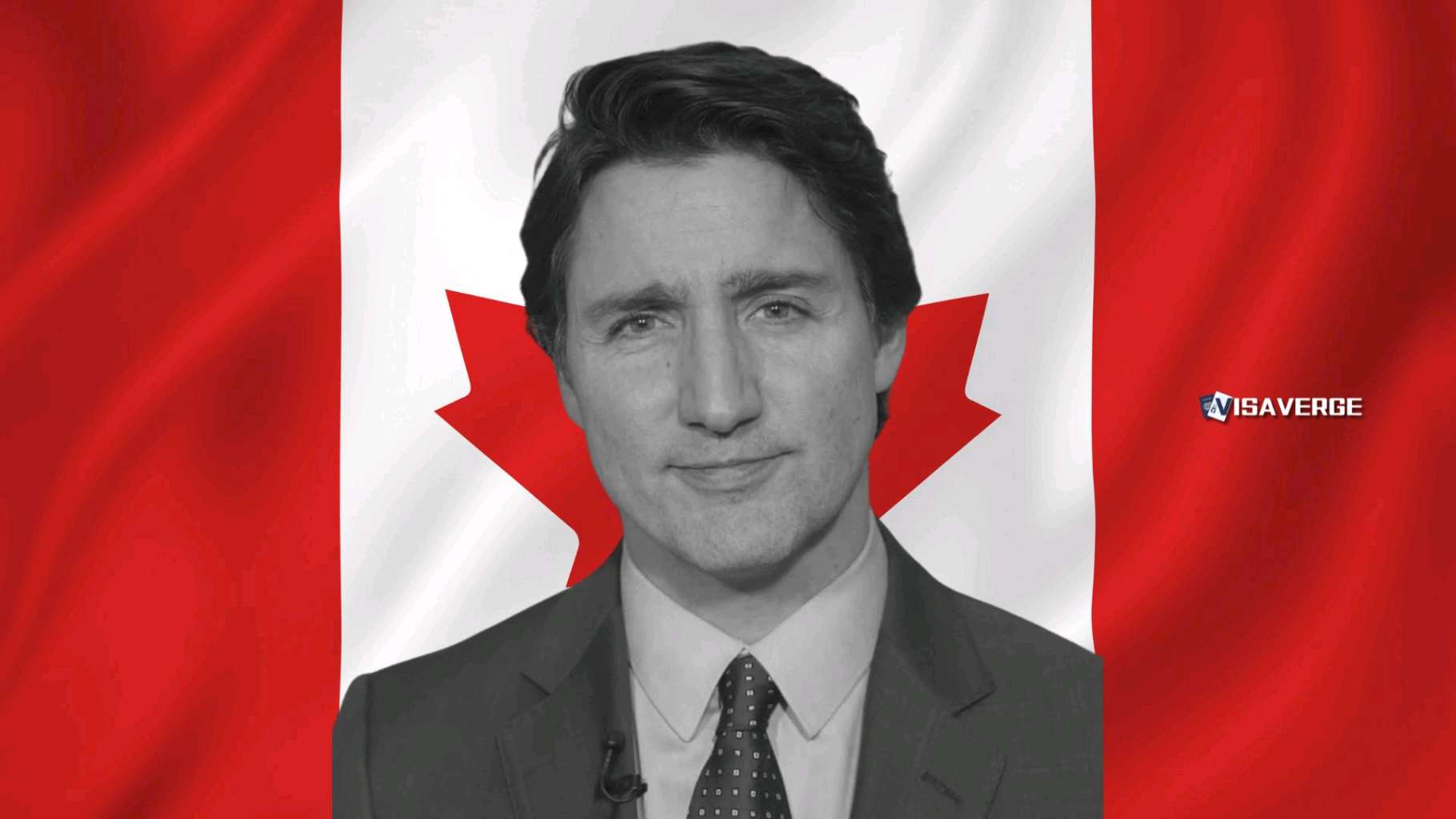
In recent remarks, Canadian Prime Minister Justin Trudeau brought to light the compelling challenges Canada faces with the influx of temporary immigrants, particularly foreign workers, and international students. It’s a scenario that unfolds against the backdrop of Canada’s reputation as a welcoming land for immigrants, yet it raises questions about sustainability and integration within the community. This post delves into Trudeau’s concerns, the statistics that underscore the issue, and the measures being considered to address the burgeoning strain on Canada’s immigration system.
What Did Justin Trudeau Say About Canada’s Immigration Challenges?
At an event in Dartmouth, Nova Scotia, Justin Trudeau pointed out a worrying trend: the surge in temporary immigrants, including international students and foreign workers, has escalated “far beyond what Canada has been able to absorb.” Such a statement from the Prime Minister underlines the gravity of the situation as the nation grapples with balancing inclusivity and sustainable growth. He specifically noted that temporary immigrants, which comprised only 2% of the population in 2017, now represent 7.5%, signaling an urgent need for intervention to bring these numbers “back under control.”
Why Are Foreign Workers and International Students in Canada Worriesome?
The spotlight on foreign workers and international students in Canada isn’t without reason. Beyond the numbers, there are tangible concerns about the impact of such rapid growth in temporary immigration:
- Mental Health Concerns for Students: The pressure and uncertainties that come with being an international student abroad can lead to significant mental health issues.
- Dependency of Businesses on Temporary Workers: This increasing reliance could potentially suppress wage growth in certain sectors by saturating the job market.
- Housing Shortage: Canada’s infrastructure, particularly in housing, has not kept pace with the swell in population due to immigration. This discrepancy has led to an acute housing crisis, exacerbated by rental inflation, which spiked to 7.8% in the final quarter of last year.
What Are the Numbers Saying?
The scale of the issue becomes clearer with a look at the statistics: In 2022 alone, Canada played host to 5.5 lakh (550,000) international students. Among these, a staggering 40%, amounting to 2.26 lakh (226,000), were from India. Moreover, there were 3.2 lakh (320,000) Indians residing in Canada on student visas – a figure that significantly contributes to the narrative of overcapacity and resource strain mentioned by Trudeau.
How is Canada Addressing the Immigration Surge?
Recognizing the unsustainable pace of growth in temporary immigration, the Canadian government is taking steps to recalibrate its strategy. Notably, Immigration Minister Marc Miller announced plans to set specific targets for the number of temporary residents allowed into Canada. The objective is to limit temporary residents to 5% of the nation’s population over the next three years, ensuring a more controlled and manageable growth trajectory. For more information on Canadian immigration policies and measures, interested parties can visit Immigration, Refugees and Citizenship Canada.
What About Permanent Residents?
While the focus may momentarily swing towards managing temporary immigration, Canada maintains its commitment to welcoming new permanent residents. The country aims to invite 485,000 new immigrants in the coming year, with projections to increase this number to 500,000 for both 2025 and 2026. Such targets underscore Canada’s long-term vision of fostering a diverse and dynamic demographic, all while ensuring that the growth aligns with the nation’s capacity to integrate and support newcomers effectively.
Looking Ahead
Prime Minister Justin Trudeau’s candid discussion on the challenges posed by the swift influx of temporary immigrants into Canada serves as both a reality check and a call to action. It reveals the delicate balance between maintaining an open-door policy and ensuring that the country’s infrastructure, resources, and social fabric remain resilient against the pressures of rapid population growth.
As Canada embarks on this recalibration of its immigration policies, it stands at a critical juncture. The path it chooses will not only shape the nation’s demographic landscape but also define its identity as a beacon of diversity and opportunity in the years to come.
This Article In A Nutshell:
In a recent speech, Canadian PM Trudeau highlighted the rising challenges of accommodating temporary immigrants – students and workers. Rapid growth raises concerns on sustainability and integration. With plans to cap temporary residents at 5% of the population, Canada aims for a balanced and controlled immigration strategy for a harmonious future.
— By VisaVerge.com