Key Takeaways
- Canada reduces 2025 immigration target by 21% to address housing shortages, economic strain, and shifting public opinion.
- Economic pressures such as rising unemployment and housing crisis influenced the decision to lower immigration levels.
- Public concern over high immigration influenced the policy change, aiming to regain support for Trudeau’s government.
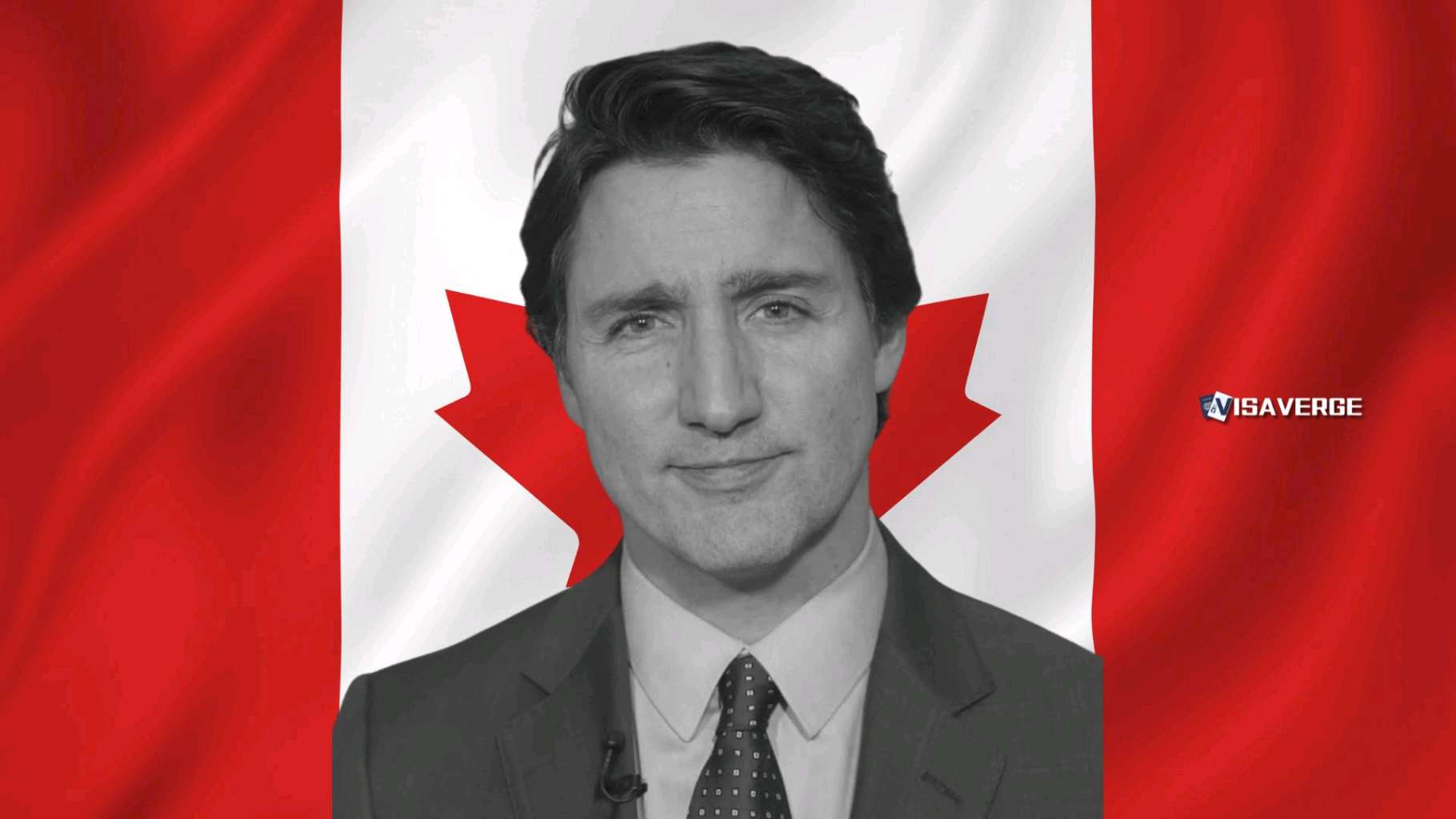
In a pivotal policy shift, Canadian Prime Minister Justin Trudeau has announced a 21% decrease in immigration targets for 2025. This adjustment marks a significant change from Canada’s historically welcoming approach to immigration, a key part of its demographic and economic strategy. The revised targets aim to tackle pressing issues, including housing shortages, economic strain, and evolving public opinion on immigration.
Background and Rationale
Canada has historically relied heavily on immigration for population growth and labor market demands. Recent plans aimed to welcome 500,000 new permanent residents annually by 2025. However, this strategy has faced criticism due to its unintended consequences on housing and public services. Trudeau acknowledged, “We didn’t get the balance quite right” in previous policies, referring to how the increase in newcomers has pushed the housing crisis and raised living costs. The adjusted plan now aims for 395,000 permanent residents in 2025, with further cuts to 380,000 in 2026 and 365,000 in 2027.
Free toolCanada Express Entry Points CalculatorEconomic and Social Implications
Economic challenges play a significant role in lowering immigration targets. In September 2024, Canada’s unemployment rate rose to 6.5%, with youth unemployment over 14%. These numbers point to the difficulties in integrating large numbers of immigrants into the workforce without adequate support. Additionally, the country is experiencing a severe housing affordability crisis, with housing prices rising more than 355% from 2000 to 2021. To restore affordability, the Canada Mortgage and Housing Corporation estimates 3.5 million more homes are needed. Reducing immigration targets aims to ease some of this housing pressure.
Public Sentiment and Political Context
Public sentiment has greatly influenced this policy change. A survey by the Environics Institute found that 58% of Canadians think immigration levels are too high, indicating concerns about impacts on public services and community resources. Politically, Trudeau’s government has faced backlash for raising immigration levels without improving infrastructure and services accordingly. Cutting back on targets appears to be a strategic response to regain public support.
Effect on Temporary Residents
In addition to permanent residents, the new plan impacts temporary residents, including international students and foreign workers. The government plans to lower temporary resident numbers from 6.5% to 5.2% of Canada’s population by 2026. Measures include placing a cap on study permits and stricter requirements for temporary foreign workers. The focus is shifting towards transitioning current temporary residents to permanent status, with over 40% of new permanent residents by 2027 expected to come from those already in Canada. This strategy aims to manage population growth while addressing labor market needs.
Criticism and Concerns
Despite efforts to balance economic and social needs, the policy change has sparked criticism. Advocacy groups argue that migrants are wrongly blamed for systemic issues like housing shortages and insufficient public services. Another concern is that cutting immigration could impede Canada’s ability to attract the global talent necessary for sustained economic growth. Larissa Bezo, President & CEO of the Canadian Bureau for International Education, warned that these changes might harm Canada’s capacity to recruit top-notch international students and workers.
Future Outlook
Canada’s revised immigration strategy shows an effort to harmonize economic demands with social capabilities. By concentrating on integrating existing residents and controlling population growth sustainably, the country aims to maintain its image as a welcoming place while facing domestic challenges. However, the success of this approach hinges on effective execution and potential adjustments based on the economic climate and public responses. Policymakers must engage communities and stakeholders to ensure immigration policies match Canada’s priorities and values.
In conclusion, Trudeau’s decision to cut immigration targets marks a crucial change in how Canada manages its population growth and economic development. While it tackles immediate challenges like housing and public services, it introduces new issues that need careful planning for future prosperity. As reported by VisaVerge.com, the evolving strategy reflects Canada’s commitment to balancing its historical openness with the growing need for sustainable domestic solutions.
For more detailed insights into Canada’s immigration policies, visit Canada’s official immigration website here.
Learn Today
- Immigration Targets: Predefined goals set by a country for the number of immigrants it aims to accept annually.
- Permanent Residents: Individuals granted the legal right to live and work in a country indefinitely without citizenship.
- Housing Affordability Crisis: A situation where housing costs rise significantly, making it difficult for average income earners to afford homes.
- Temporary Residents: Non-citizens allowed to stay in a country for a limited period, such as students or temporary workers.
- Public Sentiment: The collective opinion or attitude of the general population towards specific issues, policies, or events.
This Article in a Nutshell
In a landmark move, Canadian PM Justin Trudeau cuts 2025 immigration targets by 21%, addressing housing shortages and economic pressures. While aiming to balance population growth with socio-economic needs, the policy faces critique for potentially stifling global talent attraction. Canada’s challenge: crafting a sustainable yet welcoming immigration narrative amidst public concern.
— By VisaVerge.com
Read more:
• Trudeau Administration to Reduce Immigration Levels by 100,000 in 2025
• Justin Trudeau Awaits Quebec Immigration Plan
• Canada Immigration Policy Change: Justin Trudeau Cuts Student, Work Permits
• Justin Trudeau’s New Immigration Policy Amid US Tensions
• Trudeau’s Shocking Plan: Slashing Temporary Foreign Workers in Canada!