


Key Takeaways
- Canada plans to cut study permits by 35% in 2023 to manage immigration and domestic challenges.
- Changes aim to curb exploitation and address housing and living cost issues caused by temporary residents.
- Reactions include criticism from advocacy groups and concerns over potential impacts on sectors reliant on international talent.
Canada’s recent decision to reduce the number of international student and work permits marks a notable turn in its immigration policy. Prime Minister Justin Trudeau’s ?? government is spearheading this change, which follows several measures to control immigration levels as Canada’s population surpasses 41 million.
Policy Changes and Motivations

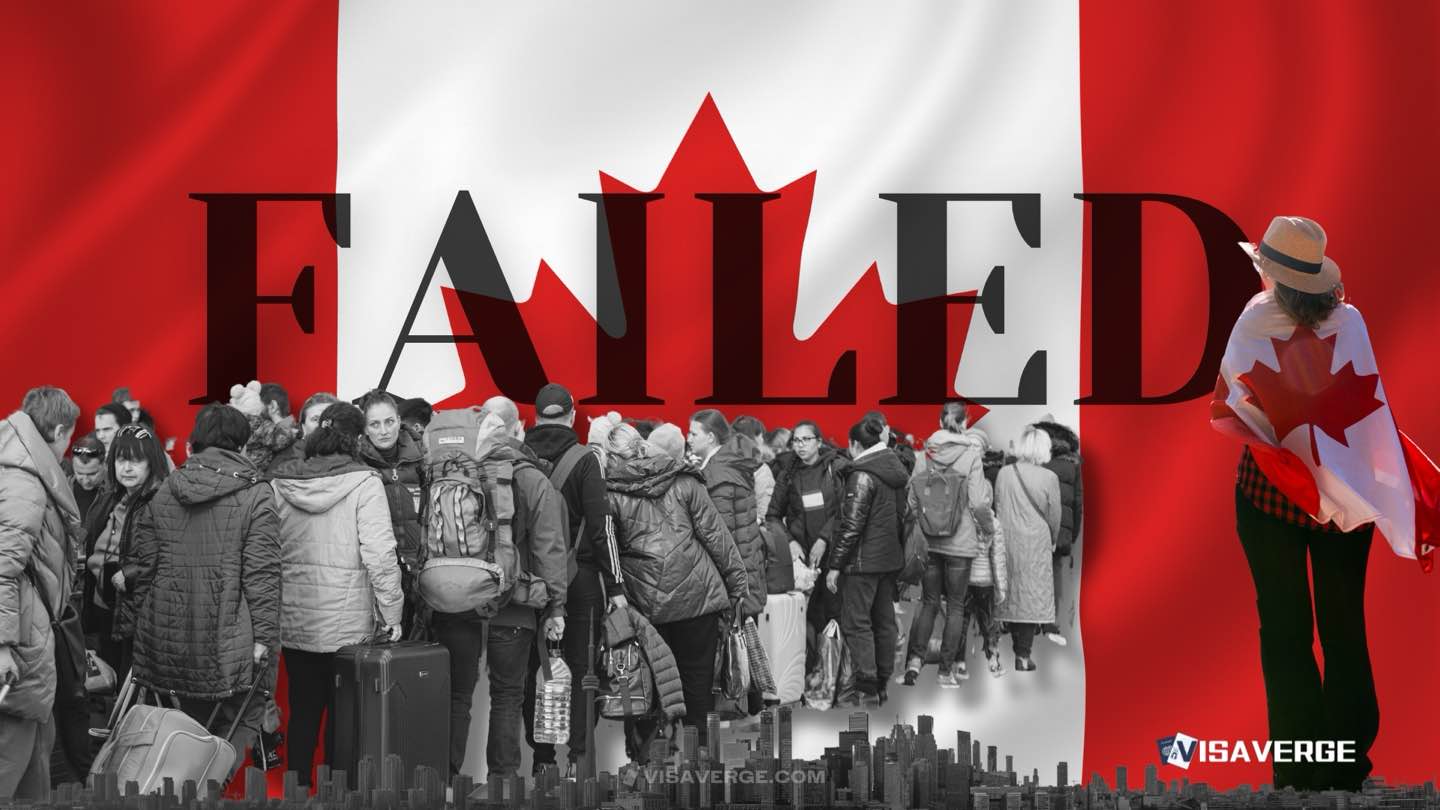
The government intends to lower study permits for international students by 35% this year, with an additional 10% cut planned for 2025. The permits previously numbered 509,390 in 2023 but will decrease to about 437,000 by 2025. This policy also intends to tighten work permit eligibility, particularly for spouses of international students and temporary foreign workers. Officials cite the need to curb “bad actors” who exploit the system as a primary motive. The broader aim is to reduce temporary residents to tackle domestic issues such as housing affordability and strain on public services.
Factors Influencing the Policy Shift
Public Opinion and Political Pressure
Amidst declining popularity for Trudeau’s Liberal government, public opinion shows concern over the rate of newcomer admissions. This unease is influencing political pressure, especially as a federal election looms in 2025. Immigration is a contentious issue, and there is growing sentiment that Canada is absorbing too many newcomers.
Economic and Social Challenges
The surge in temporary residents has contributed to climbing living costs and a housing crisis. These challenges spur political debates and necessitate policy recalibrations to ensure more sustainable immigration levels.
Fraud Prevention
The government’s efforts to bolster visa integrity include stricter checks to uncover fraud and reduce non-genuine entries.
Immediate Impacts and Reactions
International Students and Workers
These changes will likely affect international students’ ability to study in Canada. Furthermore, tightening work permit rules might limit job opportunities for foreign workers and their families, impacting their prospects.
Economic Implications
While reducing temporary residents might ease housing and public service pressures, it could also impact sectors dependent on international talent and labor. This might slow economic growth in certain industries.
Political Reactions
Migrant advocacy groups voice criticism, arguing that reducing numbers without providing pathways to permanent residency or equal rights will not solve exploitation issues.
Broader Context
This development fits within Canada’s broader Immigration Levels Plan for 2024-2026, designed to align economic and humanitarian needs with regional labor market demands. The current reduction in temporary permits reflects an attempt to manage domestic pressures more effectively. Analysis from VisaVerge.com suggests these adjustments highlight ongoing debates on how to integrate newcomers sustainably.
For more details on Canada’s immigration policies, the official Canadian immigration website provides authoritative information.
Conclusion
In conclusion, Canada’s decision to cut international student and work permits underscores a complex mix of political, economic, and social factors. While the country aims to address immediate domestic challenges, it also highlights the continued debate on best integrating newcomers into Canadian society sustainably. Balancing immigration with domestic needs remains a critical challenge for policymakers, particularly in maintaining Canada’s long-standing reputation as a welcoming nation.
Learn Today
Immigration Policy: A government’s approach and regulations concerning the movement of people into a country.
Study Permits: Official documents allowing international students to study at designated learning institutions in a specific country.
Temporary Residents: Individuals living in a country for a limited time due to various visa types, not permanent residents.
Fraud Prevention: Measures taken to identify and eliminate deceitful activities aimed at exploiting immigration systems.
Public Opinion: Collective views and attitudes of the general population regarding societal issues or government policies.
This Article in a Nutshell
Canada’s tightening of international student and work permits marks a significant policy shift aimed at balancing its booming population with resource demands. As housing prices climb and public services strain, Trudeau’s government endeavors to curtail potential system exploitation while addressing domestic challenges, sparking ongoing debates about sustainable newcomer integration.
— By VisaVerge.com
Read more:
• Canada Tightens Study Permits: New Caps and PGWP Changes
• Expiring Work Permits Affect 200,000 International Students in Canada
• Canada Expands Ban on Iranian Officials Entering Country
• Drop in International Student Applications to Canada due to Cap
• Canada Faces Reduction in Temporary Foreign Workers Across Regions








Thanks for your very knowledgeable and informative address to what is going on in Canada. Where do you obtain your factual information?