Key Takeaways
- Punjabi and other Indian students protest in Canada against immigration policy changes affecting Post-Graduate Work Permits.
- Students fear deportation and demand clear paths to permanent residency, impacting around 70,000 international students.
- Canadian government defends policy changes for balancing immigration; protests highlight potential harm to Canada’s image and economy.
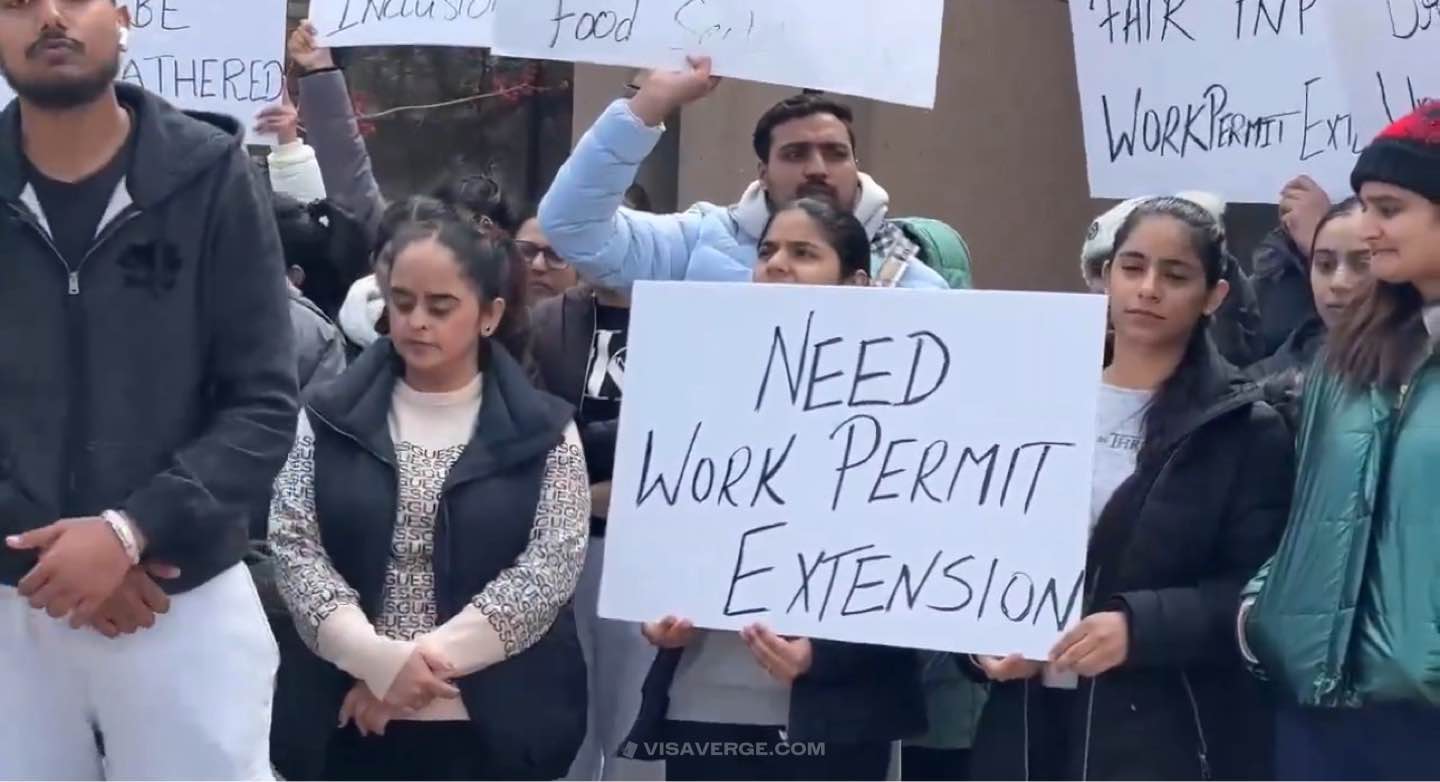
Thousands of Punjabi students in Canada ?? are raising their voices against recent immigration policy changes that could hinder their ability to stay in the country after graduation. These students are part of widespread protests that have brought the issue to the forefront of Canada’s immigration debate. The protests, primarily organized by the Naujawan Support Network, are being held in places like Brampton, Prince Edward Island, and Manitoba.
The Protest Movement

The protests, which began in late August 2024 and are still happening, involve not just Punjabi students but other Indian students as well. The main demand is for an extension of Post-Graduate Work Permits (PGWPs), which allow international students to work in Canada after completing their studies. Without this extension, many students fear deportation, especially those whose permits are set to expire at the end of the year. The students are also asking for clearer ways to eventually become permanent residents in Canada.
Student Concerns
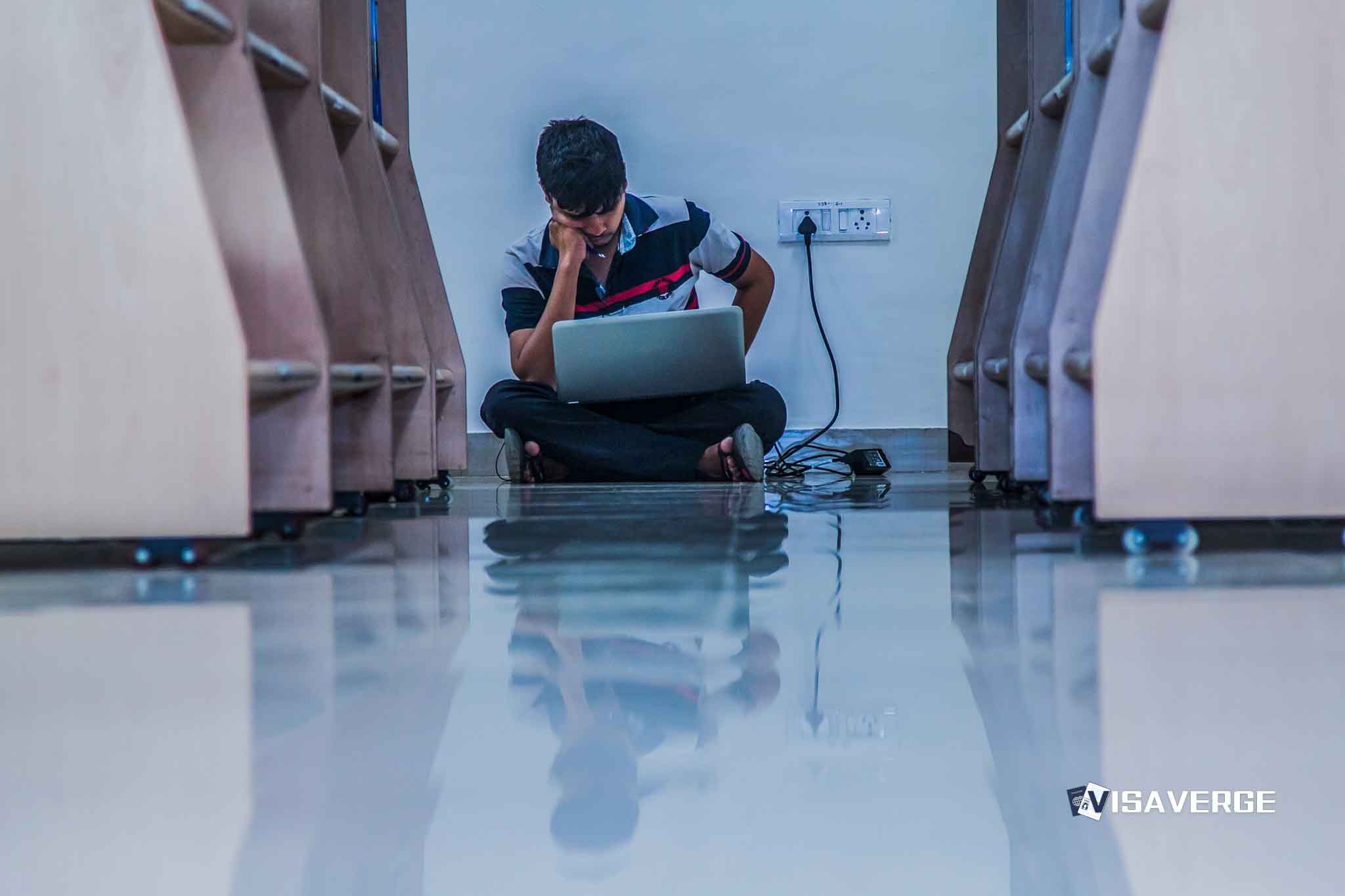
There are around 70,000 international students potentially facing deportation when their PGWPs run out. This is causing great worry among these students, especially as they have already spent a lot of time and money on their education in Canada. This sense of uncertainty is unsettling, given that many had planned to use their educational credentials to build a future in Canada.
Free toolCanada Express Entry Points CalculatorGovernment’s Stance
The Canadian government says these policy changes are necessary to maintain balance in immigration. They aim to manage how many people are temporarily living in Canada, tackling issues like housing shortages and labor market needs. Although the government acknowledges the students’ concerns, it has not shown any intention to reverse these policies.
Wider Policy Context
These protests are happening alongside major shifts in Canada’s broader immigration strategy. Starting in 2025, Canada will reduce international student permits by 10% and tighten rules for foreign workers. Moreover, there has been a 25% cut in permanent residency nominations. These changes complicate the landscape for students wishing to make Canada their permanent home.
Future Scenarios
If student demands go unmet, several challenges could arise:
– Deportations: Without PGWP extensions, deportations could increase, derailing careers and causing financial losses for students.
– Canada’s Image: Canada’s reputation as a welcoming destination for immigrants might suffer, which could deter future international students.
– Economic Impact: A drop in skilled international graduates could hurt industries that benefit from this talent pool.
Public and Expert Opinions
The protests have captured public attention, both in Canada and globally. Social media is buzzing with support for the students, highlighting notions of fairness and justice. However, some voices blame international students for problems like housing shortages.
Experts in immigration affairs warn that these policy changes could have lasting effects on Canada’s education sector. Limiting pathways to permanent residency may discourage future students from choosing Canada as their study destination. Experts stress the need for transparent policies that consider labor market demands while treating international students fairly.
In conclusion, the protests by Punjabi students highlight serious issues in Canada’s immigration policies. It’s essential for everyone involved—students, government, and educational institutions—to have open discussions and find solutions that meet economic needs while being fair to those who enrich Canada’s diverse culture. For more details, you may visit the Government of Canada’s Immigration and Citizenship page for official updates and resources.
The situation calls for a balance that respects the contributions of international students to the Canadian mosaic while addressing local concerns. As reported by VisaVerge.com, these students play a big role in shaping the future workforce and deserve fair treatment as they seek their place in Canada ?.
Learn Today
Post-Graduate Work Permit (PGWP): A Canadian permit allowing international students to work in Canada after graduation, aiding their pathway to permanent residency.
Deportation: The act of expelling a foreigner from a country, often due to failure in meeting legal residency requirements.
Permanent Residency: A visa status that allows someone to live and work indefinitely in a country without being a citizen.
Immigration Policy: Rules and regulations a country implements to control the entry and settlement of non-citizens within its borders.
Pathways to Permanent Residency: Legal routes and processes available for non-citizens aiming to become permanent residents of a country.
This Article in a Nutshell
Punjabi students in Canada are protesting against immigration policy changes threatening their post-graduation stay. They demand extensions for Post-Graduate Work Permits, fearing deportation. The government cites immigration balance and resource concerns, yet risks damaging Canada’s welcoming image and economy. Students seek fair pathways to secure their Canadian future.
— By VisaVerge.com
Read more:
• Visa Hurdles for Mexican Students Re-entering Canada
• Canada Extends Streamlined Medical Exam Process for Immigrants
• Canada’s Immigration Levels Plan 2024-2026: Key Impacts and Challenges
• Canada PGWP Changes 2024: Key Updates and Eligibility
• Muhammad Shahzeb Khan Accused in NYC Terror Plot with Canada Refugee Claim