Key Takeaways:
- Stricter PEI immigration rules, including a 25% permit reduction, impact Indian students striving for long-term residency.
- PEI residents worry immigrants are taking job opportunities, increasing resentment amidst rising Provincial Nominee Program allocations.
- Housing shortages and healthcare strain fuel opposition, with Indian students protesting potential deportation and seeking work permit extensions.
Why Are Residents of Prince Edward Islands Opposing Indian Immigrants?
Canada has long been known for its welcoming stance towards immigrants, but recent changes in the immigration policies of its smallest province, Prince Edward Island (PEI), have sparked controversy. This situation has significantly impacted international students, particularly Indian immigrants, who are now facing potential deportation. Understanding the reasons behind this shift is crucial to comprehending the broader challenges PEI is facing.

What Changes Did PEI Make to Its Immigration Rules?
In response to an influx of immigrants, PEI has implemented stricter immigration policies. These changes aim to reduce the volume of new immigrants and directly affect Indian students. A notable aspect of this policy adjustment is the 25% reduction in immigration permits, which has substantial implications for international students seeking long-term residency.
PEI has decided to focus its Provincial Nominee Programme on sectors such as healthcare, childcare, and construction instead of the service, food, and retail sectors. This reallocation is intended to address the pressing needs in these vital industries.
Free toolCanada Express Entry Points CalculatorWhy Are PEI Residents Concerned About Jobs?
One of the primary grievances among PEI locals is the perception that international immigrants, including Indian immigrants, are occupying job opportunities that would otherwise be available to local residents. This sentiment was echoed by a resident who remarked, “We need to fix the problems here. All the jobs in the Islands are going to people who are not from here. If you do not have a family business, your kids will be high schoolers looking for jobs.”
The worry is exacerbated by data showing a significant increase in the number of Provincial Nominee Program (PNP) slots, from 1,070 in 2018 to 2,050 in 2023. Although this number will be reduced to 1,600 slots in 2024, it remains substantially higher than it was five years ago.
How Is Housing Affecting Views on Immigration in PEI?
Housing is another critical issue contributing to the friction between PEI residents and international immigrants, including Indian students. Despite population increases, housing construction has not kept pace, leading to a shortage of available homes. The rental vacancy rate has barely improved, increasing only from 0.8% to 1.0%.
How Does Healthcare Factor Into the Immigration Debate?
The strain on healthcare services also fuels resentment. PEI currently has the longest wait times for medical care in Canada, with an average of 41.7 weeks to see a specialist after a general practitioner appointment. Many locals attribute the lengthy queues to the high volume of immigrants.
What Are Indian Students Demanding?
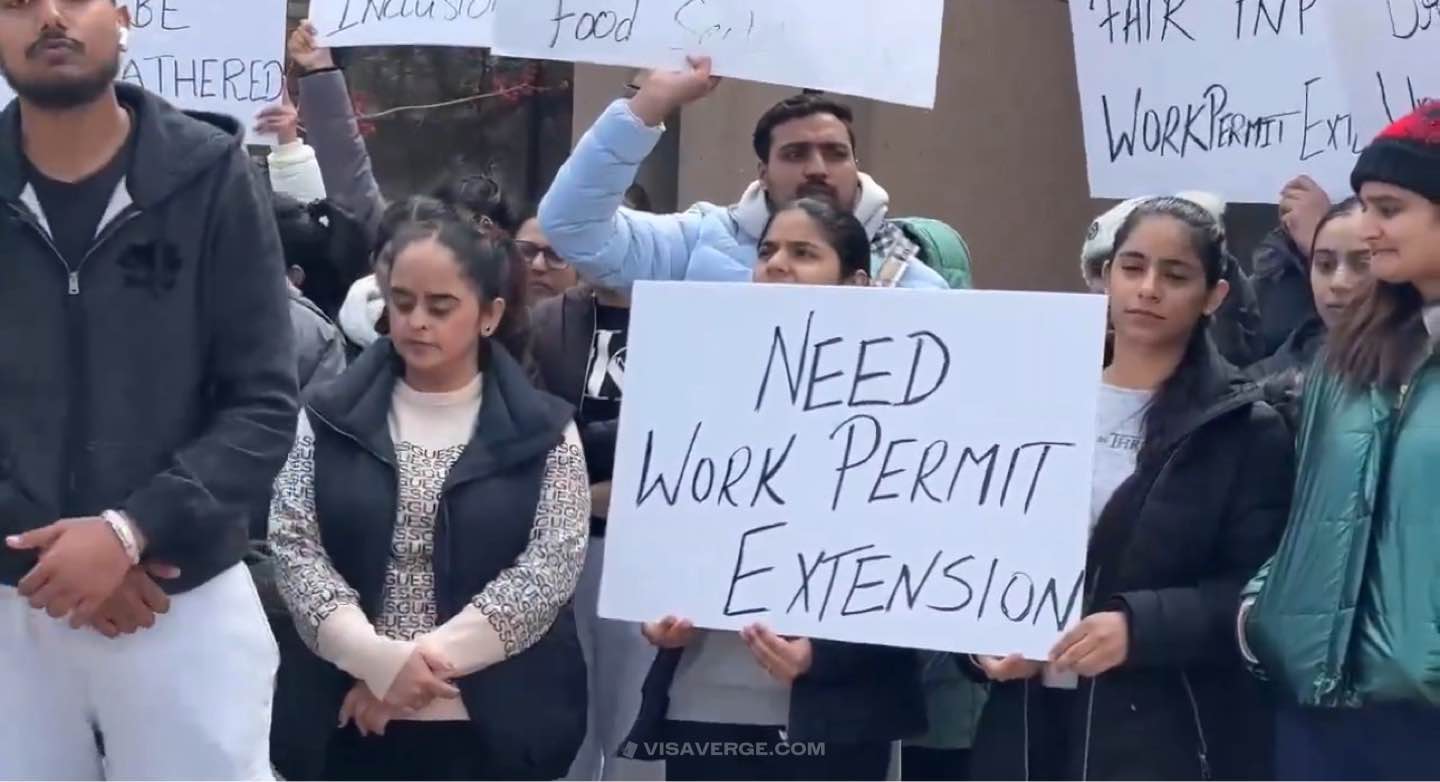
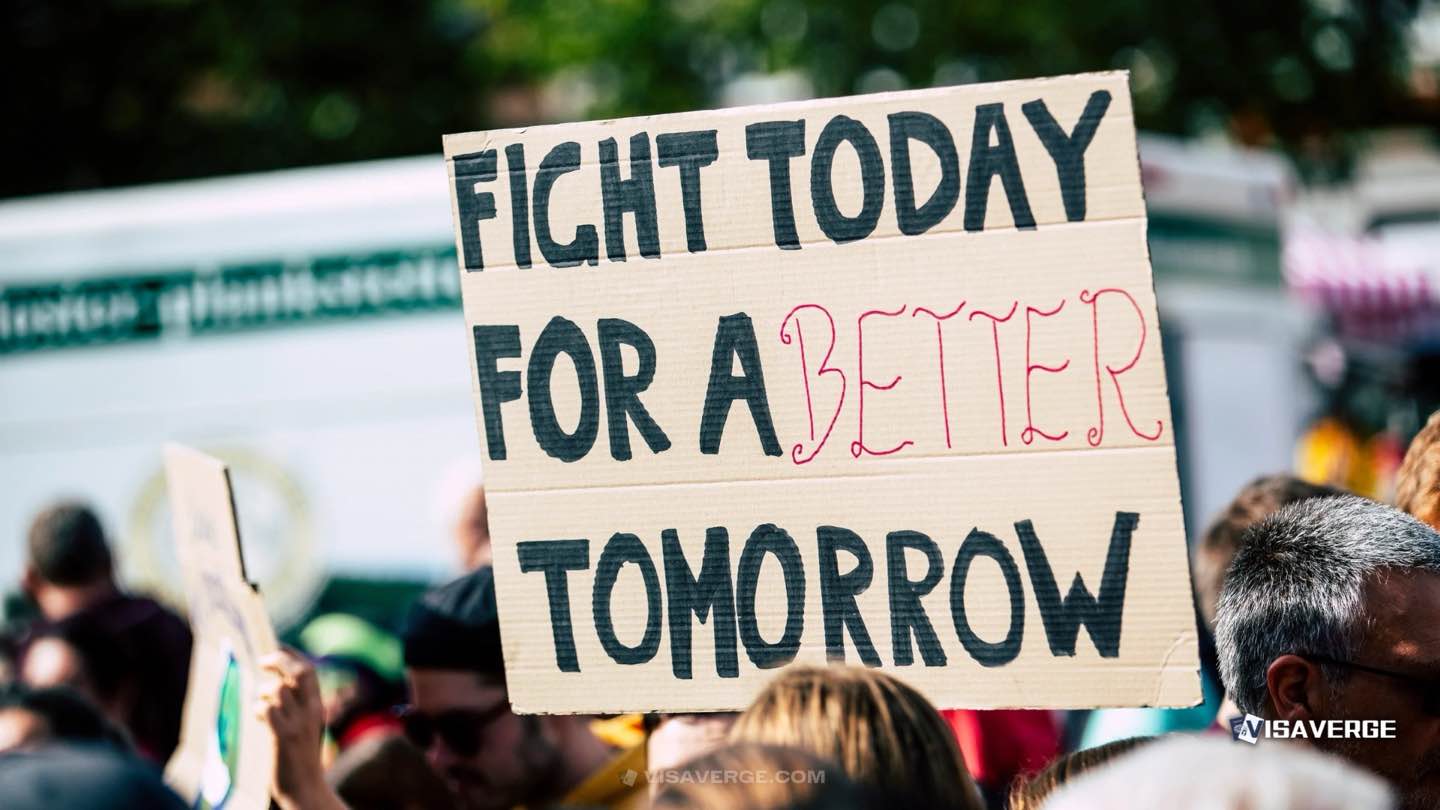
Amidst the policy changes and rising opposition, Indian students in PEI are protesting against their possible deportation and are advocating for an extension of their work permits. They argue that they have contributed significantly to the local economy and deserve the chance to stay in the country.
A local woman expressed a common sentiment: “If we went to their country, we would not get a job. I have three daughters and two of them can’t get a job. Because there are no jobs. We can’t get jobs. They are all full.” This reflects the tension between the local population and the international immigrants.
What Are the Broader Implications for Canadian Deportation Policies?
The situation in PEI is indicative of broader issues in Canadian deportation and immigration policies. While the country has historically been open to immigration, mounting pressures on housing, healthcare, and employment are causing a reevaluation of these policies.
Are There Any Benefits to High Levels of Immigration?
Despite the opposition, some locals recognize the benefits that international immigrants bring, particularly in sectors such as food service and sales. However, the prevailing opinion is that these jobs should be prioritized for the existing residents of PEI.
What’s Next for PEI Immigration and International Students?
The future of Indian immigrants and other international students in PEI remains uncertain. As the province grapples with these issues, the newcomers must navigate not only stricter policies but also the growing resentment from the local population.
For more detailed information on Canadian immigration policies, you can visit the official Canadian immigration website.
This delicate balance between welcoming immigrants and addressing local concerns presents a significant challenge for policymakers. How PEI adjusts its strategies to meet both the needs of its residents and the aspirations of its immigrants will be crucial in shaping the future of the province’s demographic landscape.
Learn Today:
Glossary of Immigration Terms
1. Provincial Nominee Program (PNP):
A Canadian immigration program that allows provinces and territories to nominate individuals who wish to immigrate and who are interested in settling in a particular province. PEI’s PNP has allocated slots for immigrants, which have been adjusted to focus on certain sectors.
2. Immigration Permit:
A document issued by immigration authorities that allows an individual to enter, stay, and work in a country for a specified period. PEI has reduced the number of these permits by 25%, affecting many international students, particularly from India.
3. Work Permit:
Authorization granted by a country allowing foreign nationals to work within its borders. Indian students in PEI are advocating for an extension of their work permits to continue contributing to the local economy.
4. Deportation:
The act of expelling a foreigner from a country, typically for violating immigration laws. The potential deportation of Indian students in PEI has sparked protests and demands for reconsideration of immigration policies.
5. Rental Vacancy Rate:
A metric indicating the percentage of available rental properties within a region. PEI’s rental vacancy rate is low, only increasing from 0.8% to 1.0%, contributing to housing shortages and friction over immigration.
This Article In A Nutshell:
Residents of Prince Edward Island (PEI) oppose Indian immigrants due to perceived job competition and housing shortages. Stricter immigration policies have increased tensions, with locals fearing job loss and strained resources. As PEI aims to balance needs, the future for international students and immigrants remains uncertain.
— By VisaVerge.com
Disclaimer: If you use any information from this article, link back to the original article URL on VisaVerge.com. Thank you for respecting our content and giving proper credit.
Read more
- Tensions Rise Over Khalistan and Nijjar Incident Straining India-Canada Relations
- Citizenship Amendment in Canada: Benefits for the Indian Diaspora
- Indian Students Protest in Canada Over Work Permit Denials
- Indian Students in Canada Face Unsuitable Housing Conditions
- MEA Unaware of Deportation Issues Among Indian Students in Canada