Key Takeaways
- 84% of Americans support photo ID and proof of citizenship for voter registration; support is bipartisan but varies by party.
- 36 states have ID laws, with federal challenges looming; some states oppose voter ID, reflecting ongoing debates.
- Americans largely back early voting and automatic registration, but oppose voter roll purges and drop box limitations.
Recent polling shows that most Americans support photo ID requirements and proof of citizenship when voting. These measures are thought to be important to keep elections honest, especially as we approach major voting events.
Support Across the Board
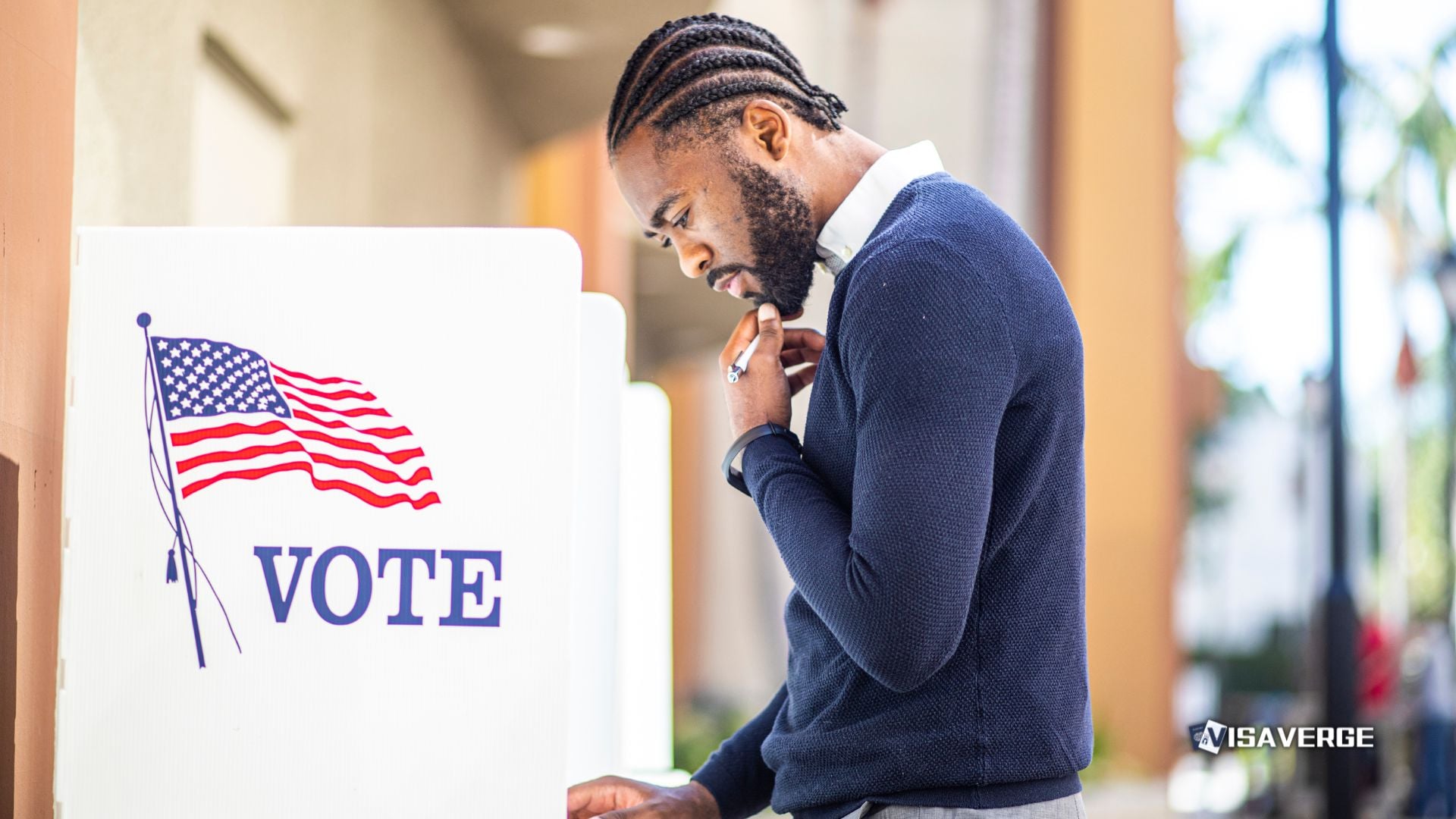
According to an October 2024 Gallup poll, 84% of Americans believe that showing a photo ID should be required to vote. A similar percentage, 83%, think proof of citizenship should be provided when registering for the first time. These figures have been stable over the years, reflecting results from polls like one from July 2022. While support for these measures cuts across political lines, Republicans are more likely to view them as critical to prevent voter fraud. Democrats, while mostly in favor, show less enthusiasm. Independents’ opinions tend to mirror the overall national sentiment.
Legislative Changes
At present, 36 states have laws that either request or require ID at voting polls. However, the specifics of these laws can vary. Some states accept non-photo IDs, while others only accept government-issued photo IDs. In July 2024, the U.S. House of Representatives passed the Safeguard American Voter Eligibility (SAVE) Act. This act aims to ensure only American citizens can vote in federal elections by requiring proof of citizenship. Despite passing the House, mainly due to Republican support, the Senate and President Biden are likely to push back against it.
Different State Approaches
There’s a noticeable divide among states regarding voter ID laws. While some embrace them, others like California recently passed laws preventing local governments from asking voters for ID at the polls. This highlights the ongoing debate about whether ID laws help election integrity or hinder voter access.
Public Preferences on Voting Policies
Americans express strong preferences for certain voting policies:
- Early Voting: Supported by 76% of Americans, it provides more flexibility.
- Automatic Voter Registration: Sixty percent favor having people automatically registered when they interact with state agencies, like the DMV.
- Mail-in Ballots: Similarly, 60% believe applications for absentee ballots should be sent to all eligible voters.
However, many Americans oppose measures they see as limiting voting access:
- Purging Voter Rolls: Sixty-four percent do not agree with removing names from voter lists if someone hasn’t voted in five years.
- Limiting Drop Boxes: Reducing the number of drop boxes for absentee ballots is opposed by 58%.
Differences by Political Party
Republicans usually prioritize election security, hence their strong backing for photo ID requirements and proof of citizenship. They are generally less supportive of measures like automatic registration or expanded mail-in voting. On the other hand, Democrats tend to support changes that make voting easier, such as early voting and automatic registration. Interestingly, recent trends show Democrats increasingly supporting photo ID requirements, suggesting a shift towards agreement on specific election security measures.
Importance of Election Integrity
The broad support for photo ID and proof of citizenship requirements highlights a shared interest among Americans to secure fair elections. Even though there are differing views about other voting policies, there’s agreement on these two issues, underscoring their necessity for trust in the electoral process.
Looking Ahead
As debates continue over voting laws at both state and national levels, understanding what the public wants is vital for policymakers. The challenge is to find a balance between making voting easy and keeping elections secure. The ongoing discussions show that electoral reforms are ever-changing, requiring ongoing conversations to tackle various concerns.
For readers interested in more detailed information about voting requirements and policies in the U.S., visiting the U.S. Election Assistance Commission can provide authoritative resources. Analysis from VisaVerge.com suggests that the conversation around voting laws will only become more important as we look toward future elections. Expect continued discussions and potential legal changes aimed at balancing ease of access with maintaining the trustworthiness of our electoral system.
This support for photo ID requirements and proof of citizenship is not just about preventing voting fraud; it’s also about showing that the system is trustworthy. Election integrity matters to Americans, and that’s seen in broad public agreement on these measures. While opinions may vary on other voting policies, when it comes to these core issues, many agree it’s vital.
Understanding these dynamics helps explain why election laws remain a hot topic. It’s clear there’s a strong public interest in keeping elections both secure and fair. As states and the federal government consider adjustments, knowing what people think is crucial. Changes in voting laws carry significant implications, not only for voters but for the democratic process as a whole.
Learn Today
Photo ID requirement: A rule mandating voters to present identification with their photograph to verify their identity at polling stations.
Proof of citizenship: Documentation that confirms a person’s status as a legal citizen, often required to register for voting rights.
Voter ID laws: Legal statutes that require individuals to present certain forms of identification before voting to ensure election security.
Automatic voter registration: A system where eligible citizens are registered to vote automatically through interactions with state agencies, like the DMV.
Purging voter rolls: The process of removing inactive or ineligible voters from registration lists, often contentious due to concerns about accessibility.
This Article in a Nutshell
Most Americans agree: photo ID and proof of citizenship should accompany voting, ensuring election integrity. Support spans political lines, with heightened Republican endorsement. This consensus reflects a collective desire for fair elections, emphasizing security. As voting laws evolve, balancing accessibility with trust remains pivotal for future democratic processes.
— By VisaVerge.com
Read more:
• Democrats Challenge Citizenship Voting Requirement for Voting Rights
• How NRIs Can Vote in 2024 Lok Sabha Elections: Your Guide to NRI Voting Rights
• Maintaining US Voting Rights Abroad: How US Expats Can Vote in the UK
• Brexit and EU Citizen Voting Rights: How Does It Affect Local Elections in the UK?
• Brexit’s Impact on UK Expat Voting Rights in EU Elections