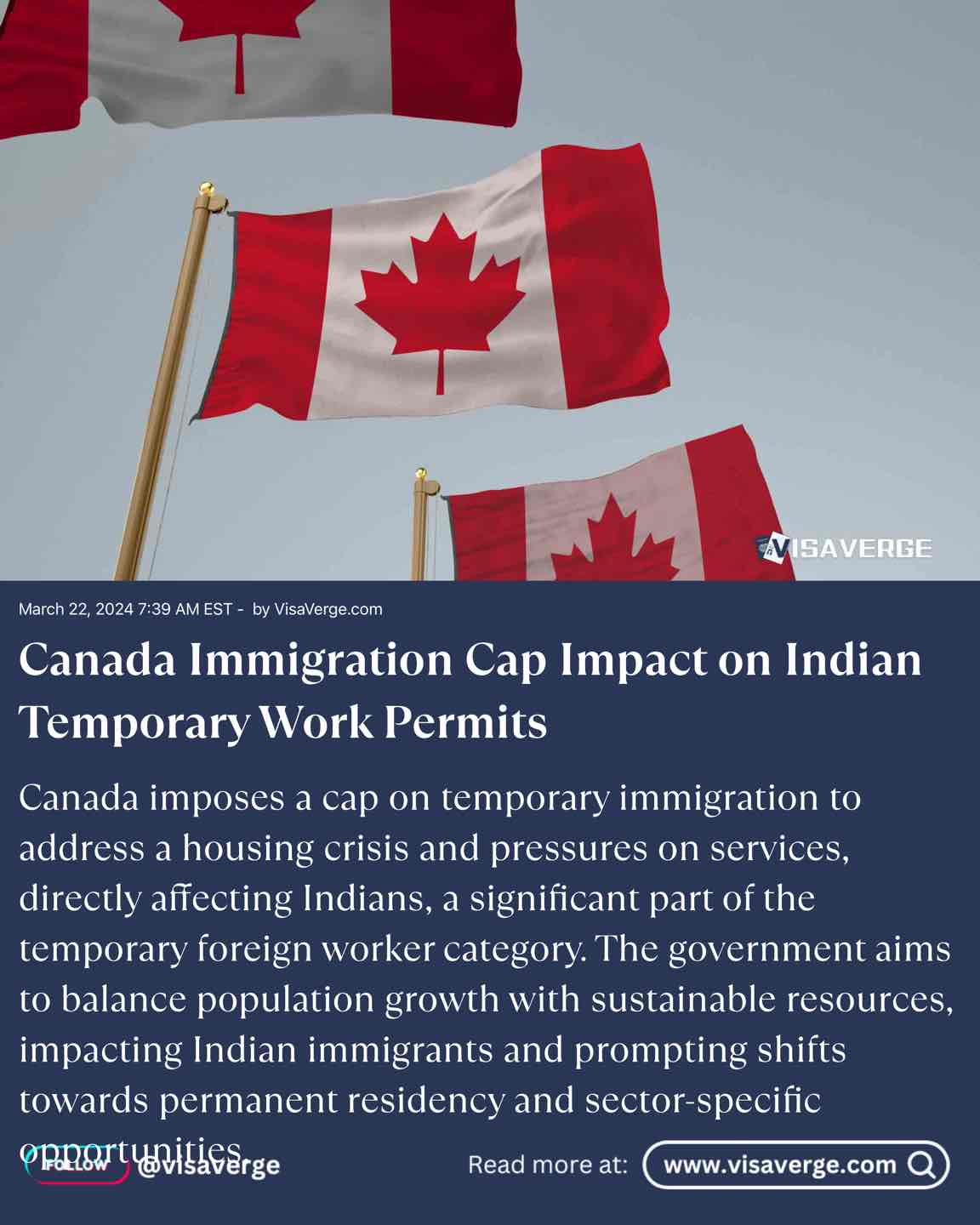
Canada’s recent announcement regarding a cap on temporary immigration has stirred conversations and concerns alike, especially among the Indian community, which has been significantly impacted by the decision. Canada, known for its welcoming immigration policies and multicultural society, has for the first time in its history, decided to restrict the number of temporary work permits issued, with a specific focus on temporary foreign workers. This move, as explained by Immigration Minister Marc Miller, aims to address the country’s growing housing shortage and pressures on essential services. But what does this mean for Indians seeking to live or work in Canada? Let’s delve into the details.
Understanding the Cap on Temporary Immigration

The announcement made by Minister Marc Miller on reducing the number of temporary residents from 6.2% to 5% has sent ripples through the prospective immigrant community. Scheduled to convene with provincial and territorial counterparts in May to finalize the plan, the Canadian government is taking steps to ensure the influx of temporary residents remains at a sustainable level. Beginning May 1, restrictions on temporary foreign worker visas will be put into action as part of this initiative.
Free toolCanada Express Entry Points CalculatorWhy is Canada Imposing These Restrictions?
The primary reason behind this significant policy shift is the accelerated population growth fueled by immigration, leading to a housing crisis and stretched thin essential services. With over 2.5 million people, constituting more than 6.2% of the national population, living in Canada temporarily, the country is grappling with providing sufficient housing and amenities to newcomers. This move is seen as a necessary step to mitigate these challenges and is expected to streamline the transition of temporary residents into permanent ones.
The Impact on Indian Immigrants
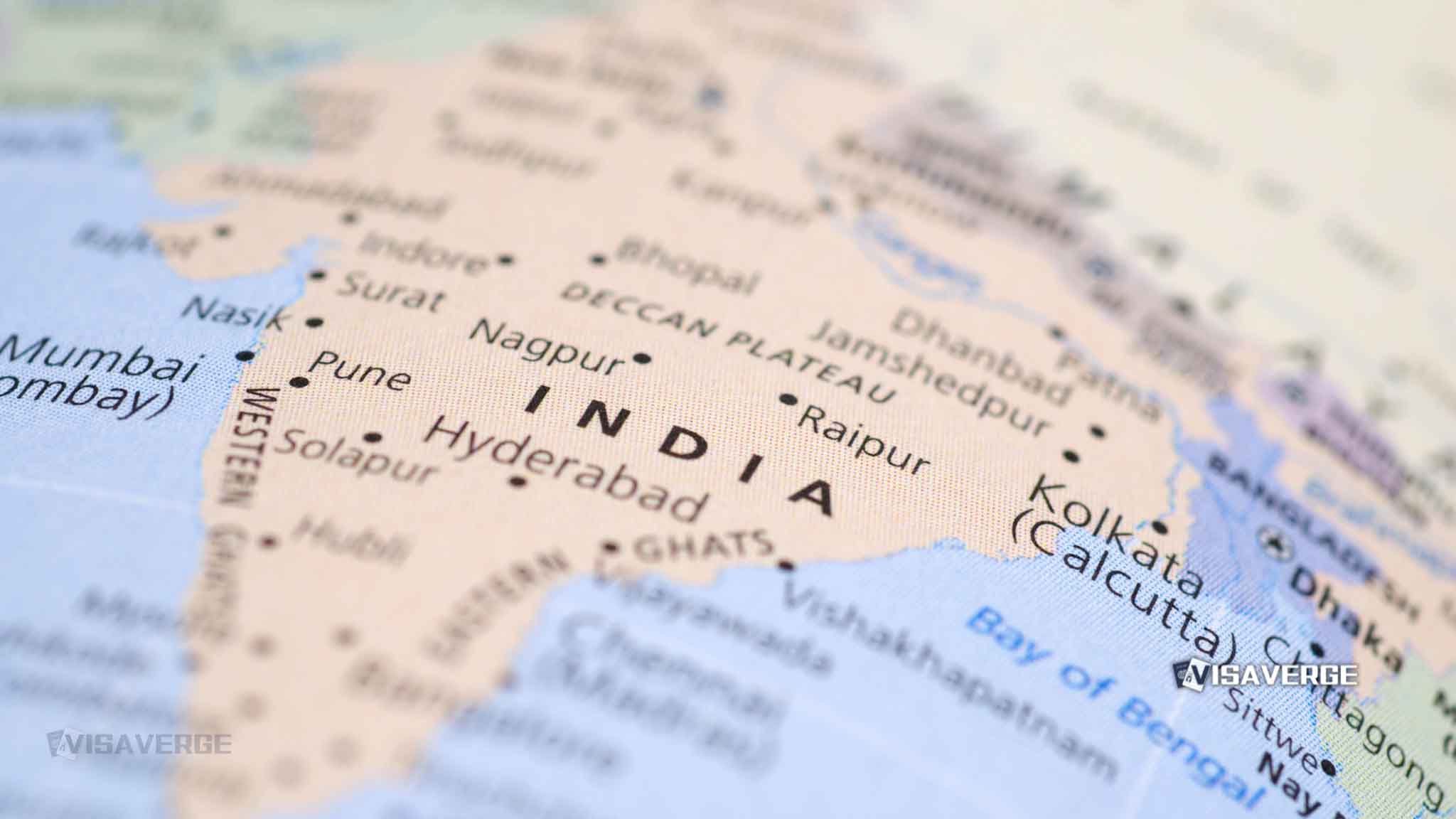
The decision poses a particular challenge for Indians, who have been among the top contributors to Canada’s temporary foreign worker (TFW) category. With 26,495 Indians contributing to this segment in 2023 alone, the new measures are poised to affect those planning to work or settle in Canada severely.
Moreover, the Indian community has witnessed substantial growth in Canada, with numbers increasing from 670,000 in 2000 to over one million by 2020. This population growth underscores the importance of this demographic to Canadian society and economy, making the recent restrictions all the more impactful.
How Will This Affect Temporary Work Permits?
Employment Minister Randy Boissonnault announced that the government would lower the cap on the number of temporary foreign workers businesses can hire from 30% to 20%, with exceptions for certain sectors like agriculture. This move requires companies to rigorously attempt to fill positions with Canadian citizens or refugees before turning to foreign labor, emphasizing the 1.2 million job seekers in Canada juxtaposed against 650,000 available positions.
Navigating the New Landscape
For Indians looking to navigate this changed immigration landscape, here are some steps and considerations:
- Exploring Permanent Residency: With the government aiming to facilitate the transition from temporary to permanent residency, exploring pathways for permanent immigration could be a beneficial long-term strategy.
- Seeking Industries Exempt from Restrictions: Targeting sectors like agriculture, which are exempt from the new caps, may offer alternative opportunities for temporary work.
- Leveraging Current Status: For those already in Canada on temporary status, it may be prudent to explore options for extending their stay or adjusting their status in light of the new policies.
Addressing Concerns and Criticism
Advocates and critics alike have voiced concerns over the cap, suggesting that it could exacerbate workforce shortages in critical industries and unfairly scapegoat temporary migrants for broader societal issues like the housing crisis. Yet, the Canadian government maintains that such changes are necessary for the sustainability of its immigration system and the well-being of its economy.
Seeking Further Information
For those seeking more details on how to navigate Canada’s immigration system amidst these changes, the Official Canadian Immigration Website provides comprehensive resources and updates related to immigration policies and procedures.
Conclusion
Canada’s decision to cap temporary immigration and impose tighter restrictions on temporary work permits marks a significant shift in the country’s approach to immigration. While aimed at addressing pressing domestic challenges, the move has profound implications for the Indian community, which has been a vibrant part of Canada’s multicultural mosaic. As the situation evolves, it will be crucial for prospective immigrants to stay informed and consider alternative pathways to living and working in Canada.
This Article In A Nutshell:
Canada’s new cap on temporary immigration has sparked debates. Indian immigrants, significantly impacted, face tighter work permit regulations. The shift aims to tackle housing shortages and service strains. Decision-makers stress a sustainable influx of residents. For Indians, exploring permanent residency and exempt sectors could provide avenues amidst the changes. Stay updated through official Canadian immigration resources.
Read More:
- Canada Announces Major Policy Change: 1-Year Masters Graduates from India Now Eligible for 3-Year Work Permit
-
Impact of Bilateral Strain on India-Canada Immigration: Insights from IRCC Report
-
Why Indian Students are Rethinking Studying in Canada: A Look at Housing and Diplomacy Issues
-
A 42% Drop in Indian Student Permits: Unraveling the Canada-India Educational Relationship