Key Takeaways:
- Indian students in Canada started a hunger strike due to bureaucratic delays affecting their immigration status and future prospects.
- They communicated via social media and drew public support, compelling Canadian immigration officials to address their concerns.
- The strike’s outcome promised expedited application reviews and underscored the need for better communication and support systems for international students.
Why Did Indian Students in Canada Start a Hunger Strike?
In recent times, a group of Indian students in Canada made headlines by starting a hunger strike. Their action was a desperate call for attention and help regarding their immigration status. These students felt cornered by the bureaucratic delays and challenges they were facing, which jeopardized their future in Canada.

What Led to the Hunger Strike?
The primary trigger for the hunger strike was the students’ prolonged uncertainty about their immigration status. Many students reported delays in processing their applications, leading to severe stress and anxiety. They were in a tough spot—unable to make future plans and fearing deportation and an uncertain academic future.
One Indian student shared, “We have done everything right, followed all the rules, yet we are treated like we don’t belong here. It’s not just about our status but our dignity and future.”
Free toolCanada Express Entry Points CalculatorHow Did Students Organize the Hunger Strike?
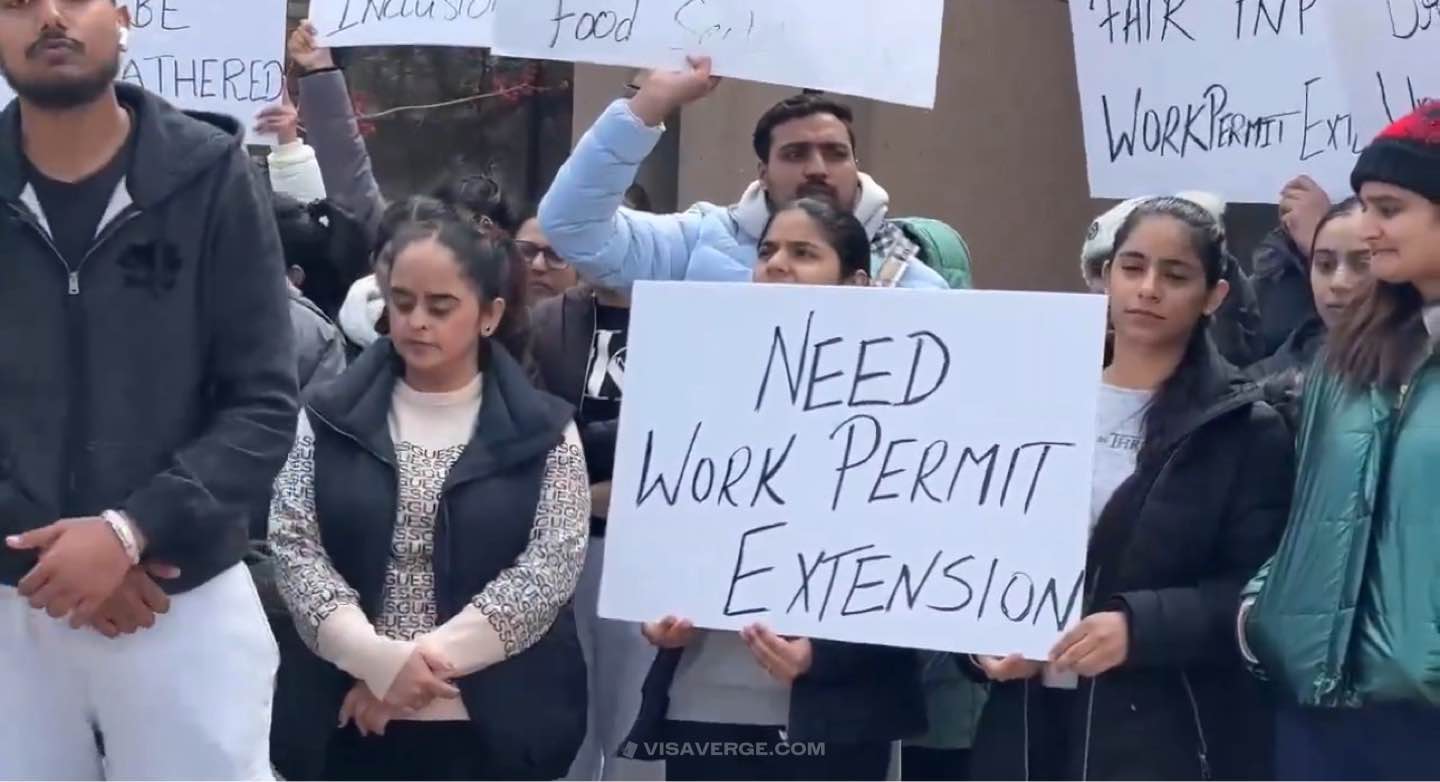
The students initiated their protest at a prominent location in Canada, drawing the attention of both local communities and media. They used social media platforms, like Twitter and Facebook, to gather support and raise awareness about their plight. Committed to their cause, they slowly built momentum, calling out to fellow students, human rights organizations, and immigration advocates to join and support their cause.
What Was the Response from Canadian Authorities?
The hunger strike did not go unnoticed. Canadian immigration officials took note of the growing unrest among the students. After several days of persistent hunger striking and increasing external pressure, representatives from the immigration office finally agreed to meet with the students. This meeting was a critical step—the students took an active role in voicing their concerns directly to the officials.
Public concerns began to mount as well. Many Canadian citizens and other international students empathized with the Indian students’ situation and even rallied for their cause. This sense of solidarity put additional pressure on the authorities to act swiftly.
What Happened During the Meeting with Immigration Officials?
The students presented their cases clearly and concisely during the meeting, emphasizing their legal compliance and desire to complete their education in Canada. They also highlighted the mental and emotional toll the uncertainty had taken on them. The immigration officials listened carefully, acknowledging the issues presented and promising a quicker review process for the pending cases.
One key outcome of the discussions was a commitment from the immigration office to expedite the processing of applications and provide clearer communication regarding timelines and status updates.
Canada’s official immigration website offers detailed guidelines and resources, which could potentially avert such situations by providing transparent and efficient support to international students.
What Was the Result of the Hunger Strike?
Following the meeting with the immigration officials, the students decided to halt their hunger strike. There was a collective sense of relief and cautious optimism. The commitment from the immigration office to address their concerns was a significant achievement, reflecting the power of unity and peaceful protest.
“We hope this meeting will lead to a change, not just for us but for all future students coming to Canada. We came here to learn and grow, but without clear support, it’s a tough journey,” stated another student involved in the hunger strike.
Lessons Learned from the Hunger Strike
This incident sheds light on several critical aspects of immigration and international education:
- Importance of timely communication: Authorities need to ensure regular and transparent communication with applicants to avoid misunderstandings and unnecessary anxiety.
- Support systems for international students: Institutions and immigration authorities should work hand-in-hand to provide robust support systems that help students navigate the complex immigration landscape.
- Collective action and advocacy: The students’ ability to organize and voice their concerns effectively highlights the power of unity and peaceful protest in enacting change.
What Can Future Indian Students in Canada Learn From This?
Future Indian students planning to study in Canada can take away several important lessons from this incident. Firstly, always keep yourself updated on the latest immigration policies and timelines. Secondly, actively engage with student bodies or organizations that can offer support and guidance. Lastly, do not hesitate to voice concerns through appropriate and peaceful channels if you face undue delays or challenges.
Moreover, using resources like Canada’s official immigration website will provide authoritative and current information critical for managing your immigration journey effectively.
Preparing for a Smooth Student Journey in Canada
For a smoother journey, consider these steps:
1. Stay Informed: Regularly check official resources for any changes in immigration policies.
2. Documentation: Keep all your documents updated and organized to avoid last-minute scrambles.
3. Support Networks: Join student organizations and participate in forums for additional support.
4. Legal Advice: If faced with uncertainty, consider consulting an immigration lawyer to explore your options.
Conclusion
While the hunger strike by Indian students in Canada brought immediate attention to their plight, it also underscored the need for better systems and communication channels. Clear, timely updates and robust support mechanisms can significantly improve the experience for international students. By learning from this incident, future students can better prepare themselves for their educational journey in Canada, ensuring a fruitful and less stressful experience.
Learn Today:
Glossary of Immigration Terms
- Hunger Strike: A form of protest where individuals refuse to eat until their grievances are addressed. In this context, Indian students in Canada used a hunger strike to draw attention to delays in their immigration status processing.
-
Immigration Status: The legal condition that determines a person’s rights and responsibilities in a foreign country. For the students, delays in the processing of their immigration status created uncertainty about their ability to stay and study in Canada.
-
Bureaucratic Delays: The prolonged and often slow process of administrative procedures and paperwork. The students were frustrated by these delays, which impacted their immigration applications and future plans.
-
Expedited Processing: A quicker than usual review and approval of immigration applications. Following the hunger strike, Canadian immigration officials promised to expedite the processing of the students’ pending cases.
-
Support Systems: Resources and networks designed to assist individuals in navigating complex processes. For international students, robust support systems can help manage the challenges associated with immigration and academic life in a foreign country.
This Article In A Nutshell:
Indian students in Canada started a hunger strike to protest significant delays and uncertainties in immigration processing. These delays disrupted their academic and future career plans, leading to intense stress. Their peaceful protest aimed to force authorities to expedite and streamline the immigration review process for international students.
— By VisaVerge.com
Disclaimer: If you use any information from this article, link back to the original article URL on VisaVerge.com. Thank you for respecting our content and giving proper credit.
Read more
- Understanding the P.E.I. Hunger Strike: Foreign Workers Protest Immigration Policies
- Frustration Grows Among Immigration Protesters Over P.E.I. Government Silence
- P.E.I. Residents Protest Changes to Residency Rules
- Vermont Advocates for Education Equity for Immigrants
- P.E.I. Hunger Strike by Foreign Workers Reaches Fifth Day Amid Increasing Tensions