Key Takeaways:
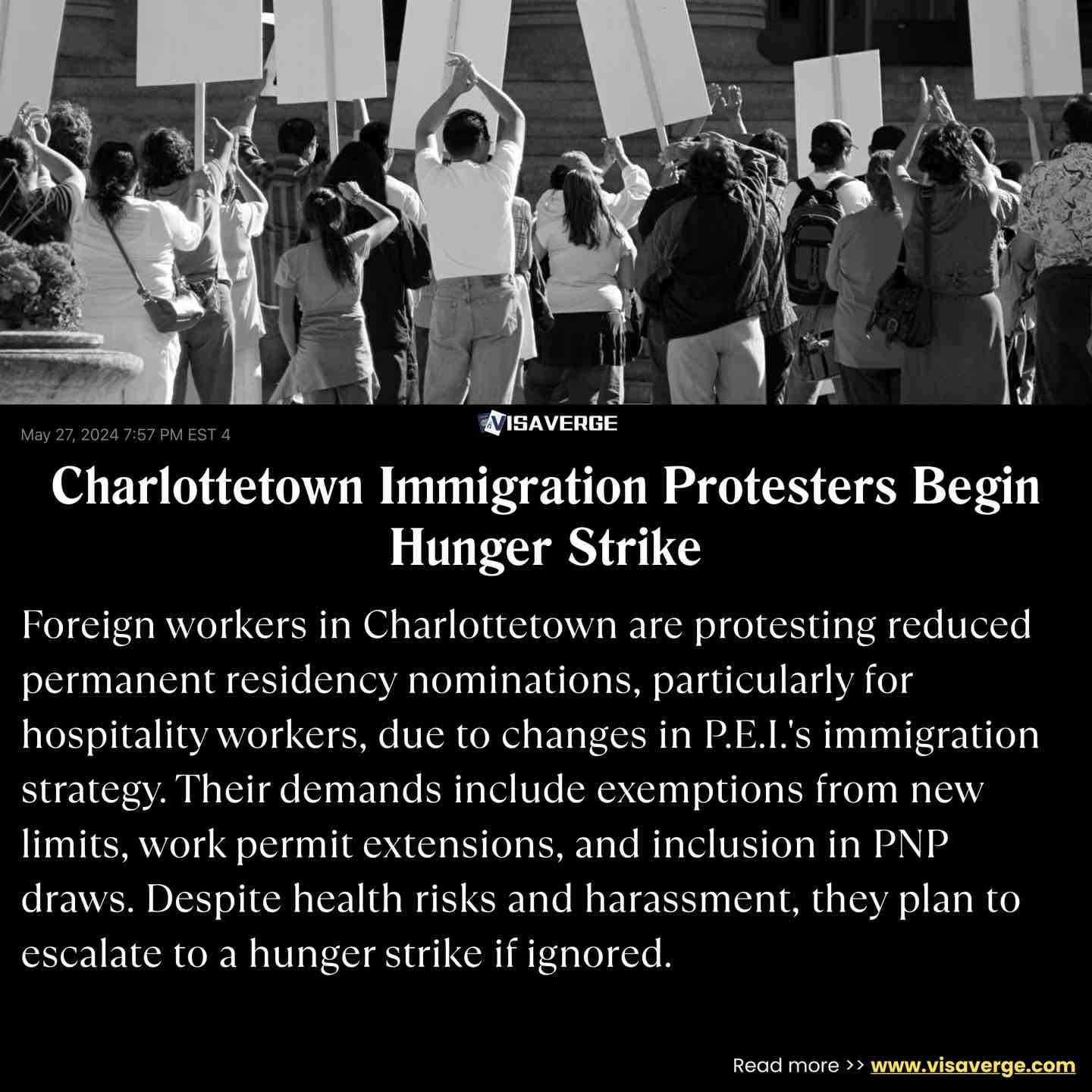
- Foreign workers in Charlottetown protest against reduced nominations for permanent residency, especially impacting hospitality sector workers.
-
Protesters demand exemption from changes, inclusion in PNP draws, and extended work permits to adapt to new rules.
-
Health concerns are secondary; protesters, facing harassment, continue with support from political figures and increased police presence.

What’s Happening with the Immigration Protest in Charlottetown?
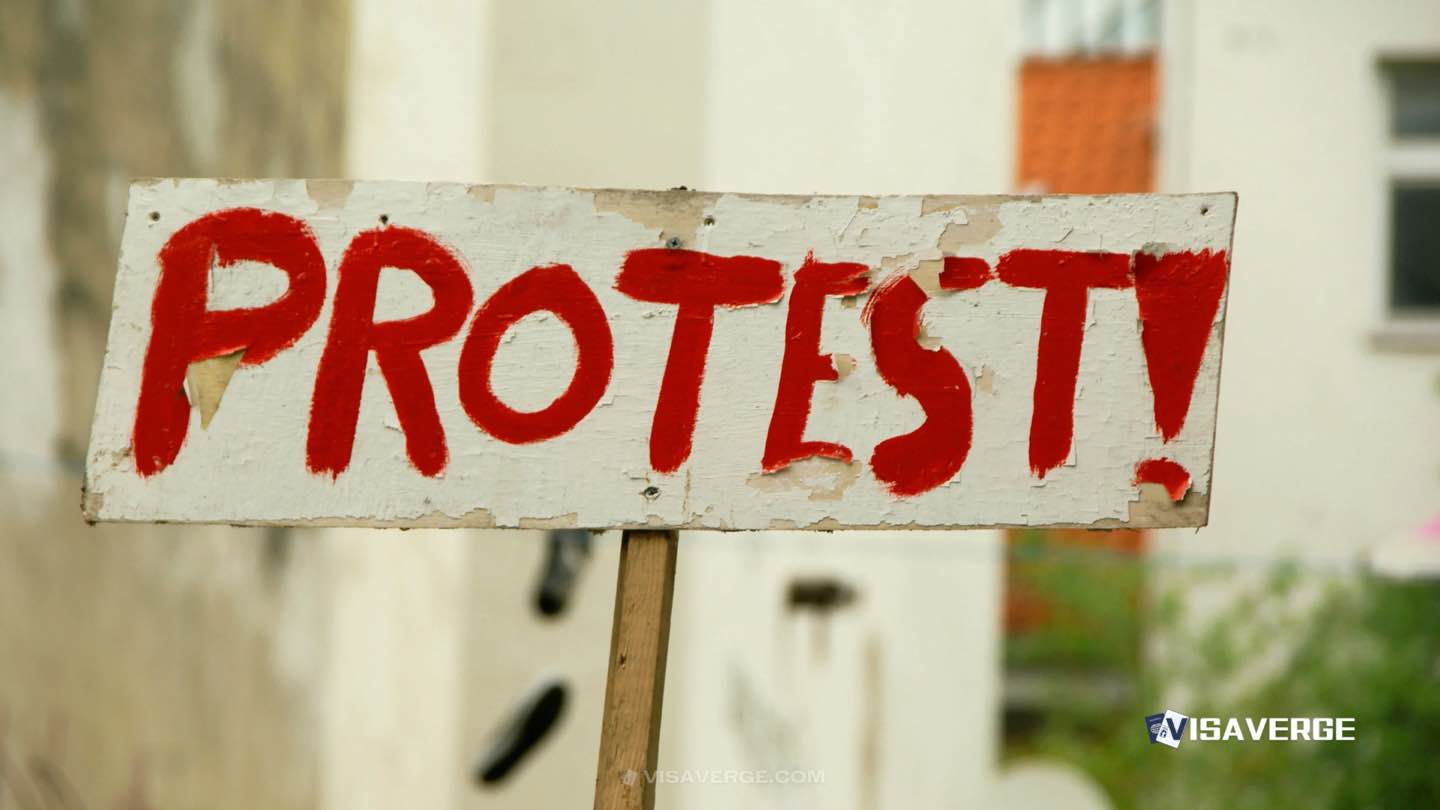
Immigration issues have recently sparked significant action in Charlottetown, where dozens of foreign workers are protesting changes to P.E.I.’s immigration strategy. This protest is gaining momentum and attention, entering its fourth day with increasing urgency.
Why Are Foreign Workers in Charlottetown Protesting?
The core issue revolves around the provincial government’s decision to reduce the number of workers it nominates for permanent residency. This year’s numbers have dwindled from about 2,100 to approximately 1,600 nominations, with a marked drop in hospitality worker nominations—falling from over 800 last year to just 200 this year.
Protesters, including spokespeople such as Jaspreet Singh Sivia, argue that the government has shifted the goal posts for individuals already in the process of earning permanent residency. Sivia emphasizes the urgency of the situation, stating:
“There have been no actions taken. It looks like the government has become deaf.”
What Are the Protesters’ Demands?
The protesting foreign workers have several key demands:
1. Exemption from Changes: Workers who arrived before July 2023 should be exempt from the new nomination reductions.
2. Inclusion of Service Workers: Service sector workers need to be included in the Provincial Nominee Program (PNP) draws.
3. Extension of Work Permits: Work permits should be extended for individuals already in the province, giving them time to adapt to the changes.
Sivia warns that if changes are not made, the protest will escalate to a dry hunger strike—a method posing serious health risks as it involves abstaining from both food and liquids.
Are Health Concerns Stopping the Protesters?
Despite health concerns, Sivia and the other protesters are determined to fight for what they believe is fair treatment. The commitment is clear, as they have been holding continuous protests since May 9, with participation peaking to around 60 people.
“We will be doing a 24-hour dry hunger strike effective Tuesday if we still don’t hear from the government officials. We will be there 24/7, every day.”
How Are Housing and Healthcare Pressures Affecting Immigration Policies?
The changes announced in February stem from a broader context of moderating P.E.I.’s population growth, which has surged in recent years. The province attributes these measures to mitigating an ongoing housing crisis, first noted in 2019, and reducing the strain on the healthcare system.
Which Occupations Will Immigration Preference Now Focus On?
The provincial government plans to give precedence to PNP applicants from sectors facing shortages, such as health care and construction. These roles are intended to address critical gaps within the province’s workforce.
What is the Role of the Provincial Nominee Program?
While the PNP is a provincial initiative, immigration remains a federal jurisdiction. The program, however, provides substantial support to applicants, often guaranteeing the approval of their permanent residency applications.
What Challenges Are Protesters Facing?
Protester Rupinder Pal Singh reports that these changes have forced approximately 50 individuals to leave Canada. Additionally, protesters have faced hostility in the form of harassment from some local residents—ranging from verbal abuse to physical actions such as the throwing of objects.
“There are some people who have been harassing us … throwing glasses, cans on us, throwing water while people were asleep,” said Singh.
Charlottetown police, however, maintain regular surveillance to ensure the safety of the protesters, as confirmed by Deputy Chief Sean Coombs.
What Support Are Protesters Receiving?
The protesters have received backing from various political figures. Liberal MLA Gord McNeilly and Green MLA Peter Bevan-Baker have both publicly condemned the government’s unexpected rule changes. McNeilly describes the situation as very unfair, arguing that the rules should not have been adjusted so abruptly.
Bevan-Baker also voiced strong disapproval:
“I’m ashamed that the province who welcomed these folks here had a set of rules — legitimate, perfectly reasonable rules — laid out to which all of these people complied fully. Then without any warning, [government] changed those rules to the point now where those whose work permits are expiring, their choices are very limited.”
How Has the Federal Government Responded?
Senator Ratna Omidvar has shown concern about P.E.I.’s direction. She chairs the Senate’s standing committee on social affairs, science, and technology, which recently recommended curtailing the temporary foreign worker program in favor of expanding the PNP. The report states that expanding the PNP would create more pathways for workers to secure permanent residency.
What Can Be Done to Address These Immigration Concerns?
To remain updated on the PNP and immigration procedures, visiting official resources like Canada’s Immigration and Citizenship website is invaluable for anyone navigating these waters. These resources offer authoritative information and can help clarify processes and changes as they arise.
The debate around immigration policies continues to evolve. Keeping informed about changes, understanding the reasoning behind them, and recognizing their impacts can help us foster a more inclusive and fair environment for everyone involved.
Learn Today:
Immigration Glossary
- Permanent Residency (PR): A status that allows a person to live and work in Canada indefinitely, as opposed to a temporary permit which has an expiration date. Individuals with permanent residency have many of the same rights and responsibilities as Canadian citizens but cannot vote or run for political office.
-
Provincial Nominee Program (PNP): A program that allows Canadian provinces and territories to nominate individuals who wish to immigrate to Canada and are interested in settling in a particular province. Each province has its own criteria and categories for nomination, aiming to address local labor market needs.
-
Work Permit: A document issued by the Canadian government that allows a foreign worker to take up employment in Canada for a specific period of time. Work permits are often tied to a specific job or employer.
-
Dry Hunger Strike: An extreme form of protest where individuals abstain from both food and liquids to pressurize authorities into meeting their demands. This method poses severe health risks and is usually adopted when other forms of protest have not been effective.
-
Immigration Strategy: A government policy or approach designed to manage the intake of immigrants, including criteria for eligibility, the number of immigrants accepted, and how they are integrated into society. In the context of P.E.I., this includes decisions related to reducing the number of permanent residency nominations.
This Article In A Nutshell:
Foreign workers in Charlottetown are protesting P.E.I.’s reduced permanent residency nominations. The shift from 2,100 to 1,600 nominations, especially in hospitality, sparks concern. Protesters demand exemptions and extended work permits, warning of escalating to a hunger strike if the government remains unresponsive.
— By VisaVerge.com
Disclaimer: If you use any information from this article, link back to the original article URL on VisaVerge.com. Thank you for respecting our content and giving proper credit.
Read More
- Canada Deporting Indian-Origin Driver in Fatal Crash That Killed 16
- Canada Immigration Trend Shows Decline
- Canada Announces Haiti Crisis Aid Measures
- Canada PM to Review Citizenship Path for Undocumented Migrants
- Canada Citizenship Amendment Benefits Indian Diaspora