- Spain’s new ETIAS adds a layer to existing passport checks for visa-exempt visitors.
- Passports must be issued within ten years and valid for three months after departure.
- The ETIAS system is scheduled for late 2026 and covers short stays under 90 days.
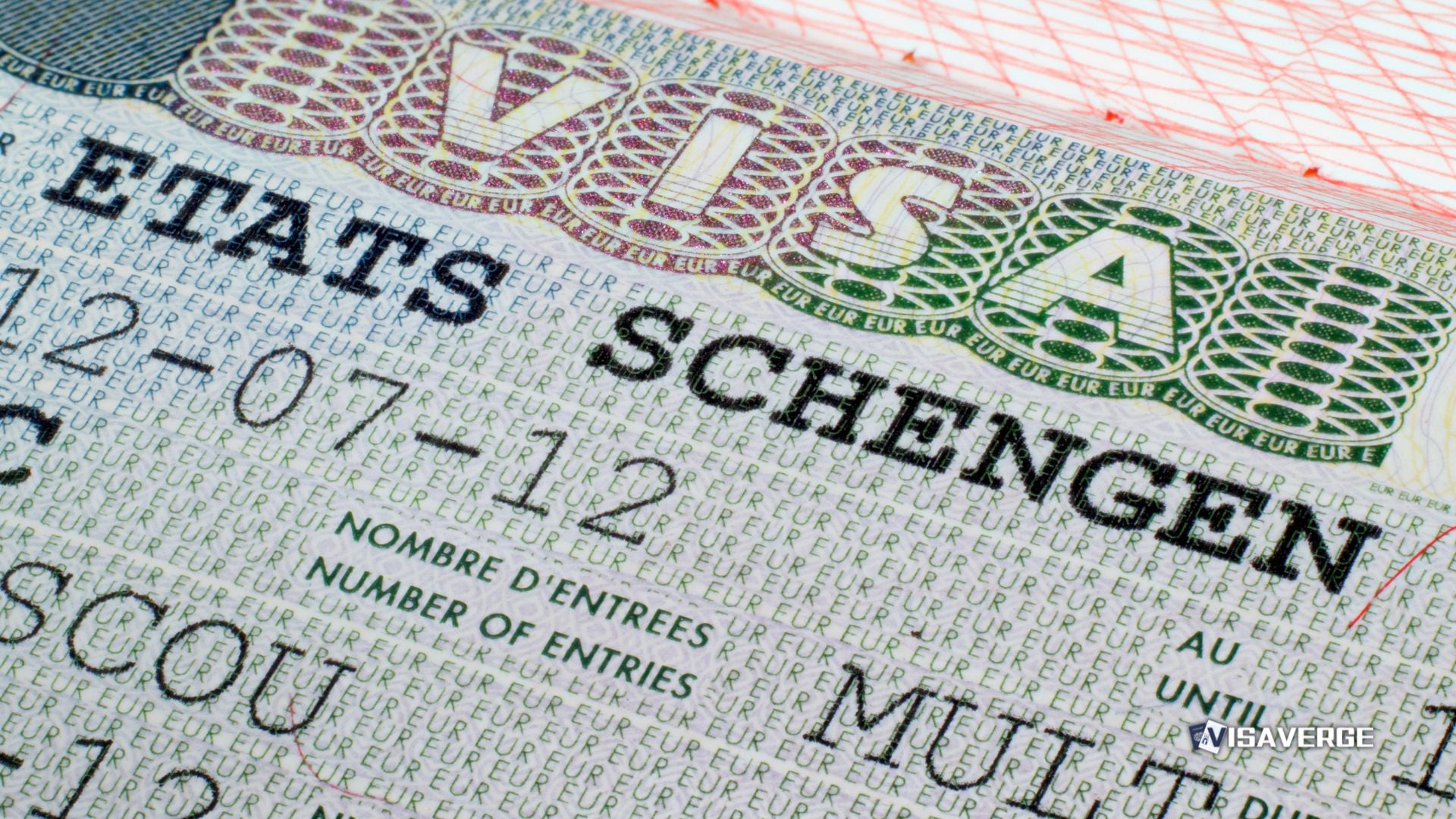
(SPAIN) Spain’s entry rules are changing for many visa-exempt visitors, but the basic passport test still matters most. The new ETIAS travel authorisation will sit alongside Spain’s existing border checks, not replace them, and it will apply to short-stay visitors heading to Spain and other countries in the Schengen area.
For travelers from countries that currently enter Spain without a visa, the shift is simple but important: a passport alone will no longer be enough once ETIAS begins. Spain will still expect a valid travel document, proof of identity, the purpose and conditions of stay, and sufficient financial means if border officers ask for it.

ETIAS and Spain’s entry rules work together
ETIAS is a pre-travel authorisation for visa-exempt visitors. It is designed for short stays of up to 90 days in any 180-day period in Spain and other participating European countries. It is not a visa, and it does not change the underlying rules that already apply at Spain’s border.
That means two things must line up before a trip. First, the passport must meet Spain’s normal entry rules. Second, once ETIAS starts, many travelers will also need an approved ETIAS linked to that passport.
For Spain, the passport must be issued within the previous 10 years and must remain valid for at least three months after the planned date of departure from the Schengen area. Travelers who arrive with a passport that fails either test risk being turned away before they ever reach their hotel, rental car, or connecting train.
The European Union’s official ETIAS information is available at the ETIAS page on the European Commission website. The same system will sit alongside other border controls for the bloc’s external frontier.
VisaVerge.com reports that many travelers still assume ETIAS will replace passport rules. It will not. The passport check remains the first line of screening, and ETIAS adds one more layer for eligible short-term visitors.
Who needs ETIAS and who does not
ETIAS applies to travelers who can enter Spain without a visa. These are the people who will need authorisation before boarding a flight, ferry, or other transport to Spain once the system is live.
The authorisation is linked to the exact passport used in the application. It is valid for up to three years or until that passport expires, whichever comes first. If a traveler gets a new passport, a fresh ETIAS application is required. The approval does not move from one passport to another.
That detail matters for families, frequent tourists, and business visitors who renew passports often. A new passport usually means a new ETIAS record, even when the person’s travel plans stay the same.
Not everyone needs ETIAS. EU and EEA citizens are exempt, because they already move within the European system under separate rules. Travelers who already hold a valid Schengen visa do not need ETIAS either. The same applies to people with a valid residence permit in an ETIAS-country.
That exemption list is narrow. A traveler should not assume a residence card, old visa sticker, or dual nationality status automatically removes the need to check the rules. The key question is whether the person already has a valid right to enter under another European travel rule.
Spain’s passport test remains strict
Even after ETIAS starts, Spain will continue to apply its own passport requirements at the border. These rules matter because ETIAS approval does not override them.
The passport must be:
- Issued within the previous 10 years
- Valid for at least three months after the planned departure date from the Schengen area
Those two dates often catch travelers out. Many people look only at the expiry date printed inside the passport. Spain looks at more than that. A passport can still be rejected if it was issued too long ago, even if the expiry date has not arrived yet.
This is especially important for travelers planning a multi-country European trip. A person entering Spain may later move to France, Italy, Germany, or another participating country. The passport must satisfy the rule for the entire trip, not just the first night in Spain.
The border officer can still ask for proof of identity, a valid travel document, the purpose and conditions of stay, and financial means if needed. ETIAS does not erase those checks. It sits beside them.
Timing matters for 2026 trips
ETIAS is scheduled to start in the last quarter of 2026. That date is planned, not a reason to relax. Travelers with Spain on their 2026 itinerary should verify the latest launch date before departure, because border systems across Europe often shift after testing and phased rollouts.
Until ETIAS begins, the current entry rules remain in place. But once the system launches, many short-stay visitors will need to complete the online authorisation step before travel. That makes passport renewal timing especially important for anyone whose passport is close to expiring or was issued more than 10 years ago.
Travelers should also keep in mind that ETIAS approval is tied to the passport number entered during the application. A passport replacement after approval means the earlier clearance no longer matches the travel document in hand. That is why renewals should happen before applying whenever possible.
According to VisaVerge.com, the biggest mistake travelers make is leaving passport checks until the final week before departure. That habit becomes riskier once ETIAS enters the picture, because the traveler must clear both the passport rule and the pre-travel authorisation rule.
Quick yes-or-no check for Spain
A traveler planning a short visit to Spain can test eligibility with four simple questions.
- Are you a citizen of the EU or EEA? If yes, ETIAS is not required.
- Do you already hold a valid Schengen visa? If yes, ETIAS is not required.
- Do you hold a valid residence permit in an ETIAS-country? If yes, ETIAS is not required.
- Are you a visa-exempt visitor heading to Spain for up to 90 days in any 180-day period? If yes, ETIAS will apply once the system starts.
If the answer to the last question is yes, the passport rules still have to be met. The passport must be recent enough and valid long enough, and the ETIAS approval must match that passport exactly.
Planning around passport renewal and short stays
Families traveling together often face mixed rules. One parent may already hold a residence permit in Europe, while children or other relatives travel as visa-exempt visitors. Each traveler needs a separate check against the rules that apply to them.
Frequent travelers should also watch the passport issue date, not only the expiry date. A passport nearing the 10-year issue limit can become a problem even when the booklet still looks new. That issue date decides whether Spain accepts the document.
For short business trips, airport transfers, and holiday visits, the safest approach is to confirm three points before booking non-refundable travel: the passport issue date, the passport expiry date, and whether ETIAS has begun by the time of travel. Those three checks decide whether the traveler is ready for Spain’s border.
The ETIAS system is meant for short visits, not settlement. Anyone who wants a longer stay, work rights, or residence in Spain must look at a different immigration route. ETIAS only covers the short-stay visitor route for eligible travelers in the Schengen area.