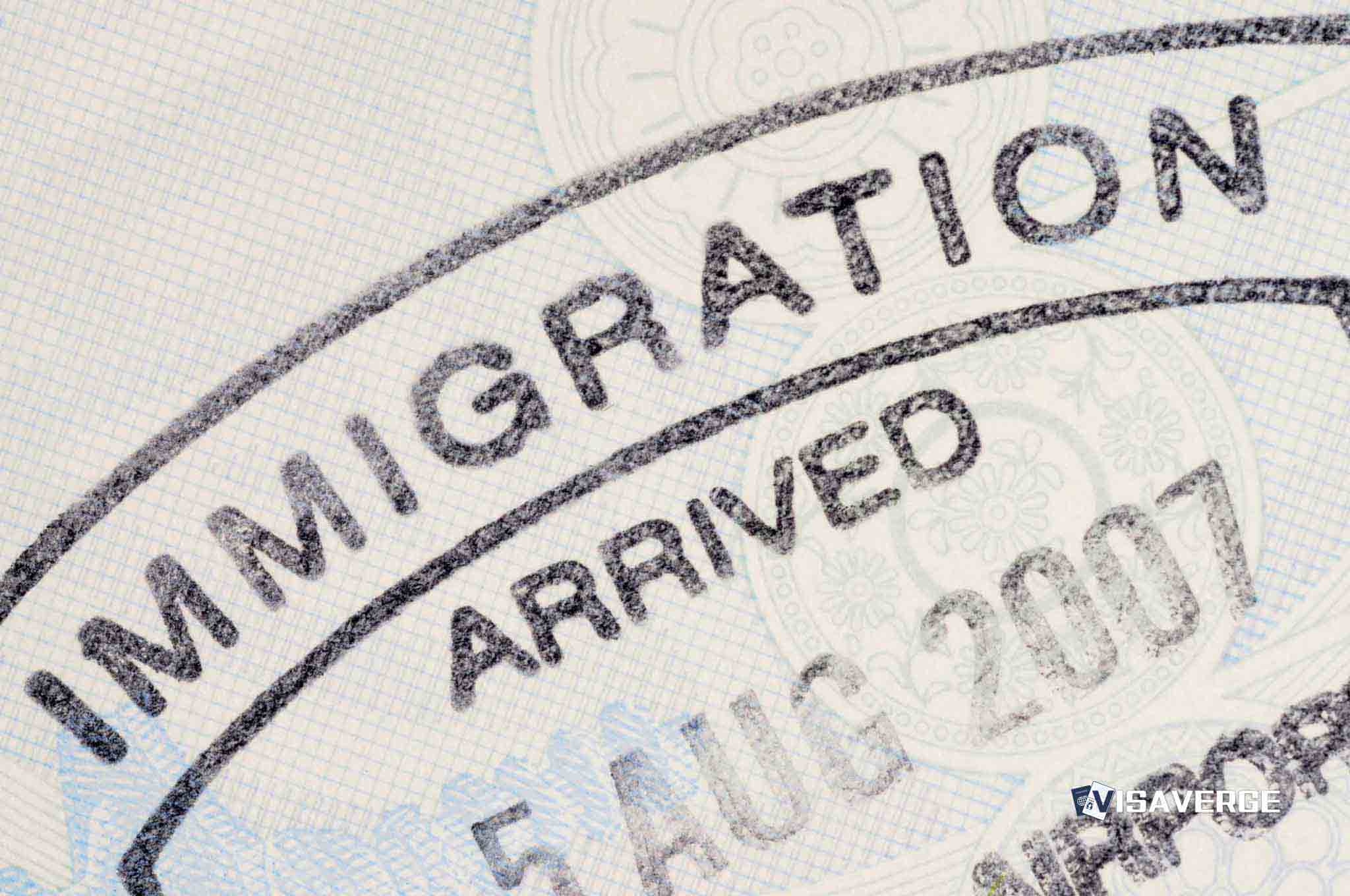
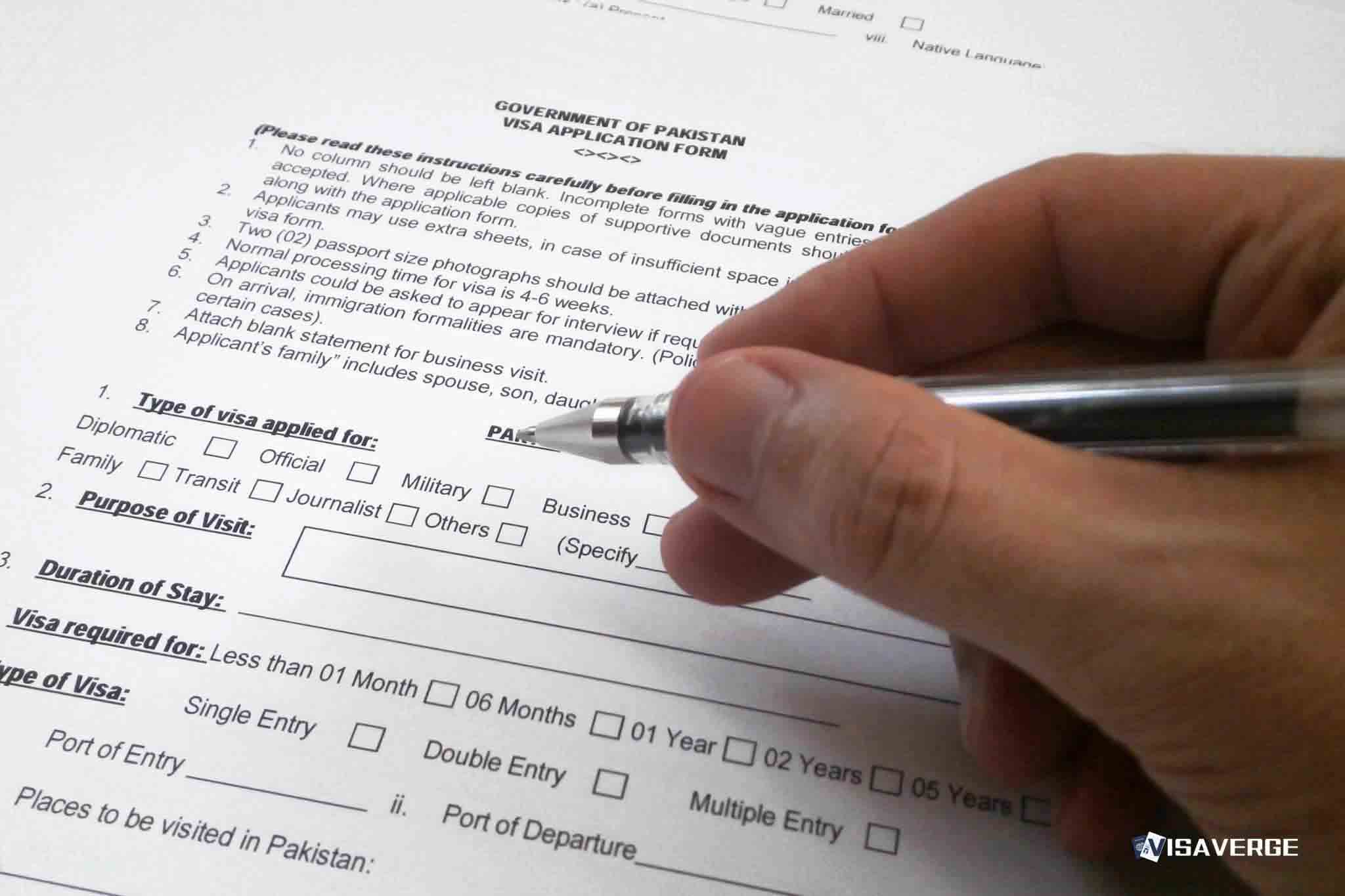
ETIAS is an extra step, not a new visa, for visa‑free trips to the Schengen Area, and it will apply to many Caribbean Citizenship by Investment (CBI) passports the same way it applies to other visa‑exempt travelers. For CBI passport holders from Antigua and Barbuda, Dominica, Grenada, Saint Kitts and Nevis, and Saint Lucia, the key change is that airlines and border systems will expect a valid electronic travel authorisation before you board.
Most people with a clean record should still be approved; the source material says approval is expected for over 95% of applicants who have no issues.
Free toolSchengen Short-Stay Visa Calculator
What changes for short Schengen trips
Today, many CBI passport holders can enter the Schengen zone for short stays of up to 90 days in any 180‑day period without getting a visa in advance. ETIAS keeps that basic travel right, but it makes it conditional on an online check that happens before you travel.
You will need to:
- Fill in an online form.
- Pay a fee of €7 (note: some sources have listed €20, so travelers should watch the official fee notice).
- Wait for a result that is electronically linked to the passport you used.
When approved, ETIAS is meant to be valid for three years or until the passport expires, whichever comes first, and it should cover multiple short entries.
That “pre‑travel yes” matters in practice. If you turn up at the airport without ETIAS once it is required, you could be refused boarding. If you reach the border without a valid authorisation you could be refused entry.
Important: ETIAS does not change the 90/180 rule. It is an authorisation to travel, not a right to a longer stay or to work in the Schengen Area.
Rollout dates and how to prepare
Timelines have shifted. Some early projections pointed to a mid‑2025 start, but authoritative updates now place ETIAS becoming operational in late 2026, and becoming mandatory by October 2027.
For travelers, that means two planning tracks:
- Actions to take before ETIAS starts.
- Actions to take once airlines begin asking for it as part of check‑in.
Practical timing notes:
- The application is described as taking about 10 minutes.
- Most decisions are expected in minutes, but standard processing can run up to 96 hours.
- If your file is flagged, processing can take up to 30 days.
- A safe habit is to apply several days before travel, and earlier if you’ve had prior visa refusals, criminal charges, or a name often confused with someone else.
Step-by-step ETIAS process for CBI passport holders
You apply online through the official ETIAS channel. The European Union has said the key public information will sit on the EU’s ETIAS site at travel-europe.europa.eu/etias_en.
According to analysis by VisaVerge.com, the biggest practical change for frequent Caribbean travelers is that “visa‑free” becomes “visa‑free but pre‑approved,” which affects spontaneous business meetings and last‑minute family trips.
- Check your passport first. ETIAS is tied to one specific passport document, so ensure the document meets technical rules before you pay and submit.
- Passport must be biometric or machine‑readable.
- Issued less than 10 years ago.
- Valid for at least three months beyond your planned departure from the Schengen Area.
- Set aside about 10 minutes for the form. You’ll enter personal details and answer background questions about your trip and history.
- Typical trip reasons: tourism, business, medical visits, or transit.
- Questions include criminal history and certain travel (e.g., conflict zones).
- Pay the fee and submit. The source material lists a €7 fee, while noting some sources say €20. Payment is a required step.
- Wait for a decision that is usually quick. Most applicants get an answer in minutes, but allow up to 96 hours.
- If flagged, authorities can extend processing up to 30 days.
- Receive an authorisation linked to your passport. ETIAS validity: three years or until passport expiry, and it should cover multiple short visits within the 90/180 rule.
- Remember there are no age exemptions. ETIAS applies to all ages, including children, even though many CBI programs already have due‑diligence checks.
What can slow you down — and why the EU pre‑screens
ETIAS is presented as a security and border‑management tool: authorities run your answers against databases before you travel, rather than only at the Schengen border.
For most travelers, this feels like a small administrative step. For some CBI passport holders, it raises a larger concern: being treated as higher risk because their passport came through investment rather than birth or long residence.
The source material highlights a market concern:
- One‑third of investment migration executives worry ETIAS could act as a quiet “pressure valve,” allowing selective denials without a formal move to remove visa‑free status.
- EU rules finalised in June 2025 link CBI programs to easier visa waiver suspensions.
This does not mean blanket discrimination is happening; the same source says there is no evidence of widespread targeting yet. But it does mean travelers should treat ETIAS as a real permission step, not a box‑ticking exercise.
Common red flags to consider before you apply:
- Incomplete or incorrect passport details (approval is linked to that document).
- Disclosed criminal history or unresolved charges.
- Prior problems at a border, including overstays.
- Travel patterns that trigger extra review, such as travel to conflict zones.
Travel‑day expectations at airports and at the Schengen border
Once ETIAS is in force, the first check often happens before you reach Europe. Airlines are expected to confirm that your passport number has a valid authorisation.
If you show up without it, you may be denied boarding. This can be especially disruptive for families with children or business travelers on tight schedules, so build ETIAS into your trip checklist the same way you check passport expiry.
At the border, ETIAS does not replace the usual checks. Border officers can still ask for proof that you are a genuine short‑stay visitor and that you will leave within the allowed time.
Recommended documents to carry:
- Return ticket.
- Hotel booking or accommodation confirmation.
- Letter showing where you will stay (if applicable).
- Evidence you can pay for the trip.
If your passport does not meet technical rules—issued more than 10 years ago, expiring too soon, or not machine‑readable—renew it before you apply. A new passport number means a new ETIAS, which commonly causes confusion after urgent renewals or lost passports.
ETIAS also reduces impulse travel: you can still decide to go tomorrow, but only if you already have a valid authorisation tied to your current passport.
Practical tips to keep trips smooth
- Treat ETIAS like a pre‑flight document check. Submit the online form as soon as you book, or earlier if you travel often.
- Save a screenshot or email confirming the result.
- If a case goes to manual review, avoid buying non‑refundable connections until you have an answer.
- Remember: ETIAS is not a work permit or a long‑stay visa. The 90 days in any 180‑day period rule still applies.
- If you need to stay longer, follow the national rules of the country where you plan to reside.
For CBI passport holders with clean records, planning for ETIAS should keep Schengen weekends and business meetings predictable.
ETIAS introduces an online pre‑travel authorisation for many visa‑exempt travelers, including holders of Caribbean CBI passports. Applicants from Antigua and Barbuda, Dominica, Grenada, Saint Kitts and Nevis, and Saint Lucia must submit a roughly 10‑minute form, pay a fee (commonly €7), and receive an approval tied to a specific passport. Most clean‑record applicants are expected to be approved quickly, but processing can extend up to 30 days if flagged. ETIAS does not change the 90/180 stay rule.