


- Lithuania offers a streamlined one-to-two month processing time for standard work visa cases in 2026.
- Eligible foreign workers may receive relocation support of up to €4,700 when moving for employment.
- The 2026 rules require Lithuanian language skills specifically for non-EU workers in client-facing service roles.
(LITHUANIA) Lithuania is still one of Europe’s faster routes for foreign workers in 2026. Non-EU and non-EEA nationals usually need an employer-backed work permit plus a national D visa or a temporary residence permit, while EU and EEA citizens can work freely and register after 90 days.
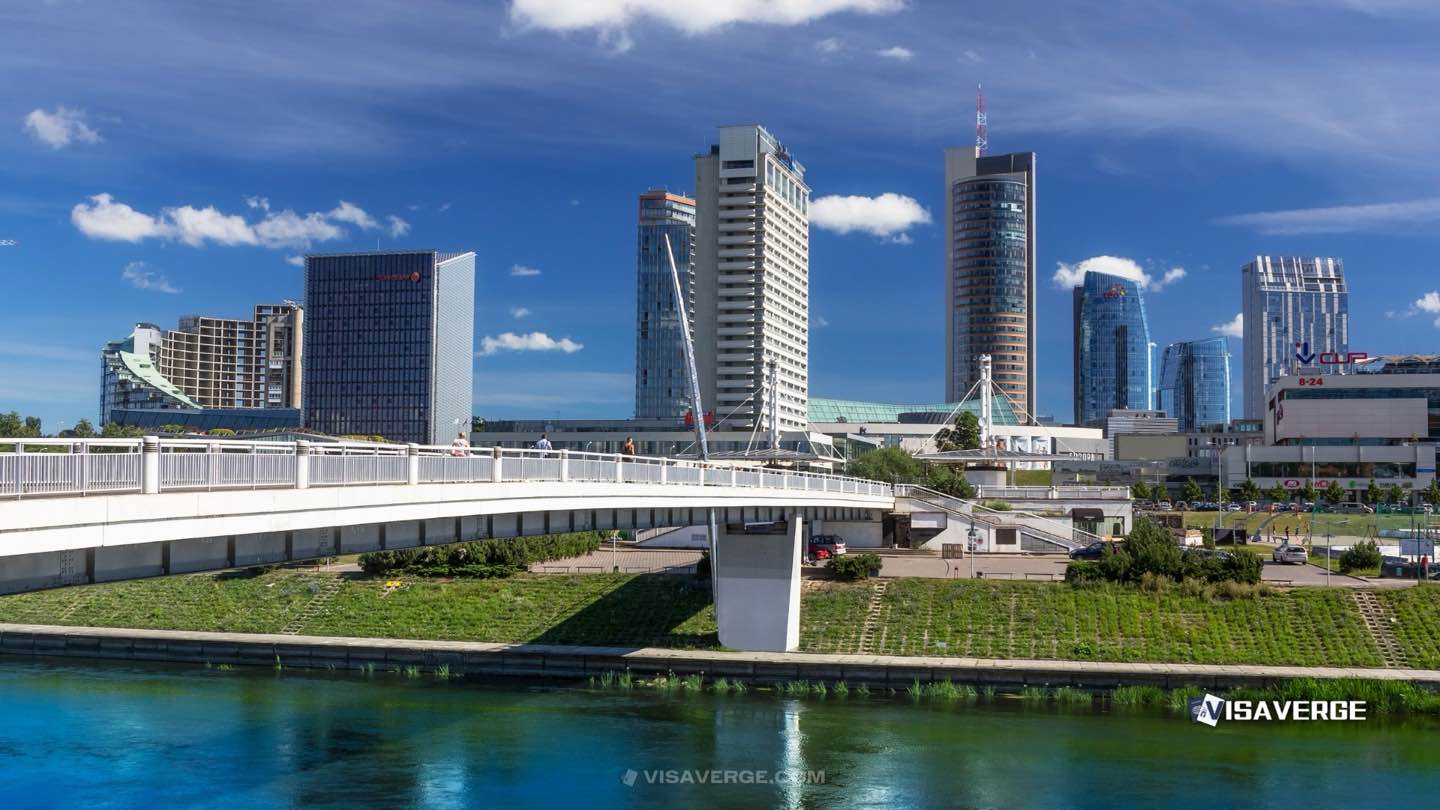
That structure matters because Lithuania has kept the process simple by regional standards. A standard work visa case often moves in 1 to 2 months, and some eligible workers can also receive relocation support of up to €4,700.
According to analysis by VisaVerge.com, that mix of speed, lower costs, and a growing tech market keeps Lithuania attractive for foreign professionals.
Fast Entry Rules for 2026
The first question is always status. EU, EEA, and Swiss citizens do not need a work permit or a national D visa to start working. They must register their residence after three months at the Migration Department.
For non-EU and non-EEA citizens, the route is different. The employer secures the work permit through Lithuania’s Employment Service. After that, the worker usually applies for a national D visa for entry or a temporary residence permit, known as a TRP, for longer stays.
The Ministry of the Interior’s Migration Department portal and the official MIGRIS application system are the main state channels for residence procedures.
The Main Permits and What Each One Does
Lithuania uses several tracks, and the right one depends on the job.
- General work permit: For standard hired jobs. The employer applies first.
- National D visa: A long-stay entry visa, usually used after permit approval.
- Temporary residence permit: Used for longer work stays and often linked with the job contract.
- EU Blue Card: For highly qualified workers in shortage roles.
- Intra-company transfer permit: For managers, specialists, and trainees moved by multinational firms.
- Seasonal work permit: For short-term work such as agriculture or tourism.
The new 2026 rule for service providers also matters. Non-EU workers in client-facing service roles now need Lithuanian language skills. That rule sits on top of the usual employment paperwork.
How the Standard Application Works
The process starts with the employer. The worker first needs a job offer from a registered Lithuanian company with no tax problems. The employer then files the work permit request with the Employment Service.
A standard case usually follows this path:
- Secure a job offer from a compliant Lithuanian employer.
- Employer files the work permit request with the Employment Service.
- Receive permit approval or mediation letter.
- Apply for a national D visa or TRP at a Lithuanian embassy, consulate, or through MIGRIS where eligible.
- Submit biometrics and supporting documents.
- Enter Lithuania and register with the social insurance system.
- Begin work only after notification is filed.
The work permit often takes 7 to 30 days. The national D visa usually takes about 15 working days. A TRP can take 1 to 4 months.
Documents That Usually Cause Delays
Missing paperwork slows the case. Officials often ask for the following:
- A passport issued within the last 10 years, valid for at least 6 months after the stay
- Two color photos
- A signed job offer or contract
- The approved work permit
- Diploma, transcripts, CV, and references
- A criminal record certificate no older than 3 months
- Proof of housing
- Proof of health insurance
- Bank statements or salary proof
- Translations and legalizations in Lithuanian or English
For the work visa forms tied to residence, the official MIGRIS portal is the state platform used for many applications. Some applicants also use VFS Global where their country requires submission through a visa center.
EU Blue Card and Skilled Workers
The EU Blue Card remains the quickest route for many skilled workers in 2026. It is meant for people with a university degree or strong professional experience, plus a job offer in a shortage occupation.
The salary threshold sits at €2,700+ gross per month, which reflects the rule that pay must be at least 1.5 times the average wage. The permit is usually issued for 3 years, and the holder can move toward EU residence rights after longer lawful stay.
This track also helps families. Blue Card holders usually receive faster family reunification processing, and the permit avoids labor market testing under the post-2025 rules.
Family, Renewals, and Long-Term Stay
Family members can usually join through reunification if the main worker shows income and housing. Spouses and minors are included, and the sponsor must prove enough money to support the household.
Renewals should begin early. Employers should apply 1 to 2 months before expiry, while TRP holders should start even earlier, around 2 to 4 months before the permit runs out.
A worker who stays legally for 5 years can later pursue permanent residence. Citizenship is possible after longer residence, with the general timeline reaching 10 years.
Costs, Pay, and Living Pressure
Lithuania stays competitive because costs are still moderate by EU standards. Average monthly living costs range from €900 to €1,500, with Vilnius at the higher end. Average gross pay is around €1,800 to €2,000, while tech roles often pay more.
Fees are also manageable:
- Work permit: €300
- National D visa: €100 to €120
- TRP: €120 to €160
- Translations and legalization fees may add more
Employers also need to handle payroll reporting and social insurance, known locally as Sodra. Health coverage is not optional.
Why Employers Are Moving Faster
Lithuania removed labor market testing in 2025, which means employers no longer need to prove they searched locally before hiring many foreign workers. That change cut paperwork and sped up approvals.
There is now also a quota for some non-highly qualified residence permits. If the cap is reached, employers must raise salaries to 1.5 times the minimum wage. That rule pushes demand toward better-paid jobs and higher-skilled roles.
For many companies, that is still easier than hiring across longer bottlenecks in other European states. It also helps explain why the country continues to draw technology firms, startups, and international service companies.
After Arrival in Lithuania
The work visa does not end at the border. New arrivals must register their address within 7 days, complete social insurance steps, and keep their residence papers current. TRP card pickup is handled through the Migration Department’s local offices.
Employment should begin only after the EDAS notification is sent and the legal status is active. For workers in short-term roles, the employer’s paperwork and the visa dates must match the contract exactly.
Lithuania’s system rewards preparation. Workers who gather the right papers early usually move through the process smoothly, while late filings lead to long delays.







hii, i am lovekesh k munjal and i need lithuania work permits for two applicants.