- Non-EU students require a Type D long-stay visa for study programs exceeding 90 days in Latvia.
- Applicants must demonstrate financial proof of at least €1,685 per month to secure approval.
- Processing times for 2026 intake can range from 15 to 60 days during peak periods.
(LATVIA) Latvia’s Student Visa rules for 2026 are clear: non-EU, non-EEA, and non-Swiss students need a Type D long-stay student visa for study programs that last more than 90 days. The other major change is financial proof. Applicants must now show at least €1,685 per month, or the sector’s average gross wage if that figure is higher.

That threshold matters because it shapes almost every application. It affects tuition planning, housing choices, and the strength of bank statements. It also decides whether a student can arrive on time for autumn intake and register without delays.
Latvia remains attractive because it offers English-taught programs, Schengen access, and lower tuition than many Western European study destinations. VisaVerge.com reports that these features, combined with university support and post-arrival residence procedures, keep Latvia a steady choice for international students in 2026.
Free toolSchengen Short-Stay Visa CalculatorWho needs the visa, and who does not
Nationality and course length decide the route.
Non-EU and non-EEA citizens need a Type D long-stay student visa for studies longer than 90 days. If the course lasts 90 days or less, a Type C Schengen visa is enough.
Students from countries with Schengen visa-free access still need a long-stay visa once their program exceeds 90 days.
EU, EEA, and Swiss nationals do not need a Student Visa. They can enter with a valid passport or identity card, then register their stay with the Office of Citizenship and Migration Affairs if they remain longer than 90 days.
Many universities now start the initial entry process after admission by helping students secure a 3-month entry visa through the migration office. That arrangement shortens the first step, but it does not replace the full residence process after arrival.
The document file universities expect
The visa file needs to be complete, consistent, and translated into Latvian or English when required. A missing paper often causes a refusal or a request for more documents.
The main items are:
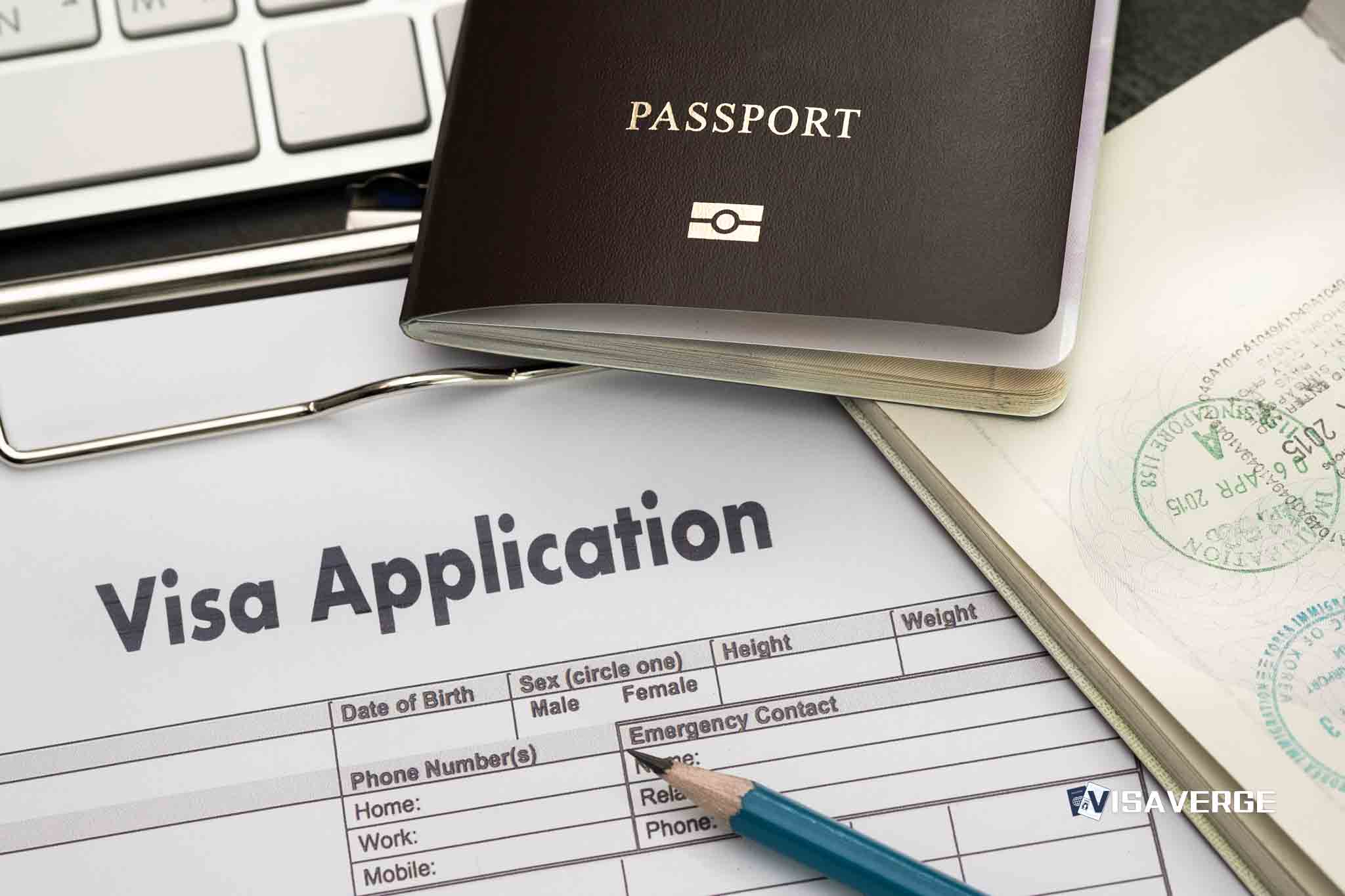
- Visa Application Form: complete the national long-stay form on the official e-Visa portal, print it, and sign it.
- Passport: valid for at least three months beyond the planned stay, issued within the past 10 years, with two blank pages.
- Photos: two recent passport-size photos meeting Latvian requirements.
- Acceptance or invitation letter: from an OCMA-approved university, with program details and duration.
- Proof of funds: bank statements from the last three to six months, scholarship papers, sponsor affidavits, loan letters, or tuition payment proof.
- Health insurance: Schengen-valid cover for at least €42,600 for the first 90 days.
- Accommodation proof: dorm booking, rental agreement, or university housing confirmation.
- Travel booking: a flight reservation that can be changed.
- Academic records: diplomas, transcripts, and language proof if the university asks for it.
A police clearance certificate or medical certificate may also be requested. Universities approved by OCMA issue the invitation number that sits at the center of the file.
The money requirement deserves close attention. For a one-year program, the bare minimum is about €20,220, before tuition. Many advisers recommend showing 20% more than the minimum. That extra buffer helps when bank balances move or when a visa officer wants reassurance.
Step-by-step from acceptance to visa stamp
The process usually runs through a Latvian embassy, consulate, or VFS Global center in the applicant’s country.
- Secure admission from a Latvian university such as the University of Latvia or Riga Technical University.
- Complete the online form on the e-Visa portal, then print and sign it.
- Book the appointment early through the embassy, consulate, or VFS office.
- Organize the file in order, with copies of every document.
- Submit in person and pay the fee.
- Give biometrics unless Schengen fingerprints from the last five years already cover the case.
- Attend the interview if called. Officers usually ask about the study plan, finances, and return plans.
- Track the file and collect the passport once the decision is made.
Biometrics are now part of the standard process and usually take about 15 minutes. The visa fee is about €120, with service charges added by VFS where used. The fee is non-refundable.
Processing usually takes 15 to 30 days. Busy periods can stretch that to eight weeks, and some 2026 intake seasons may reach 60 days. That is why applicants should file two to three months before classes start.
What the visa allows inside Schengen
A Latvian long-stay visa lets the student enter Latvia first. Travel to other Schengen states follows the normal visitor rule of 90 days in any 180-day period.
That means the visa does not give free movement for work or study elsewhere in the zone. Students should also carry proof of residence once they register in Latvia, since border officers may ask for it during checks.
Arrival, residence registration, and the permit that follows
The visa is only the first stage. After arrival, students move to the temporary residence permit process, which covers the full study period.
Within 30 days, the student must register with OCMA and show identification, residence proof, and the €4.27 registration fee. In many cases, the university handles much of the residence permit paperwork after matriculation.
The temporary residence permit usually matches the study program and can run from six months to five years. It is extendable if the student remains enrolled and keeps the file in order.
Work rights, extensions, and life after graduation
Latvia allows limited student work. Bachelor’s and master’s students may work 20 hours a week during term time and full-time during holidays. The main rule is simple: studies come first.
Extensions require a fresh application before the current permit expires. Students must show continued enrollment, enough funds, and valid insurance. Academic progress matters, too.
Graduates can apply for a one-year residence permit for job search after completing their degree. If they find work, that path can lead to a work permit and longer stay.
Why refusals happen
The most common refusal reason is money. Officers expect clear proof that the student can pay for living costs and tuition. Weak ties to the home country also hurt cases, especially when interview answers are vague.
Document errors are another problem. Missing translations, expired passports, or inconsistent names across forms and bank papers can stop an application. Strong academic records help, and a confident interview usually reflects good preparation rather than luck.
Latvia’s appeal is easy to see. Tuition often ranges from €2,000 to €5,000 a year, many programs are taught in English, and universities give direct support on arrival. For students who meet the €1,685 per month rule and file early, the route is orderly and practical.
Official information remains available through the Latvia Ministry of Foreign Affairs and the migration office’s e-visa and residence services portal.