Key Takeaways
• Rubio stated visa holders lack First Amendment protections in the U.S.
• Supporting foreign terrorist organizations results in visa revocation.
• Pro-Palestinian protests spurred visa crackdowns in universities.
Recent comments from U.S. Secretary of State Marco Rubio have sparked intense debate about the rights and limitations of visa holders in America ??. In a statement published in an opinion piece on Fox News, Rubio declared that individuals holding visas in the United States cannot rely on the First Amendment of the U.S. Constitution. This amendment, which is well known for protecting freedoms like speech and assembly, does not, according to Rubio, extend to non-citizens, especially when their actions are seen as supporting groups identified as foreign terrorist organizations.
Understanding the Context
Free toolDS-160 Form Filling Online Helper Tool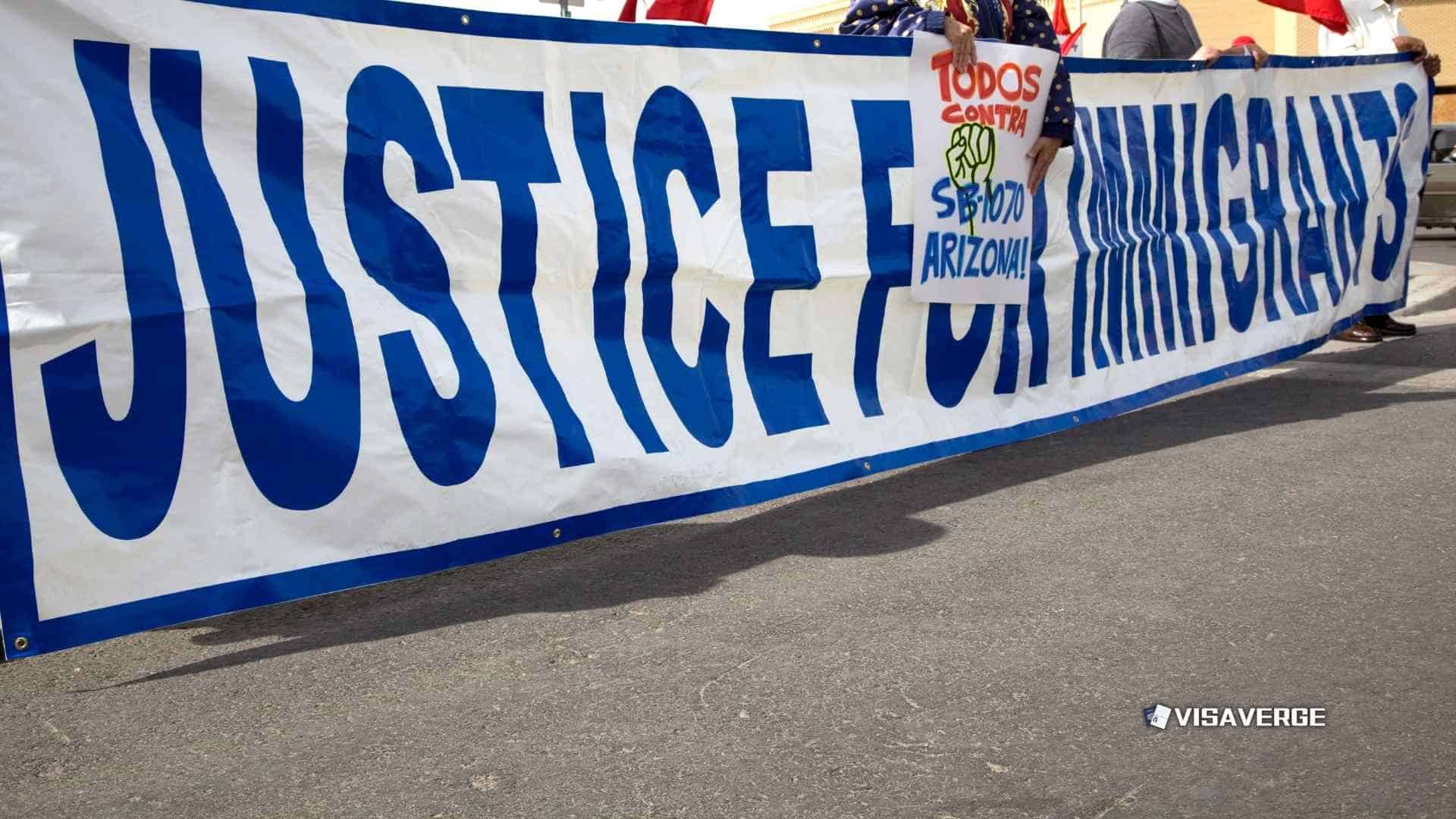
The First Amendment has long served as a symbol of American values, promising freedom of speech, religion, and the right to assemble. However, Rubio’s remarks underscore an important distinction between citizens and those who are in the U.S. temporarily on visas or green cards. The statement suggests that while these rights are fundamental to American democracy, they do not necessarily apply to individuals whose stay in the country is considered a privilege rather than a right.
Marco Rubio emphasized that being a visitor in the United States is a privilege that comes with the responsibility of respecting U.S. laws and values. Under the Immigration and Nationality Act (INA), anyone who supports terrorist activities or organizations is not eligible for a visa. Visa holders who are found to be involved with these groups face severe penalties, such as the denial or revocation of their visas or even deportation. This strict stance aims to maintain national security and ensure that those entering the country do not pose a threat.
Current Immigration Issues and Impact
The timing of Rubio’s statement is noteworthy, coming at a time of growing scrutiny around pro-Palestinian protests within U.S. universities and workplaces due to the conflict in Gaza. These protests have led the administration to take a firm stance, reportedly revoking hundreds of visas from international students and workers accused of acts seen as supportive of certain groups. This aligns with the administration’s zero-tolerance approach to national security. Some courts have blocked deportations, but this showcases an ongoing tension between national security measures and individual rights.
For many visa holders, this crackdown has likely raised concerns about how their actions might be interpreted under U.S. laws and the risks of deportation. It’s a balancing act for international individuals, who must ensure they are not perceived as threats while trying to express their beliefs and opinions. Visa holders should remain aware of the legal boundaries that come with their status, as Secretary Marco Rubio’s comments highlight the possible consequences of crossing these lines.
Legal Framework
The legal framework Rubio refers to includes the Immigration and Nationality Act, a law that governs many aspects of immigration in the U.S. The INA specifically states that anyone who endorses terrorists or aids in advancing a terrorist organization is not eligible for entry into the United States. This provision reflects the government’s focus on maintaining security and preventing any risks. Visa holders must be vigilant in their conduct, understanding that activities deemed supportive of terrorist entities can jeopardize their legal standing in the country.
Nonetheless, this crackdown has triggered debates about its fairness and the potential for overreach. Critics argue that the broad criteria used to assess what qualifies as support for a foreign terrorist organization might unjustly impact individuals who are merely exercising their freedoms—or what they believe to be their freedoms—under the First Amendment.
Controversies and Differing Views
Not everyone agrees with Rubio’s stance, and different viewpoints have emerged. Some legal experts contend that non-citizens should have some level of protection under the First Amendment, particularly when they’re engaged in peaceful protest. They argue that denying this right sets a dangerous precedent that could limit freedom of expression for everyone. Others believe that stricter security measures are necessary to protect the country’s interests and ensure public safety.
These discussions highlight a complex issue: balancing security and individual rights. While the government aims to prevent threats, the method of doing so is facing scrutiny. As noted in an article by VisaVerge.com, these evolving policies underscore the importance of understanding current laws and the responsibilities for those residing in the U.S. on temporary visas.
What This Means for Immigrants
For immigrants and those on temporary visas, the implications of these statements and policies are significant. It’s crucial to understand the legal environment in which they are operating to avoid any activities that might jeopardize their status. There should be more awareness and education programs that offer guidance on the rights and limitations of visa holders. Such programs can help in ensuring that individuals are informed and able to make decisions that don’t infringe on their legal standing.
Broader Implications
The broader implications of Rubio’s announcement reach beyond individual visa holders and affect universities, corporations, and other institutions that host international students and workers. These organizations may need to re-evaluate how they approach activities like protests or political expression on their campuses or within their workforces. This is an opportunity for institutions to clearly communicate policies to their international community and provide resources to understand the potential legal consequences of their actions.
As institutions grapple with these challenges, they’ll need to navigate the fine line between allowing freedom of expression and ensuring compliance with U.S. laws. They can play a proactive role by organizing workshops or sessions that address these issues, providing resources that explain the legal landscape for international members of their community.
Moving Forward
As this situation unfolds, it is clear that visa holders and immigrants must remain informed about their rights and responsibilities within the United States. More resources are needed to provide clear and accurate information about how these individuals can express themselves while respecting laws that govern their stay.
Ongoing dialogue between communities, legal experts, and policymakers is essential for finding a balance that upholds national security without infringing on basic human freedoms. In these discussions, the voices of those most affected are crucial. Through engagement and collaboration, policies can evolve that reflect both the security needs of the country and the rights of individuals.
For those interested in further information on the rights and responsibilities of visa holders, the U.S. Citizenship and Immigration Services website provides authoritative resources and updates on the latest immigration policies and guidelines.
In conclusion, Marco Rubio’s comments have initiated critical discussions regarding the rights of visa holders, emphasizing the need for a deep understanding of U.S. law when it comes to expressions of opinion and involvement in various activities. As these debates continue, they will shape the balance of individual rights and national security in the years to come, impacting how visa holders interact with the broader U.S. community. Ultimately, clear communication, education, and lawful compliance will be key in guiding the future of immigration policy for those who call the United States their temporary home.
Learn Today
First Amendment → U.S. constitutional right protecting freedoms of speech, religion, and assembly primarily for citizens.
Visa → Permit allowing a foreigner to enter, stay, or work in another country for a period.
Immigration and Nationality Act → U.S. law governing immigration, specifying actions leading to visa ineligibility.
Deportation → Formal removal of a foreigner from a country due to legal violations.
Foreign Terrorist Organization → Group designated by a government as engaging in terrorism, threatening national security.
This Article in a Nutshell
U.S. Secretary of State Marco Rubio’s statement highlights tensions surrounding visa holders and First Amendment rights. Stressing national security, his comments reiterate that foreigners cannot invoke this constitutional protection, especially when associated with terrorism. Visa revocations underline the administration’s stringent stance amidst campus protests and heightened geopolitical concerns.
— By VisaVerge.com
Read more:
• Breaking Down the 14th Amendment: Rights, Citizenship, and Equality Explained
• List of 27 Amendments to the U.S. Constitution
• Wisconsin Voters Confused by Non-Citizen Voting Ban Amendment
• Canada Citizenship Amendment Benefits Indian Diaspora
• USCIRF Raises Concerns Over India’s Citizenship Amendment Act