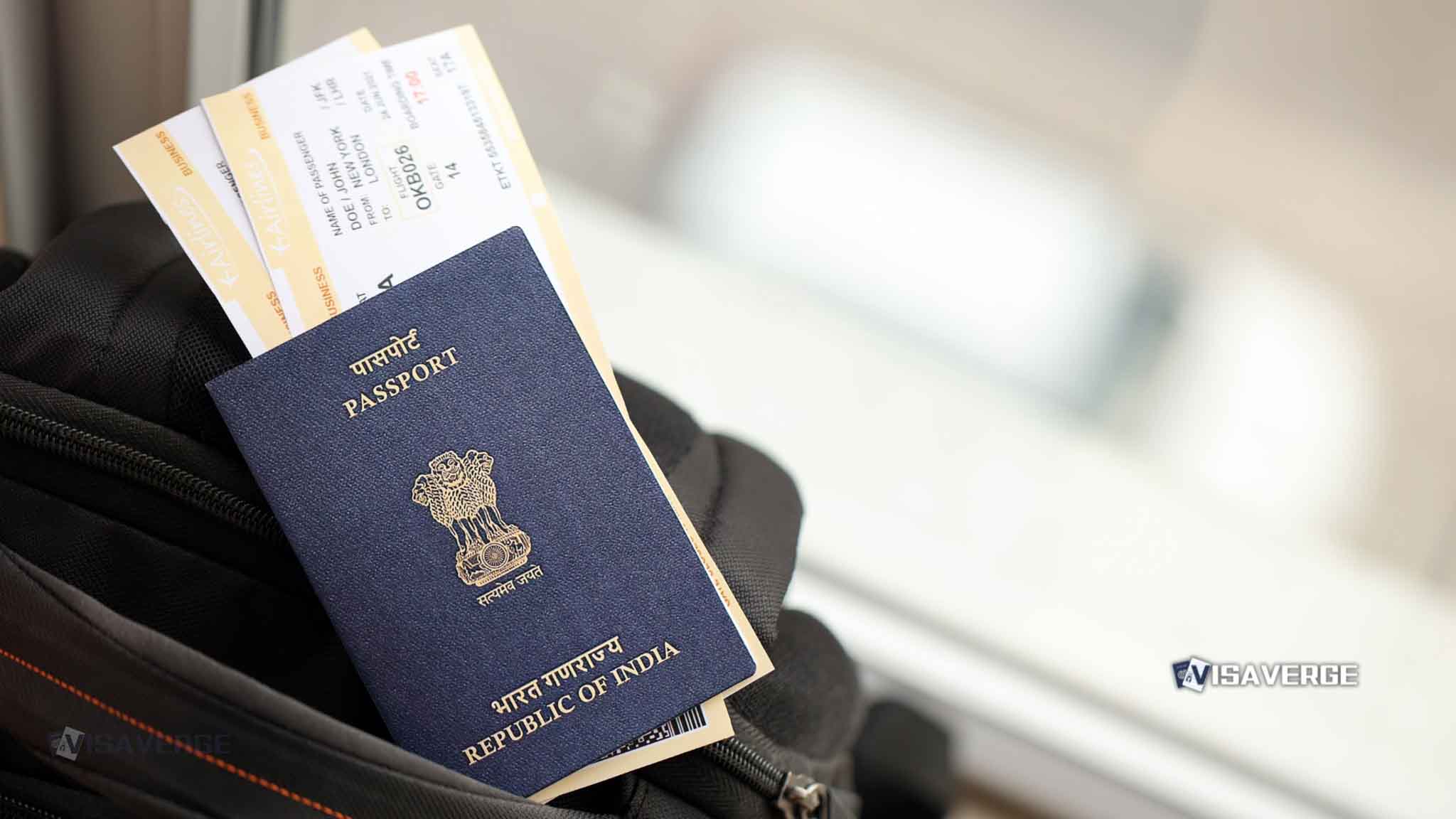
In recent times, the Indian authorities have taken a notable stance against diaspora critics of Indian origin, placing a spotlight on the complexities of international relations, freedom of speech, and citizenship rights. This blog post delves into the intricacies of India Visa revocation among diaspora critics, particularly focusing on those who have been vocal against the policies of the Bharatiya Janata Party (BJP)-led government. By exploring various incidents and statements from individuals affected, we aim to provide a comprehensive overview of the situation, its implications, and the broader context of human rights and government policy in India.
What Led to the Revocation of OCI Visa Status?
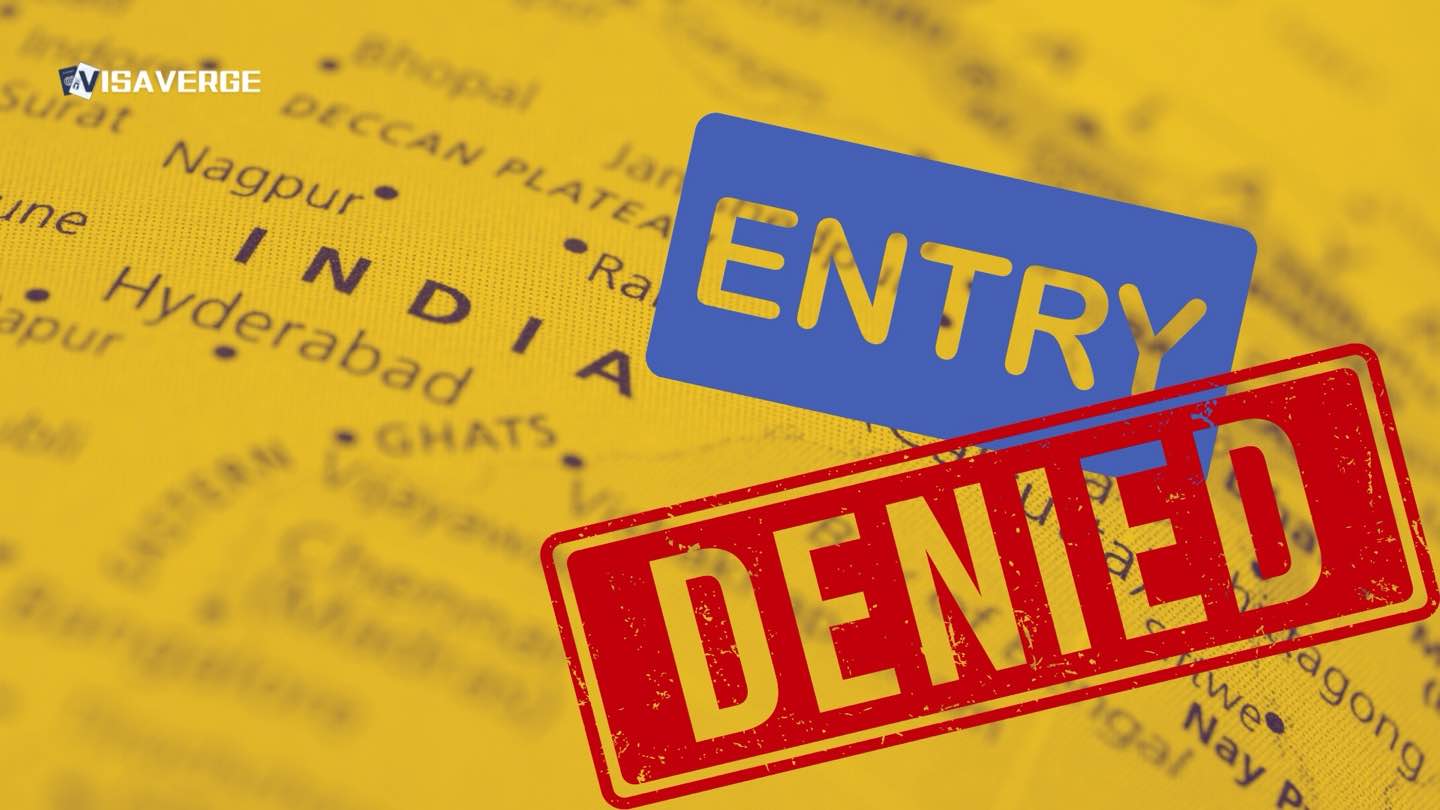
Overseas Citizens of India (OCI) status grants foreign citizens of Indian origin, as well as foreigners married to Indian nationals, significant rights including broad residency privileges and bypassing certain visa requirements. However, it is becoming increasingly clear that this status is vulnerable to revocation, especially for those expressing criticism of the BJP’s policies.
One of the most intriguing aspects of this issue is the symbolism against the backdrop of Indian democracy celebrations abroad, where Prime Minister Narendra Modi has often attended gatherings to laud democratic values, even as his government takes action against dissidents.
Who Are the Affected Diaspora Critics?
The list of those affected includes Indian-origin academics, activists, and journalists who have not shied away from voicing their concerns over what they perceive as the BJP’s Hindu majoritarian ideology. The consequence? A revocation of their OCI visa status, with some challenging this decision in Indian courts on constitutional grounds, asserting their rights to free speech and livelihood.
For instance, Ashok Swain, an Indian-origin Swedish academic, faced revocation of his status in 2022, an action that was quashed by the Delhi High Court. However, in July 2023, he received another order attacking his social media activity for allegedly “hurting religious sentiments” and destabilizing India’s social fabric, despite lacking specific evidence.
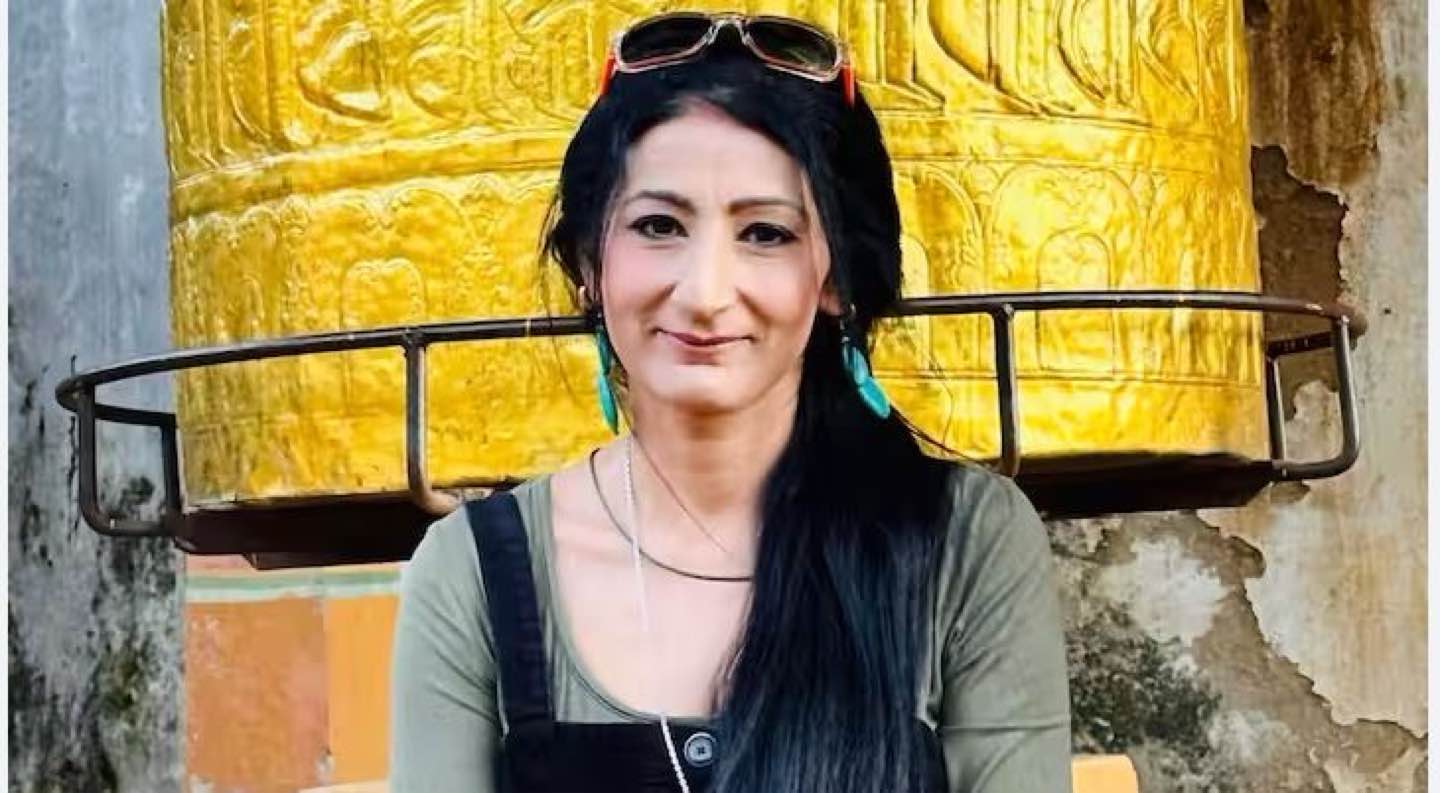
Swain’s situation is not unique. British professor Nitasha Kaul was barred from entering India on February 23, with allegations of her showing “animus” toward the country. Notably, Kaul has been a vocal opponent of the BJP and its policies, especially on human rights issues in Jammu and Kashmir.
The Increasing Use of Politically Motivated Tactics
It’s alarming that such actions are not limited to who can or cannot enter India but extend to those reporting on the country. Around 25 foreign reporters with OCI status working in India as of January 2024 have found themselves entangled in opaque bureaucratic procedures or outright denial of permission to continue their journalism.
One poignant case is that of Vanessa Dougnac, a French journalist with a 22-year residence in India. She decided to leave after receiving a notice intending to cancel her OCI card due to her lack of a permit to work as a journalist—a requirement she was denied without explanation.
What Does This Mean for Human Rights and Free Speech?
The revocation of the OCI visa status for critics underscores a growing unease about the state of human rights and free speech within the Indian diaspora and the international community at large. The International Covenant on Civil and Political Rights (ICCPR), which India is a party to, addresses the rights of aliens and non-discrimination against “all persons,” including non-nationals. Yet, the actions of the Indian government seem to contravene the spirit of these international obligations.
Human Rights Watch Asia Director, Elaine Pearson, underscores this point, stating, “The authorities seem intent on expanding politically motivated repression… to foreign citizens of Indian origin beyond India’s borders.”
Navigating OCI Visa Privileges and Requirements
For individuals of Indian origin living abroad, understanding the OCI visa privileges and requirements is critical. The Indian government offers clear guidelines on who is eligible for OCI status and what rights and limitations come with it. For detailed, authoritative information on OCI visa services, one can visit the official OCI services page.
Moving Forward: Calls for Dialogue and Reform
As India positions itself as a major global player, the international community, especially foreign governments engaging with India on trade and security, are encouraged to take note of these developments. The call is for the Modi administration to engage with critics constructively, creating room for dialogue and necessary reforms, instead of silencing opposition.
In conclusion, the revocation of India Visa status among diaspora critics raises profound questions about the balance between national security, free speech, and the rights of individuals of Indian origin living abroad. This situation warrants close attention and dialogue from all parties involved to ensure that the values of democracy and human rights are upheld in practice, not just in rhetoric.
This Article In A Nutshell:
Indian authorities have revoked OCI visas of critics, sparking debates on international relations and free speech. The move targets diaspora who oppose BJP policies, raising concerns about human rights. Global journalists are also impacted. Understanding OCI guidelines is crucial for the Indian diaspora. Dialogue and reforms are urged for a balanced approach.