- New 2026 vetting policies expand social media screening for students, workers, and humanitarian visa applicants.
- The First Amendment protects peaceful political speech for non-citizens currently residing within United States borders.
- Consular officers possess broad discretionary power to revoke visas for individuals located outside the country without appeal.
(UNITED STATES) Visa revocation is now a sharper risk for foreign nationals who speak out on political causes, join protests, or post controversial material online. But inside the United States, the government still faces constitutional limits: protected speech alone does not justify revocation or removal, and courts continue to draw a hard line between advocacy and conduct that threatens safety.

That distinction matters most for students, workers, and family visa holders who have built lives around study, jobs, and community ties. It also matters for people outside the country, where consular discretion remains broad and revocations can happen without notice, hearing, or appeal.
The new pressure point in visa cases
The biggest shift in 2026 is not a single statute. It is the way vetting, enforcement, and online screening now overlap. The State Department expanded social media and online presence checks on March 30 to more visa categories, including K-1, student, H-1B, religious worker, and humanitarian visas. Public accounts now matter more than before.
Free toolDS-160 Form Filling Online Helper ToolAt the same time, 2026 travel restrictions tied to country of birth, dual nationality, prior residence, and travel history have widened scrutiny at the border. Those measures sit alongside a sharp enforcement record from last year, when more than 100,000 student and worker visas were revoked.
According to analysis by VisaVerge.com, that combination has made political advocacy more risky for visa holders, especially when online posts, campus activity, or protest attendance get pulled into security screening.
Inside the United States, speech still has protection
For non-citizens already admitted to the United States, the First Amendment still protects peaceful political speech. That includes protests, rallies, petitions, social media posts, and support for foreign causes or ideologies, even when those views are unpopular.
The line is crossed when speech turns into conduct that the immigration laws treat as harmful. Direct threats, incitement to imminent violence, material support for designated terrorist groups, property damage, assaults, and blocking traffic during demonstrations can create visa and deportation problems.
Courts have long treated that boundary seriously. The Supreme Court’s Brandenburg v. Ohio standard still matters because it protects advocacy unless it is intended and likely to trigger immediate unlawful action. In immigration cases, that distinction can determine whether a person keeps status or faces proceedings.
ICE guidance has also stressed that revocation or removal based purely on political views invites constitutional challenge. For people inside the country, the government must show deportability through recognized grounds, not simple disagreement with a person’s beliefs.
Outside the country, consular discretion is far broader
The picture changes fast once a person is abroad. Consular officers can revoke a visa at any time, often without warning. There is no hearing and no ordinary appeal. That is the force of consular discretion.
The Supreme Court’s December 10, 2024 ruling in Department of State v. Muñoz reinforced that visa decisions for people outside the country are largely unreviewable unless a constitutional violation, such as discrimination, is shown. For applicants at embassies and consulates, that means the decision often ends the process.
Political advocacy can still be part of the file. So can social media posts, prior travel, and links to countries under suspension or extra review. But the legal reality is blunt: outside the United States, the government has much more room to act, and revocation can happen with no explanation.
The State Department’s visa information page remains the main federal reference point for applicants facing these issues.
Student visas are under the heaviest spotlight
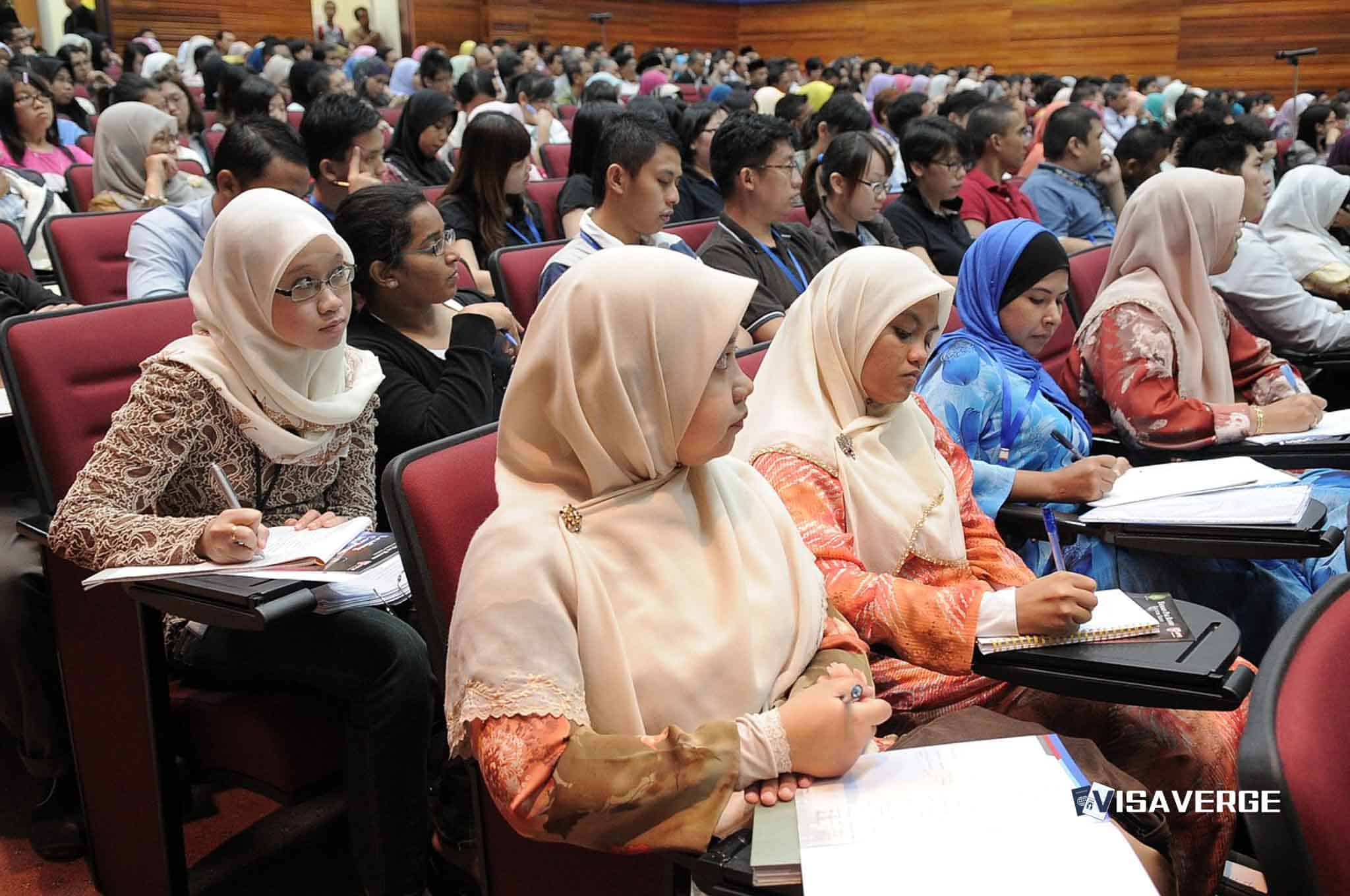
F-1 and J-1 students face some of the sharpest scrutiny because universities have become visible sites of protest. Peaceful campus demonstrations remain protected inside the United States. Yet students can still lose status if officials conclude their conduct crossed into threats, disruption, or support for barred groups.
That is why the line between protest and punishable conduct matters so much for international students. An online post, a chant, an encampment, or a group affiliation can trigger review if officials read it as a security issue. The risk grows when public accounts are open and recent posts are visible.
Students who are already in the country can sometimes seek reinstatement or a change of status. But once a visa is revoked, re-entry becomes far harder. For many, that means interrupted degrees, lost internships, and sudden pressure to leave.
The role of online vetting in political advocacy cases
The March 30 vetting expansion widened the government’s view of a person’s digital footprint. Officials say the goal is national security. Critics say the effect is to chill speech, especially when posts are labeled “controversial” without context.
That concern is not abstract. A person who reposts political slogans, comments on a war, or follows a protest movement can now attract attention long before a consular interview. In practice, political advocacy may be judged alongside travel patterns, aliases, contact lists, and prior public statements.
This is why online history now matters as much as what happens in the street. A peaceful protester with a public account can become a screening file. A visitor with no criminal record can still face visa revocation if officials link the account to security concerns.
When revocation turns into removal
If a person is already in the United States, the government cannot simply cancel a life from a desk. It must start removal proceedings with a Notice to Appear. That opens a path before an immigration judge, and the person may then challenge the allegations.
For people who are outside the country, there is no equivalent safeguard. The visa can be canceled first, and questions asked later. That split is why location matters so much in visa revocation cases.
The same divide explains why political advocacy inside the country receives stronger legal protection than speech made abroad. Once the government treats conduct as a security threat, the case shifts from free-expression law to immigration enforcement.
Families, work visas, and the wider 2026 climate
The pressure is not limited to students. Workers, relatives of U.S. residents, and people waiting for immigrant visas are also feeling the effects of pause orders, tighter screening, and longer review. Immigrant visa suspensions tied to 75 countries have made family and employment cases slower and less predictable.
For applicants with pending cases, the April 2026 Visa Bulletin brought progress in some categories, including movement in EB-2, EB-3, and F-2A. But those advances do not erase the larger enforcement environment. A file can still move on one front while slowing on another.
The practical result is a system where political advocacy, consular discretion, and digital vetting now intersect more than they did a few years ago. People who once assumed peaceful speech was invisible to immigration authorities no longer have that luxury.
Applicants and travelers who face questions about protest activity, online speech, or prior revocations should keep records that show peaceful conduct, legal status, and the context of their expression. In a system built on discretion, documentation often becomes the most important defense.