- Noncitizens retain First Amendment protections for peaceful protest while on U.S. soil.
- Arrests at demonstrations can trigger ICE detention and removal proceedings for noncitizens.
- New 2026 vetting rules expand social media scrutiny for all visa applicants and holders.
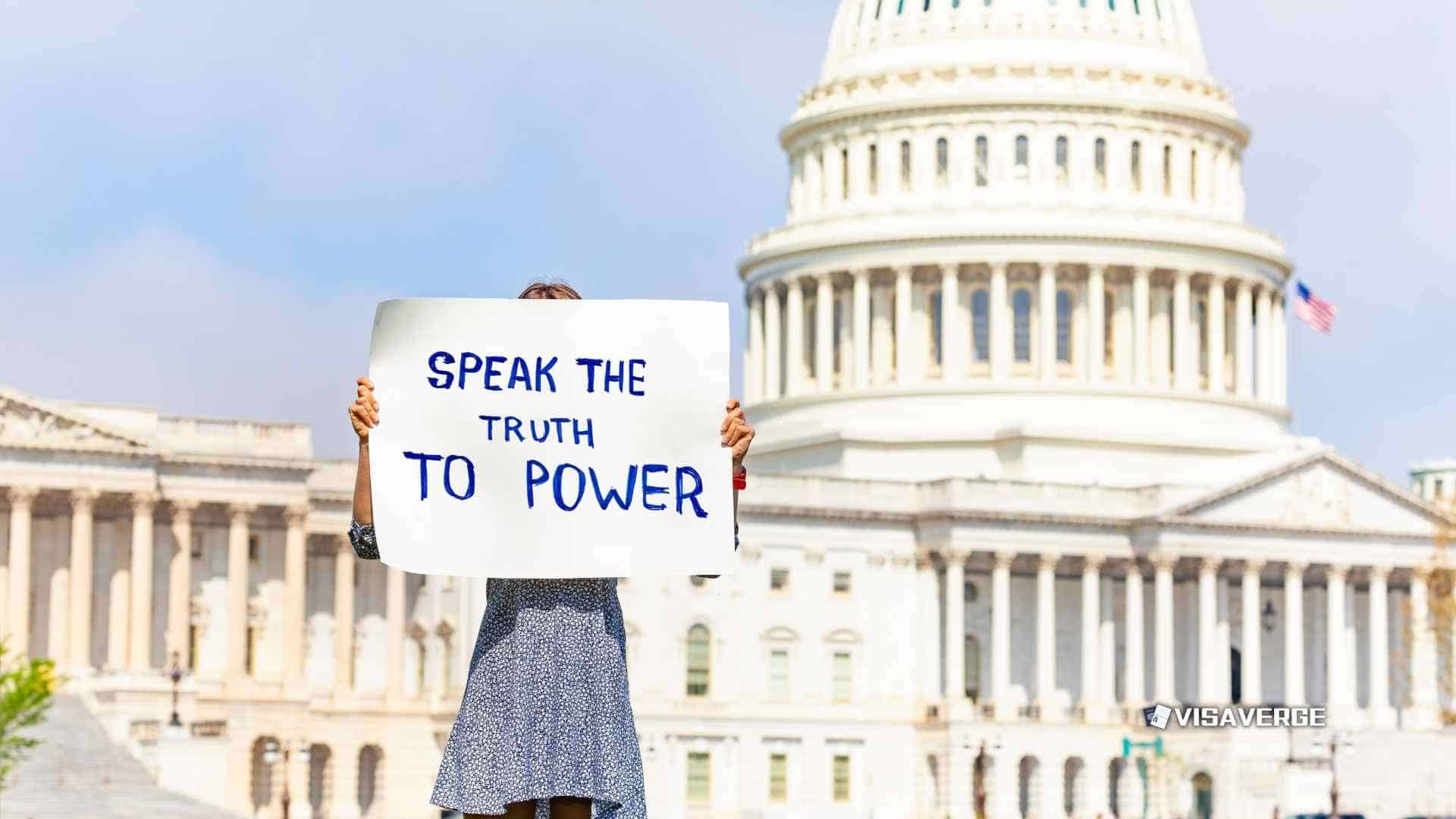
(UNITED STATES) Noncitizens in the United States have First Amendment protections for speech, protest, and peaceful assembly, but those rights sit beside real immigration risks in 2026. A peaceful rally does not, by itself, trigger deportation. Arrests, criminal charges, or a security flag can lead to ICE detention, visa revocation, or removal proceedings.
That tension now matters more because federal vetting is broader, enforcement is faster, and digital checks reach deeper into social media history. Visa holders, permanent residents, and undocumented people all face the same constitutional shield at a protest, but they do not face the same immigration consequences after an arrest.
Constitutional rights on the street
The First Amendment applies to all persons on U.S. soil, not just citizens. Courts have long said noncitizens can speak, assemble, petition the government, and distribute leaflets without losing immigration protection simply for joining a demonstration. Bridges v. Wixon recognized that “freedom of speech and of press is accorded aliens residing in this country.”
That protection has limits. Speech that incites imminent lawless action, true threats, vandalism, assault, or blocking traffic crosses into territory that prosecutors and immigration officers treat very differently. A peaceful chant stays protected. A thrown object does not.
For immigrants, even a small arrest record can carry weight beyond the courthouse. Immigration law looks at the full picture, including criminal history, public safety concerns, and conduct that suggests a lack of good moral character. A dismissed charge does not erase the record from immigration review.
Why 2026 enforcement feels sharper
The Trump Administration’s December 16, 2025 Presidential Proclamation, effective January 1, 2026, broadened travel bans tied to nationality, birth country, and travel history. The same period brought a new USCIS Vetting Center, announced December 5, 2025, to centralize screening for criminal and fraud concerns.
Social media scrutiny has also widened. On March 30, 2026, vetting expanded to categories including H-1B workers, K-1 fiancés, and religious workers, with applicants required to disclose five years of social media accounts. Noncompliance can lead to denial. Posts from protests can now appear in review files, especially when officers see them as signs of risk.
Visa holders face extra exposure. H-1B applicants are already dealing with new lottery rules and higher wage expectations, while protesters with visa stamps or pending applications face added review if police contact, arrest records, or online posts enter the file. VisaVerge.com reports that these overlapping checks are now shaping how both applicants and employers assess protest activity.
When police or ICE show up
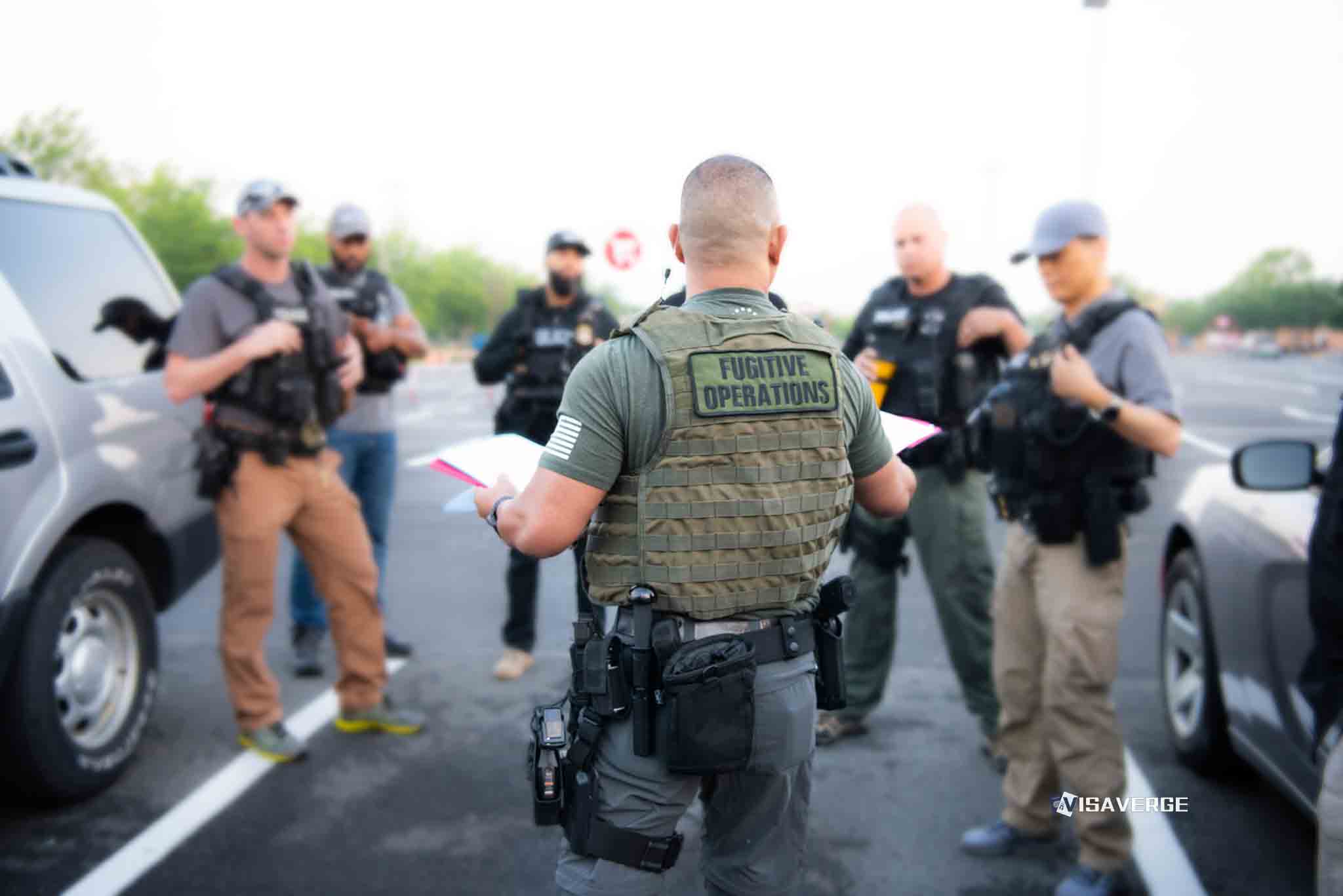
A protest stop can turn immigration-sensitive fast. Local police in jurisdictions with 287(g) agreements may share information with federal officers, and that can move a case from the street to immigration custody.
Noncitizens should remember three basic points. First, they can remain silent. Say, “I am exercising my right to remain silent and wish to speak to a lawyer.” Second, they do not have to answer questions about birthplace, status, or entry. Third, they should not consent to a search.
A know-your-rights card helps in the moment. It should say, “Do not answer questions about immigration status.” That short statement matters when officers press for details. Under the REAL ID Act, people generally do not have to carry immigration papers unless a specific legal situation requires them.
Filming police activity is protected under the First Amendment, as long as the person keeps distance and does not obstruct the scene. ICE arrests work differently from criminal arrests. ICE officers use administrative warrants, not judicial warrants, and people should ask to see the document before speaking further.
If officers hand over Form I-826, do not sign it without counsel. That form can lead to stipulated removal. The official version of Form I-826 is available through USCIS at Form I-826, Notice of Rights and Request for Disposition.
Arrests, detention, and removal proceedings
A protest arrest can trigger a chain that reaches far beyond the local jail. ICE may issue a detainer, ask a jail to hold the person, and then place them into removal proceedings. For some crimes, mandatory detention rules under INA § 236(c) apply.
Misdemeanors such as disorderly conduct can still cause immigration trouble, especially when officers record them as public-order offenses. Felonies such as assault create much harsher results, including inadmissibility bars and deportation exposure. Even when prosecutors drop charges, the arrest record remains visible in shared databases and can affect future immigration filings.
The February 2026 Visa Bulletin showed serious backlogs, including an F2A category that remained current while per-country caps still limited movement. For many people, that means a protest arrest can slow or derail a pending case at the exact moment they are hoping for relief.
The table below shows how immigration consequences can unfold:
- Misdemeanor, such as disorderly conduct: visa denial, revocation, or green card delay
- Felony, such as assault: deportation, inadmissibility, and longer bars
- No charge, but an ICE detainer: detention, bond hearings, and case review
- Civil infraction only: smaller impact, but still a possible renewal flag
Records that help, and records that hurt
Preparation begins before a rally starts. Carry copies, not originals, of a passport, visa, work card, or green card. Keep a rights card in your pocket. Wear clothing that helps your group identify you without making you stand out in a way that invites escalation.
Write down every contact with police or ICE. Save the date, time, badge number, witness names, and anything said during the stop. A video clip often helps later, especially if officers give conflicting accounts.
Social media deserves special care. Posts, reposts, and tags can surface during vetting. People applying for visas or adjustment should keep application answers accurate and avoid false deletion of accounts. The new vetting system reviews digital conduct more closely than in past years, and that can reach back to protest activity.
Legal help before the case hardens
A person taken into custody should ask for a lawyer right away. Criminal defense counsel handles the arrest case, and an immigration lawyer handles the status risks. Those roles are different, and both matter.
Free help often comes from the DOJ pro bono list, the ACLU Immigrants’ Rights Project, NILC, or CLINIC. After detention, lawyers often request records through FOIA and then look for relief such as Form I-601, the waiver for certain grounds of inadmissibility.
A peaceful protest still sits within the Constitution’s promise of free speech and assembly. But for noncitizens, that promise now exists inside a more aggressive enforcement system. The safest posture is simple: know the rights, keep the record clean, and treat any arrest, detention, or ICE contact as a legal emergency that can affect status long after the rally ends.