- TUI CEO Sebastian Ebel launched a large-scale repatriation operation for 10,000 customers stranded in the Middle East.
- The company is prioritizing package-tour travelers and those with urgent medical needs for the first flights home.
- Evacuation efforts depend on obtaining special flight rights and navigating volatile airspace closures during regional conflict.
(GERMANY) — TUI CEO Sebastian Ebel launched a large-scale repatriation operation on March 3, 2026, aiming to evacuate approximately 10,000 of the company’s customers stranded in the Middle East amid regional military conflict and widespread aviation disruption.
Ebel’s plan targets package-tour travelers first, with TUI preparing special flights and working with partner airlines as closures and sudden security incidents upend normal routes across the region.
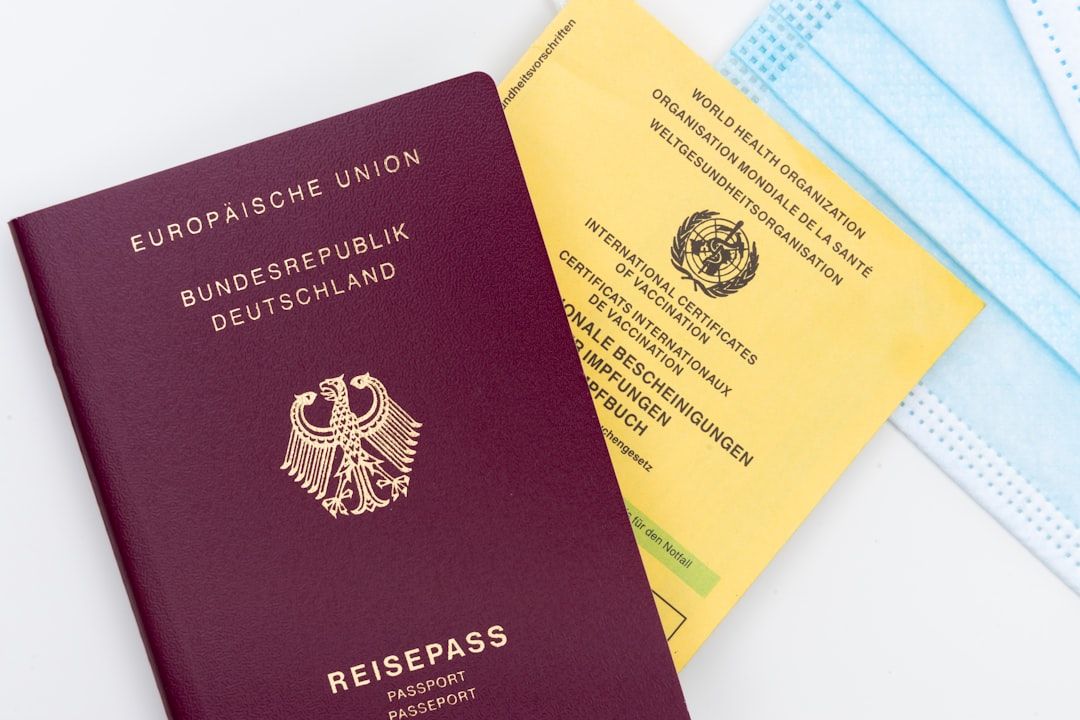
About 30,000 German tourists total are stranded due to the conflict, and TUI’s operation forms one of the biggest organized efforts to move German holidaymakers out of affected destinations within days.
The disruption has spread across multiple travel corridors as airlines contend with airspace closures and severely disrupted local infrastructure, creating bottlenecks at airports and leaving many travelers waiting for a workable path home.
TUI’s approach centers on moving its own customers in stages, with the company setting expectations that the sequence and timing can shift as conditions change and aviation authorities issue or withhold permissions.
Medical situations play a role in who moves first, with the company prioritizing holidaymakers in immediate crisis zones or those requiring care that cannot be guaranteed locally.
TUI’s operational plan combines international airline partnerships with standby aircraft from its subsidiary, positioning both as the company tries to keep passengers moving even when direct flying becomes impossible.
Emirates is part of the coordination effort, alongside Qatar Airways and Etihad, as TUI seeks to rely on Gulf carriers that maintain regional infrastructure and flight licenses despite the volatile security situation.
Those partnerships matter because they can provide access to routes and permissions that shift from day to day, and because large carriers can sometimes re-route through operational hubs when smaller operators cannot.
TUI Fly, the group’s subsidiary airline, has positioned its fleet at European bases on standby, waiting for special flight rights from national aviation authorities to operate direct routes to crisis areas.
Clearances also hinge on coordination with the German Federal Office of Foreign Affairs, which TUI cited as part of the process for obtaining permissions for routes into or near crisis areas.
Ebel acknowledged that reliable predictions about completion timelines are impossible, with every new missile attack and airspace closure capable of disrupting carefully prepared flight plans.
Airspace restrictions remain a primary constraint because they can sever direct connections without warning, forcing flight planners to rebuild schedules while passengers sit in hotels or terminals awaiting the next option.
Local infrastructure problems compound the uncertainty, as disrupted ground services and changing airport operating conditions affect how quickly aircraft can turn around and how safely travelers can be processed.
Many Gulf region airports are currently open only for military purposes or for very limited periods of civilian traffic, limiting the windows in which repatriation flights can depart or arrive.
That environment leaves operators dependent on short-notice approvals, shifting slot availability, and rapidly changing security decisions that can cancel a plan that looked viable hours earlier.
TUI’s initial repatriation flights are primarily destined for Munich, using the southern German city as an early hub to receive returning travelers before they continue onward.
The company’s focus on the most affected package-tour groups means seats can be allocated first to travelers whose itineraries tied them more directly to areas experiencing acute disruption.
Onward connections in Europe remain part of the broader effort in concept, with travelers expected to follow operator instructions as routings and schedules change in response to airspace decisions.
TUI’s coordination with international partners fits into the same staged logic, allowing the company to combine different carriers’ networks and operational access when a single direct path cannot be sustained.
Even with that strategy, flight-by-flight permissions shape what can operate, because special flight rights depend on national aviation authorities and can change as safety constraints shift.
TUI described the special-flight process as tied not only to aviation regulators but also to coordination with Germany’s Federal Office of Foreign Affairs, reflecting the sensitivity of routes into or near crisis areas.
The company’s reliance on a multi-stage approach also reflects the broader reality that travelers stranded across the region include people with different departure points, different documentation situations, and different medical needs.
In practice, that means passengers may need to ensure their travel documents are ready and accessible while they wait for instructions, especially when flight opportunities appear on short notice.
TUI’s emphasis on partnerships with Emirates, Qatar Airways, and Etihad also signals that access to regional infrastructure can matter as much as aircraft availability, particularly when local airports operate on restricted civilian schedules.
TUI Fly’s standby posture at European bases gives the group an option to launch special flights quickly once permissions are granted, but those departures still depend on whether safe routings exist through closed or constrained airspace.
Ebel’s comments on timing underscored the operational fragility of evacuation schedules in an active conflict environment, where a single incident can redraw what routes are viable.
Experts anticipate the complete repatriation will take several days, though the exact duration remains heavily dependent on the volatile security situation and airspace reopening.
That expectation leaves travelers facing a wait that can stretch even as an operation begins, because staged repatriation requires sequencing aircraft, permissions, and airport access rather than moving everyone at once.
TUI’s plan also highlights how travel companies prioritize their own customers during crises, even as broader national demand grows when thousands of citizens from the same country find themselves stranded across a region.
With about 30,000 German tourists stranded and TUI targeting approximately 10,000 of its customers, the company’s effort forms a large slice of the immediate market for seats and operational capacity on workable routes.
The company’s focus on package-tour travelers reflects TUI’s role as an organizer that can contact customers directly, arrange group movements, and coordinate with airlines and authorities as conditions evolve.
Medical prioritization adds another layer, with the operation giving preference to those needing care that cannot be guaranteed locally, especially when limited seat supply forces difficult triage decisions.
Airport constraints remain central to whether that prioritization can be executed, because limited civilian operating periods restrict how many passengers can be processed even when aircraft are available.
Ebel’s acknowledgement about unreliable predictions reflects the constant re-planning that comes with airspace closures, which can invalidate prepared flight plans and push departures to different days or different routings.
That uncertainty forces operators to communicate in rolling updates, with passengers often moved in waves as permissions come through and aircraft can be matched with available corridors.
TUI’s coordination with the Gulf carriers aims to keep those corridors open where possible, leveraging existing licenses and infrastructure that can endure even when security conditions deteriorate.
TUI Fly’s participation adds a second lever, allowing the group to deploy its own planes when direct routes become possible, rather than relying solely on partner capacity.
Munich’s role as an early destination reflects the company’s need for a predictable receiving point, while the wider network of onward travel depends on what connections remain feasible in Europe after arrivals.
As the operation continues, each flight remains tied to authorizations and safety constraints that can change rapidly, leaving the overall timeline dependent on decisions beyond TUI’s direct control even as it tries to bring stranded travelers home within days.