- Rep. Joaquin Castro condemned ICE detention of Meenu Batra on April 18, 2026, escalating a South Texas case.
- Batra, a 53-year-old interpreter, was detained at Harlingen airport despite years of work and a 2000 protection order.
- DHS says Batra still has a final removal order; her lawyers argue withholding of removal blocks deportation to India.
(TEXAS) — Rep. Joaquin Castro publicly condemned the ICE detention of Meenu Batra on April 18, 2026, pushing a South Texas immigration case into a national dispute over how federal authorities treat long-term residents with humanitarian protection.
Batra, a 53-year-old Indian-origin court interpreter who has lived in the United States for roughly 35 years, was taken into custody on March 17, 2026, at Harlingen airport while traveling to Milwaukee, Wisconsin, for a work assignment. Public attention widened on April 19, 2026, as the legal fight over her status drew political scrutiny.

Her case turns on a narrow but consequential immigration question. Lawyers for Batra say an immigration judge granted her a withholding-of-removal order in 2000, protecting her from return to India, while the Department of Homeland Security says she still has a final removal order from that same year and lacks lawful status.
Castro cast the case as a test of enforcement priorities. “Meenu Batra is the only Punjabi, Hindi, and Urdu court interpreter in Texas. She had spent most of her life in Texas, working and raising her kids. ICE detained her despite having humanitarian protection. [The] mass deportation campaign isn’t going after the worst of the worst. It’s targeting contributing members of our communities and breaking apart families.”
Batra is widely described as the only licensed Punjabi, Hindi, and Urdu court interpreter in Texas. She has spent more than 20 years assisting courts, including immigration courts, in proceedings involving South Asian speakers.
That professional role has given the case unusual visibility. Supporters have presented her not as a recent arrival, but as a long-term resident whose work sits inside the legal system now holding her.
Records cited by her legal team trace her case to violence in India. Batra fled anti-Sikh violence in the late 1980s, came to the United States in the early 1990s, and later received withholding of removal from an immigration judge in 2000 because of the danger she could face if returned to India.
DHS has taken a different legal view. The department said Batra entered the country illegally at an unknown time and place, was issued a final order of removal in 2000, and remains removable despite having employment authorization.
A DHS spokesperson stated on April 15-16, 2026: “Employment authorization does NOT confer any type of legal status in the United States.” On April 18, 2026, DHS added: “[Batra] has a final removal order dating back to 2000 and will remain in ICE custody pending removal and will receive full due process.”
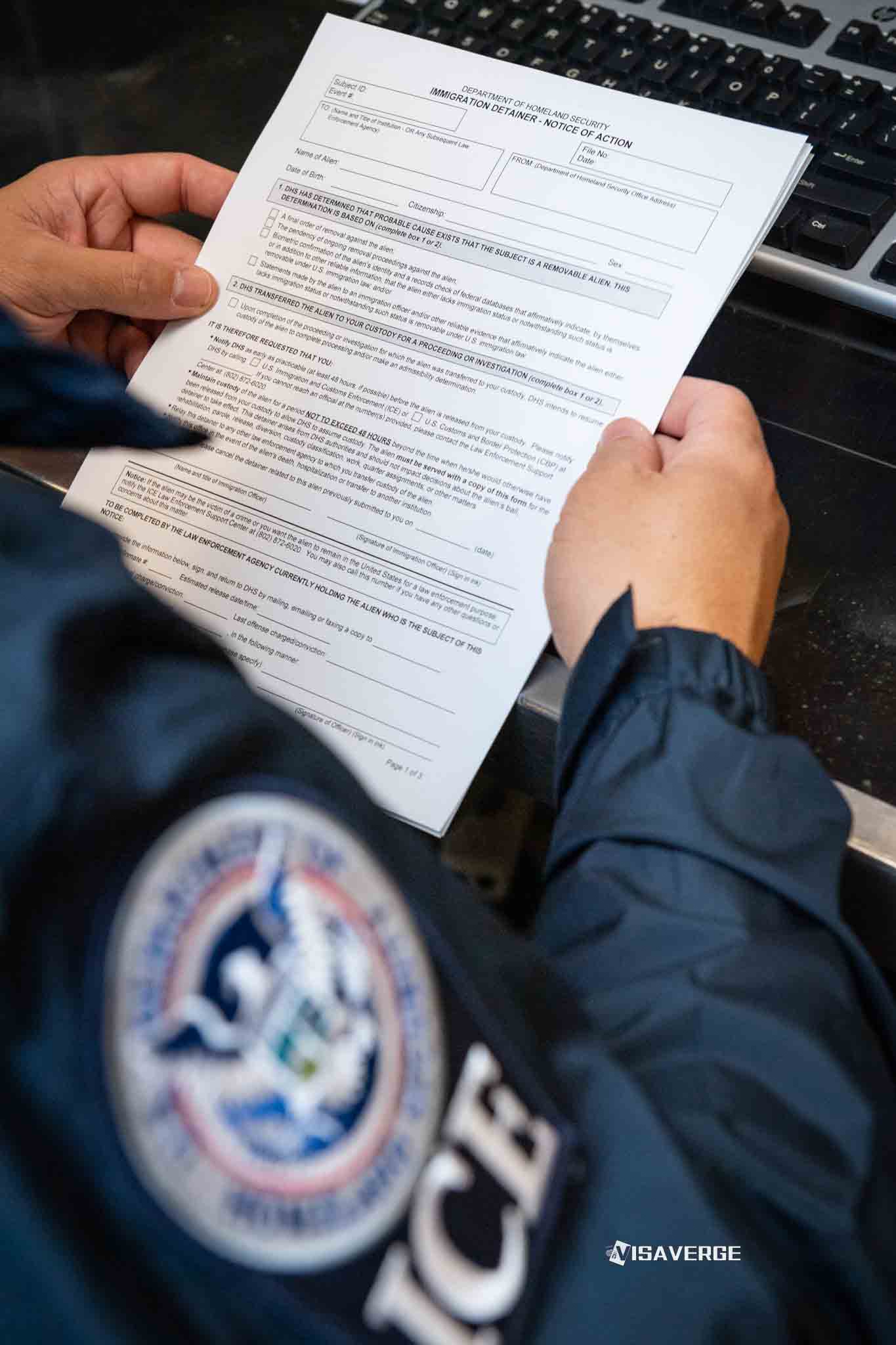
The legal distinction sits at the center of the dispute. Withholding of removal blocks deportation to a country where persecution is likely, but it does not erase the underlying removal order and does not grant permanent immigration status.
That leaves recipients in a narrow category. They can have protection from return to a specific country and permission to work, yet still face detention if the government treats the old removal order as active.
Batra’s attorneys argue that her protection and work authorization allowed her to live and work lawfully for years. DHS argues that employment authorization does not change the existence of the removal order and does not shield her from custody.
Federal authorities detained Batra at Valley International Airport in Harlingen, Texas, while she was clearing security for her trip to Wisconsin. Her detention has since become a flashpoint over what a withholding-of-removal order still means after decades of residence, work history, and family ties in the United States.
Those family ties have drawn added notice. Media attention around the case has highlighted that Batra raised four adult U.S. citizen children in South Texas and that her youngest son, Jasper, recently enlisted in the U.S. Army.
Jasper has filed a parole application on her behalf. He said it feels like a “betrayal” to serve a country that is detaining his mother.
Questions about detention conditions have widened the fight beyond immigration status alone. In a habeas corpus petition filed in the Southern District of Texas, Batra alleged that officers held her for 24 hours without food or water and denied necessary medication for several days.
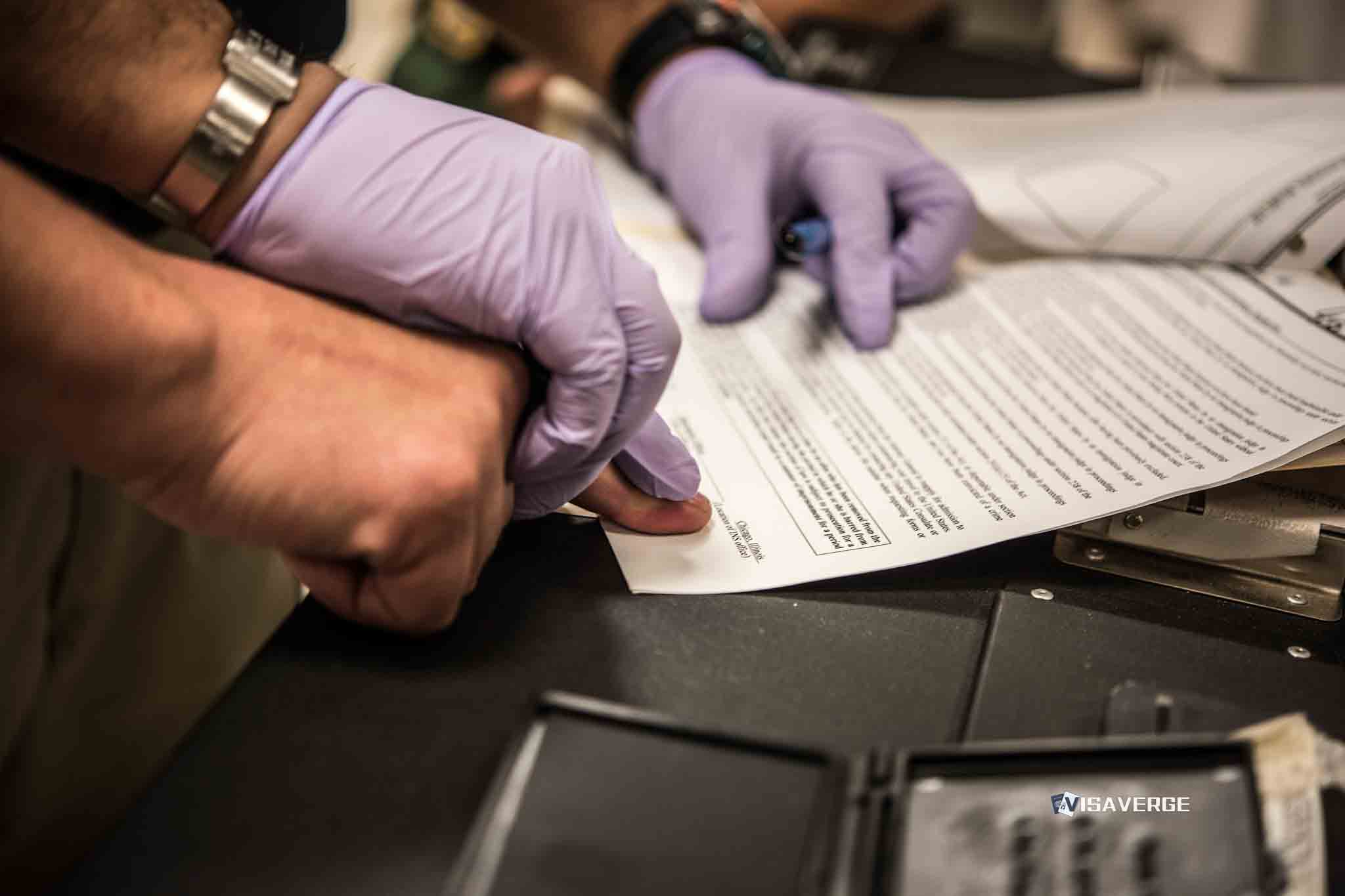
She also alleged that ICE officers forced her to pose for photographs while handcuffed and told her the images were “for social media.” She described the experience as “humiliating” and said she was “treated like a criminal.”
Those claims now sit alongside the legal challenge to her custody. Habeas petitions in immigration detention cases often turn not only on removability, but also on whether the government followed lawful custody procedures and honored existing protection orders.
The government has until April 21, 2026, to respond to the petition seeking Batra’s immediate release. That filing schedule gives the case a near-term deadline as the political pressure builds.
Castro’s intervention has sharpened the public framing. He tied Batra’s detention to a wider debate over whether immigration enforcement is focusing on people with deep community roots, military family connections, and no reported serious criminal history.
DHS has answered with a harder line on legal status. In related communications, a department spokesperson said the agency is encouraging “illegal aliens” to “self-deport,” regardless of how long they have lived in the country.
That language places Batra’s case inside a wider enforcement posture. Her supporters see a woman who spent decades working in Texas courts and raising a family; DHS sees a person with a final removal order who remains removable under federal law.
The dispute has also drawn attention because of Batra’s role in courtrooms across Texas. As the only licensed interpreter in the state for Punjabi, Hindi, and Urdu, she has served as a bridge for litigants and immigrants who rely on precise interpretation in legal proceedings.
Her absence reaches beyond one family. Courts and lawyers who work with South Asian speakers now face the loss of a specialist whose job requires both language skill and trust in high-stakes hearings.
That professional standing has fed due-process concerns raised by supporters. They argue that detaining a longtime interpreter who helped people move through the court system sends a hard message about how the government is treating residents with old humanitarian protections.
The case also exposes the limits of withholding relief itself. A withholding-of-removal order can prevent deportation to India, but DHS has argued that it does not prevent removal to a third country and does not convert the recipient into a lawful permanent resident.
That reading leaves long-term recipients exposed to detention years after their original immigration proceedings ended. People in that category can work and build lives in the United States while never escaping the force of the old removal order in the government’s records.
Legal arguments around Batra’s case have pointed to a February 18, 2026, DHS memo, described as the “Refugee Detention Policy,” that expanded the use of detention for non-citizens who have not adjusted to Lawful Permanent Resident status. Her detention has become an early test of how that approach reaches people with longstanding humanitarian protection.
Batra’s personal timeline gives that policy fight a human face. She arrived in the United States after her parents were killed during religious violence in India, settled in South Texas, and spent decades building a career inside the state’s legal system.
Now the same system is weighing whether federal officers can continue holding her while the government pursues removal under an order issued in 2000. The answer could shape how other long-term residents with similar records view their own risk of ICE detention.
Castro’s criticism on April 18-19, 2026, ensured the case would not remain a local custody dispute. It has become a national argument over how far DHS can press a final removal order against someone who has lived in the country for decades under humanitarian protection.
At stake is more than Batra’s release. Her case asks what protection remains for a long-term resident when the government accepts that an immigration judge barred her return to one country, yet still moves to detain her first and sort out the limits of that protection afterward.