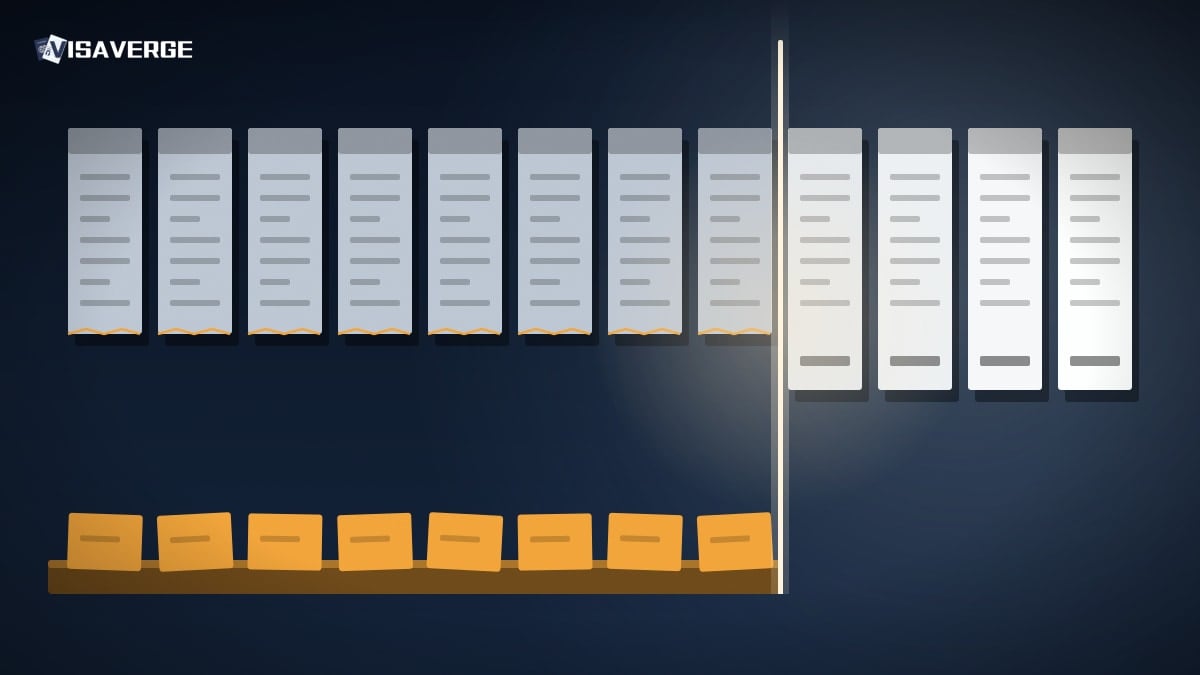
- Deferred tax records the future tax consequences of temporary timing differences between accounting and tax reporting.
- A deferred tax asset provides future relief, while a liability represents future obligations from current benefits.
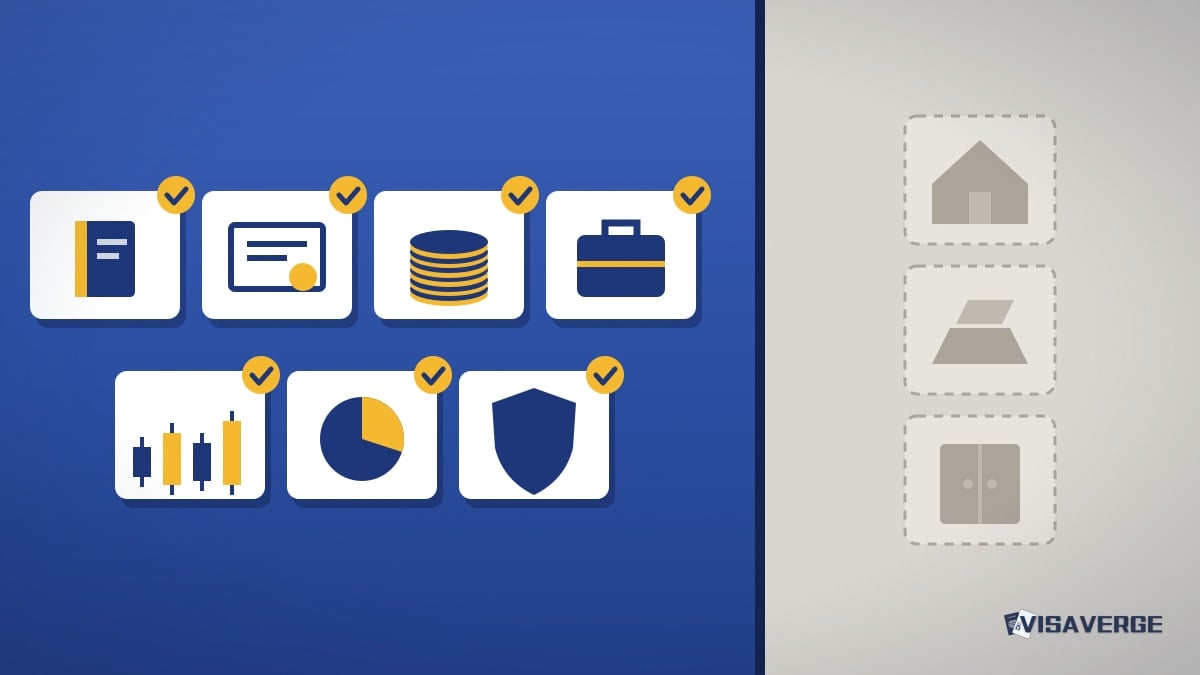
- Recognition under IAS 12 depends on probable future profits and the expected reversal of timing gaps.
Accounting standards such as IAS 12 treat deferred tax as the future tax consequence of temporary differences between the carrying amount of assets or liabilities and their tax base, turning what often looks like a technical footnote into a core part of financial reporting.
Deferred tax arises because accounting profit and taxable profit often do not match in the same year. When that gap comes from timing and is expected to reverse later, companies record the future tax effect in current accounts.

That entry does not create a new levy. Deferred tax is an accounting recognition of future tax effects, either taxes that may become payable in later years or taxes that may become recoverable later because tax law and financial reporting rules recognize income and expenses at different times.
A business usually works with two sets of numbers. One is accounting profit under the applicable accounting framework, and the other is taxable profit under the tax law of the country concerned.
Those numbers diverge for routine reasons. Accounting rules and tax rules often do not recognize depreciation, provisions, revenue, or losses in the same period, and the gap between them produces temporary differences.
Temporary differences sit at the center of deferred tax. They are the differences between the carrying amount of an asset or liability and its tax base, and they matter because they are expected to affect taxable profit in future periods when the asset is recovered or the liability is settled.
Not every difference between book profit and taxable profit creates deferred tax. Permanent differences do not reverse in future years, so they generally do not produce a deferred tax balance.
That distinction shapes the accounting result. Only differences expected to reverse over time create deferred tax, which is why deferred tax analysis so often focuses on depreciation timing, provision disallowances, revenue recognition, and carryforward losses.
A deferred tax asset, or DTA, represents future tax relief. It arises when a business is likely to receive a deduction or tax benefit in a later year because of deductible temporary differences, unused tax losses, or unused tax credits.
A deferred tax liability, or DTL, represents a future tax obligation. It arises when current accounting treatment produces lower tax now, but that benefit is expected to unwind and raise taxable income later.
The two are not treated the same way in recognition. IAS 12 generally requires recognition of a deferred tax liability for taxable temporary differences, subject to specific exceptions, while recognition of a deferred tax asset depends on probable future taxable profit against which the tax benefit can be used.
In practice, deferred tax often starts with depreciation. A company may use one depreciation method or rate in its financial statements and a different rate or method under tax law, especially where tax rules allow accelerated depreciation in earlier years.
That pattern can lower taxable profit in the current period while leaving accounting profit higher. The tax bill falls now, but later periods may carry lower tax deductions, which pushes taxable profit higher and creates a deferred tax liability.
Provisions and allowances create another common source of deferred tax. A business may recognize doubtful debts, warranty costs, employee benefits, or expected losses in its books before tax law permits any deduction.
In that case, the expense reduces accounting profit now but does not reduce taxable profit yet. If the deduction becomes available later, the future tax relief can create a deferred tax asset.
Revenue recognition can move in either direction. Income may appear in accounting books before tax law treats it as taxable, or tax law may tax it earlier than accounting standards recognize it as revenue, producing either a DTA or a DTL depending on how the temporary difference reverses.
Carryforward losses and unused tax credits also matter. A business that has incurred losses may be able to carry them forward and offset them against future taxable income, but the accounting recognition of that benefit still depends on whether future taxable profit is probable.
A standard illustration of a deferred tax liability comes from machinery. If a company charges depreciation of ₹10 lakh in its books for the year, but tax law allows ₹18 lakh as a deduction in that same year, taxable profit drops below accounting profit and the company pays less tax now.
The lower payment is not a permanent saving. Because tax depreciation has been accelerated, later years may carry lower deductions, which pushes future taxable profit up and leaves the current period tax saving recorded as a deferred tax liability.
A deferred tax asset can be illustrated through doubtful debts. If a company recognizes a provision of ₹5 lakh in its financial statements, but tax law allows deduction only when the debt is written off or other statutory conditions are met, accounting profit falls now while taxable profit does not.
If the deduction becomes available later, the company receives tax relief in a future period rather than the current one. That expected benefit is recorded as a deferred tax asset, subject to recoverability.
Measurement follows the tax rates expected to apply when temporary differences reverse. Deferred tax is not built on broad approximation; it is linked to the tax consequence expected when the carrying amount of the asset is recovered or the liability is settled.
That also means deferred tax balances can change when tax rates change or tax law is altered for future periods. A new rate can require remeasurement, even if the underlying asset or liability has not otherwise changed.
Deferred tax does not remain on the balance sheet indefinitely. It reverses when the underlying temporary difference reverses, which is why the concept is, at its core, a timing issue.
A deferred tax liability reverses as earlier tax benefits unwind. A deferred tax asset reverses when the delayed deduction or tax relief is finally realized.
Recoverability remains the hardest part of deferred tax asset accounting. Large carried forward losses or deductible temporary differences do not, by themselves, justify a large DTA on the balance sheet.
The company must assess whether future taxable profits are probable enough to absorb those benefits. IAS 12 ties DTA recognition to that expectation, which makes management judgment central and leaves loss-making companies under closer scrutiny.
That judgment can change over time. A business that looked capable of using a deferred tax asset in one year may need to reduce it later if expected profits weaken.
Deferred tax also needs to be separated from current tax. Current tax is the tax payable or recoverable for the present period based on taxable profit or tax loss for that period, while deferred tax reflects the future tax effect of temporary differences that exist at the reporting date.
That difference helps explain why tax expense in the profit and loss account can diverge from the tax actually payable for the year. Financial statements may include both current tax and deferred tax, and the combined figure can move even when cash tax does not.
The accounting effect reaches beyond the tax note. Deferred tax can alter reported earnings and equity, while leaving current cash tax unchanged, which makes it relevant to investors, lenders, acquirers, auditors, and regulators reading a company’s accounts.
Large deferred tax assets tied mainly to losses can point to a heavy reliance on future profitability assumptions. Large deferred tax liabilities can show that a company has benefited from timing-based tax relief that will reverse in later periods.
The concept also travels across accounting systems. IAS 12 under IFRS and Ind AS uses the temporary differences approach for recognition and measurement, while U.S. GAAP Topic 740 also deals with the future tax effects attributable to temporary differences and carryforwards.
Several misunderstandings persist. Deferred tax does not mean tax has been evaded or permanently avoided, and a simple comparison between accounting income and taxable income does not always reveal whether the result is a DTA or a DTL.
The correct analysis depends on the underlying temporary differences, the tax base of assets and liabilities, and the way those differences are expected to reverse. That is why deferred tax remains one of the points where tax law and financial reporting meet most directly.
Read carefully, deferred tax offers a view into the future tax consequences already embedded in today’s balance sheet. It shows whether tax relief has been pulled forward, delayed, or made contingent on profits that have not yet been earned.