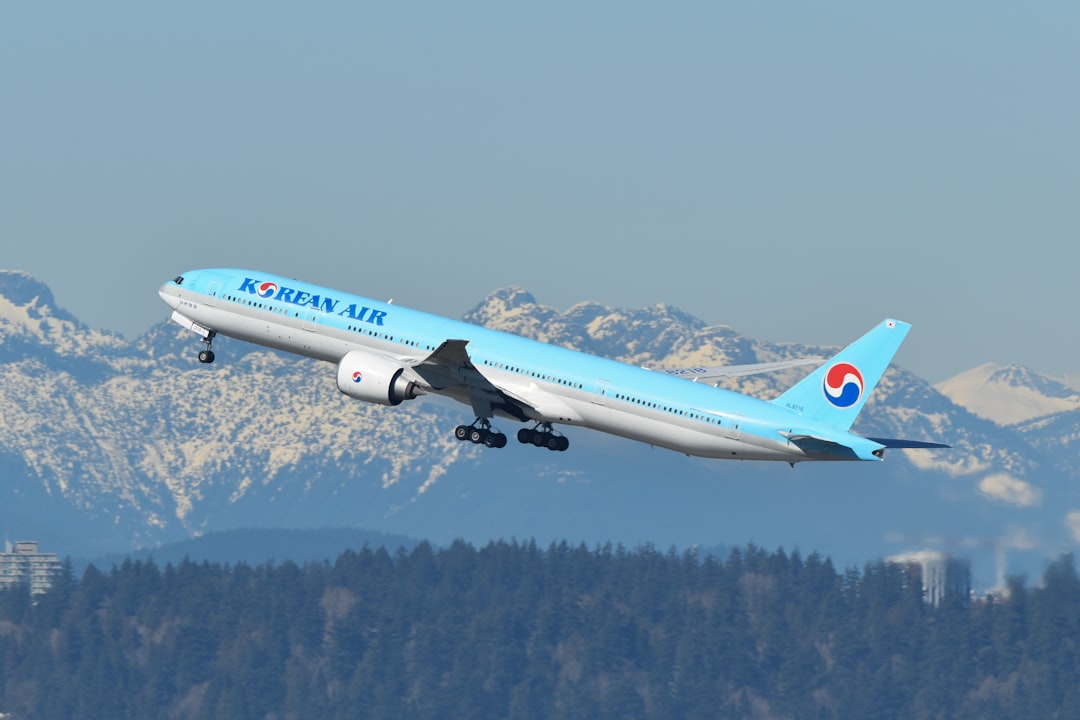
(UNITED STATES) Korean Air has signed a record-breaking purchase with Boeing for 103 aircraft, a deal the companies announced on August 25, 2025. At list prices, the order is valued between $36.2 billion and $50 billion, making it the largest single order in the airline’s history and the largest widebody order from an Asian carrier to date. The signing took place in the presence of senior officials, including U.S. Secretary of Commerce Howard Lutnick and South Korea’s Minister of Trade, Industry and Energy Kim Jung-kwan, underlining the commercial and policy weight behind this move.
Order background and composition
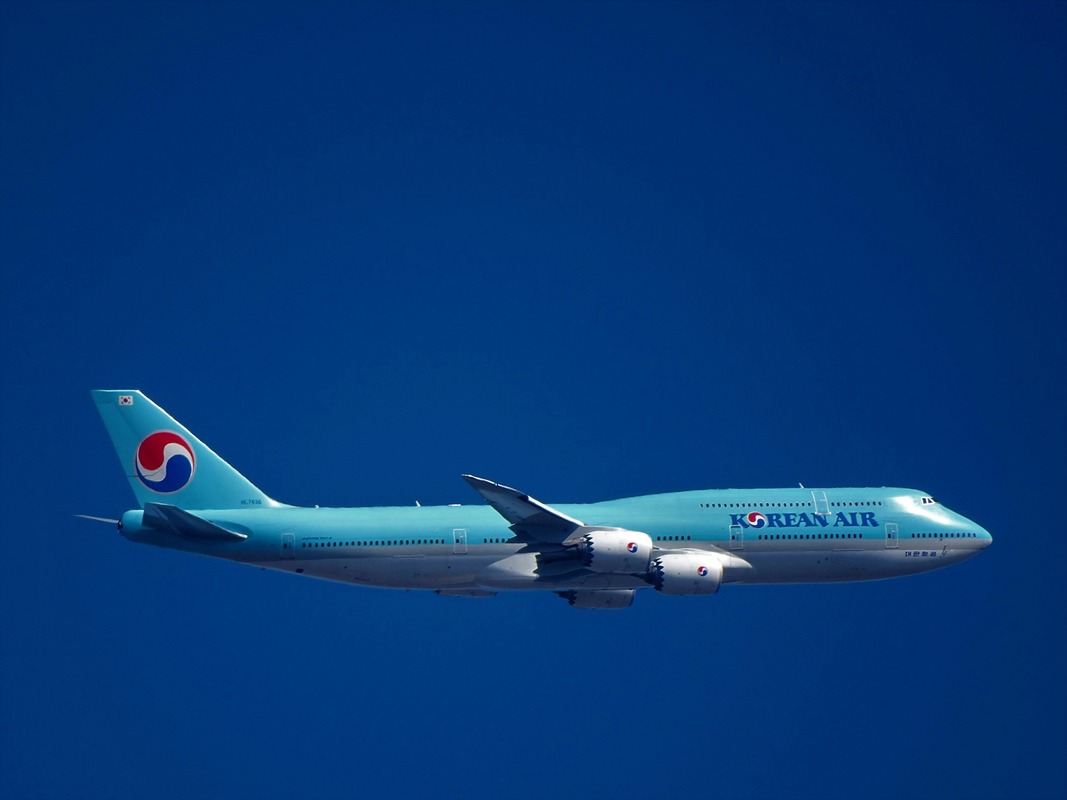
The order builds on Korean Air’s March 2025 commitment for 40 Boeing widebody jets, pushing its total Boeing orders in 2025 past 150. The new package includes a mix designed to refresh the fleet and expand long‑haul reach:
- 50 Boeing 737 Max 10s
- 8 Boeing 777-8 Freighters
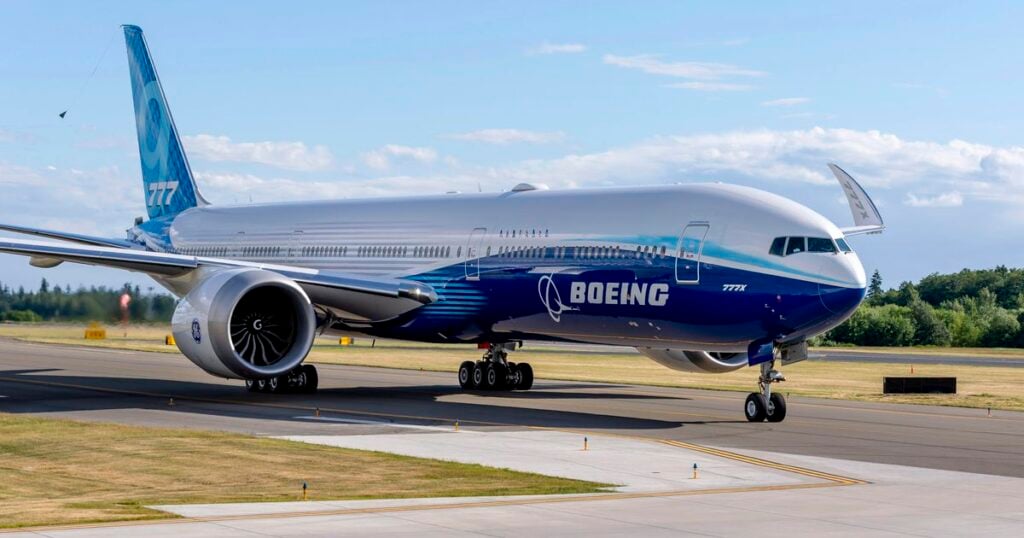
- 20 Boeing 777-9s
- 25 Boeing 787-10s
Additional elements:
– 19 spare engines — 8 from CFM International and 11 from GE Aerospace, worth about $690 million
– A 20-year GE Aerospace MRO contract covering 28 aircraft
Korean Air calls the order central to its plan to merge with Asiana Airlines and to operate as a stronger combined carrier across Asia, North America, and Europe.
Quotes from leadership
- Korean Air CEO Walter Cho said the next‑generation planes will drive fuel savings and improve the passenger experience across its network. He framed the order as key to the airline’s future with Asiana, helping the merged company compete at the top of the industry.
- Stephanie Pope, CEO of Boeing Commercial Airplanes, said the deal deepens the companies’ long relationship and affirms the value of Boeing’s airplane family.
“The next‑generation planes will drive fuel savings and improve the passenger experience.” — Walter Cho
Operational and workforce implications
For travelers and workers, the scale of this order goes beyond fleet charts. More modern aircraft can open new city pairs and add seats on busy routes, especially across the Pacific. That often means:
- More crew rotations and cross‑border assignments
- Additional training for pilots and maintenance staff
- Increased movement of specialists from suppliers to install equipment, perform checks, and train local teams
Visa and mobility planning
– Moves like these typically rely on well‑known visa categories for short‑ and long‑term work (engineers, managers, trainees).
– According to analysis by VisaVerge.com, large cross‑border fleet programs often prompt companies to plan years ahead for mobility needs — from campus pipelines to intra‑company transfers — so teams are in place before first delivery.
Practical advice for employees:
– Keep records current, plan early with employers, and expect background checks and licensing reviews to influence travel dates.
Certification, production, and delivery timelines
Several airplane types in the deal — including the 737 Max 10, 777‑8 Freighter, and 777‑9 — still require final certification. That work falls under national aviation regulators; in the U.S., approvals run through the Federal Aviation Administration (FAA).
- Readers can track the certification process via the FAA’s official page: FAA Aircraft Certification
Korean Air and Boeing said:
– Deliveries are scheduled to start later this decade and will stretch well into the 2030s, aligning with the Asiana integration and broader fleet renewal.
Staged process for the program
Korean Air has outlined a staged approach:
- Agreement signing — Headline commitment (August 25, 2025).
- Order finalization — Converting options to firm orders in phases.
- Production and certification — Running in parallel, tied to regulator approvals and Boeing’s build schedule.
- Integration and operations — Bringing jets into the merged Korean Air‑Asiana fleet, with GE’s MRO support for 28 aircraft over 20 years.
Policy, industry, and economic context
From a policy lens, the deal highlights Asia’s growing role in global aviation growth. Analysts note:
- The order helps Boeing regain ground in a region where Airbus has gained share.
- It is seen as a boost for Boeing after setbacks tied to the 737 Max program and production issues.
- Large orders of this size can mean steady demand for pilots, mechanics, and avionics technicians — fueling training programs, simulator centers, and maintenance bases across borders.
Public interest and signaling
– The presence of American and Korean trade leaders at the signing signals this program is a long‑term endeavor with strategic and export implications.
Risks and financial considerations
Korean Air’s buying plan carries risk. A commitment that could reach $50 billion exposes the airline to fluctuations in:
- The global economy
- Fuel prices
- Travel demand
Analysts’ perspective:
– The airline is betting that scale and a younger fleet will reduce operating costs and preserve traveler loyalty — especially on long‑haul routes where fuel efficiency and reliability matter most.
– The GE Aerospace support agreement aims to stabilize maintenance costs through planned maintenance and parts coverage.
Consumer impacts
Newer widebodies such as the 777‑9 and 787‑10 offer higher capacity with lower fuel burn per seat. Consumer effects may include:
- More nonstop route choices on transpacific services
- Increased seat availability on peak routes and steadier fares
- Improved on‑time performance as older jets are retired
Benefits for Boeing and suppliers
Boeing stands to gain:
- Predictable demand across the 2030s to plan staffing, supplier schedules, and certification resources
- Support for U.S. export activity that trade officials watch closely
For suppliers and training providers:
– More consistent workloads, increased training partnerships, and potential expansion of maintenance and simulator facilities
Outlook and takeaways
Aviation analysts view the order as a vote of confidence in Boeing as the company works to restore trust with regulators and customers. They also note Asia’s central role in future aviation growth and suggest more large orders could follow as carriers prepare for:
- Stricter emissions rules
- Rising demand
Korean Air’s official information is available at Korean Air. Boeing’s updates on orders and deliveries can be found in the company’s media room at Boeing Media Room. Details on the maintenance agreement provider are posted by GE Aerospace. VisaVerge.com reports that the order’s mix of narrowbody and widebody jets suggests Korean Air is preparing for both regional expansion and longer routes, with mobility needs that will span pilots, engineers, and ground teams as each phase rolls out.
For now, the headline is simple: a record order — 103 aircraft — a long runway for deliveries, and a plan to knit two airlines into one stronger carrier. Certification, staffing, training, and route maps will unfold step by step in the years ahead.
This Article in a Nutshell
Korean Air ordered 103 Boeing jets on August 25, 2025—valued up to $50 billion—to modernize its fleet, support Asiana integration, and expand long‑haul capacity with deliveries into the 2030s.