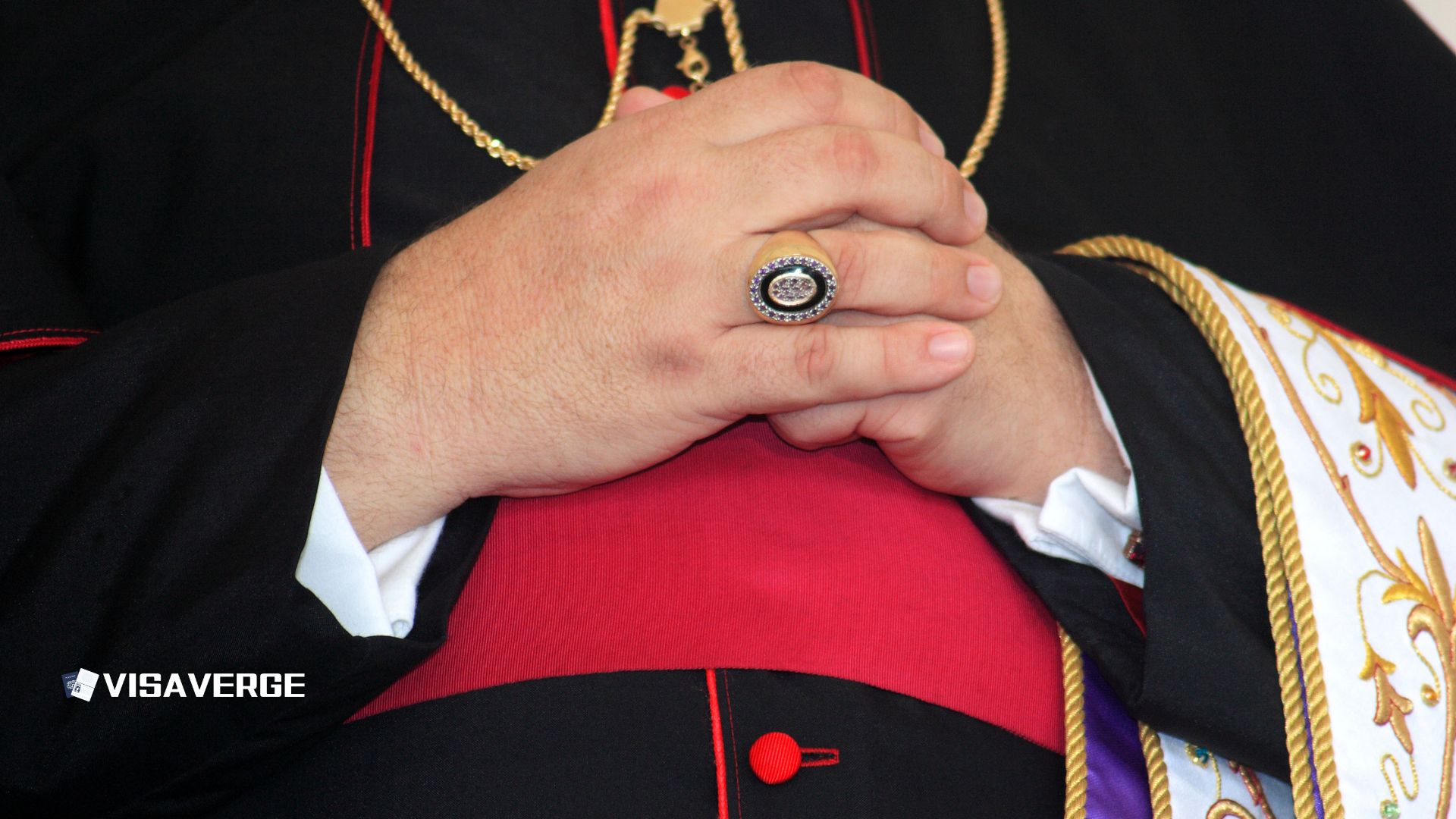
(WASHINGTON, D.C.) A sweeping immigration crackdown in Washington, D.C. has upended daily life for immigrant families centered around the Shrine of the Sacred Heart, a historic Catholic parish in Columbia Heights. Since a federal enforcement surge began in August 2025, parish leaders say more than 40 congregants have been detained or deported, pushing many families to skip Mass, keep children home, and avoid even basic errands out of fear.
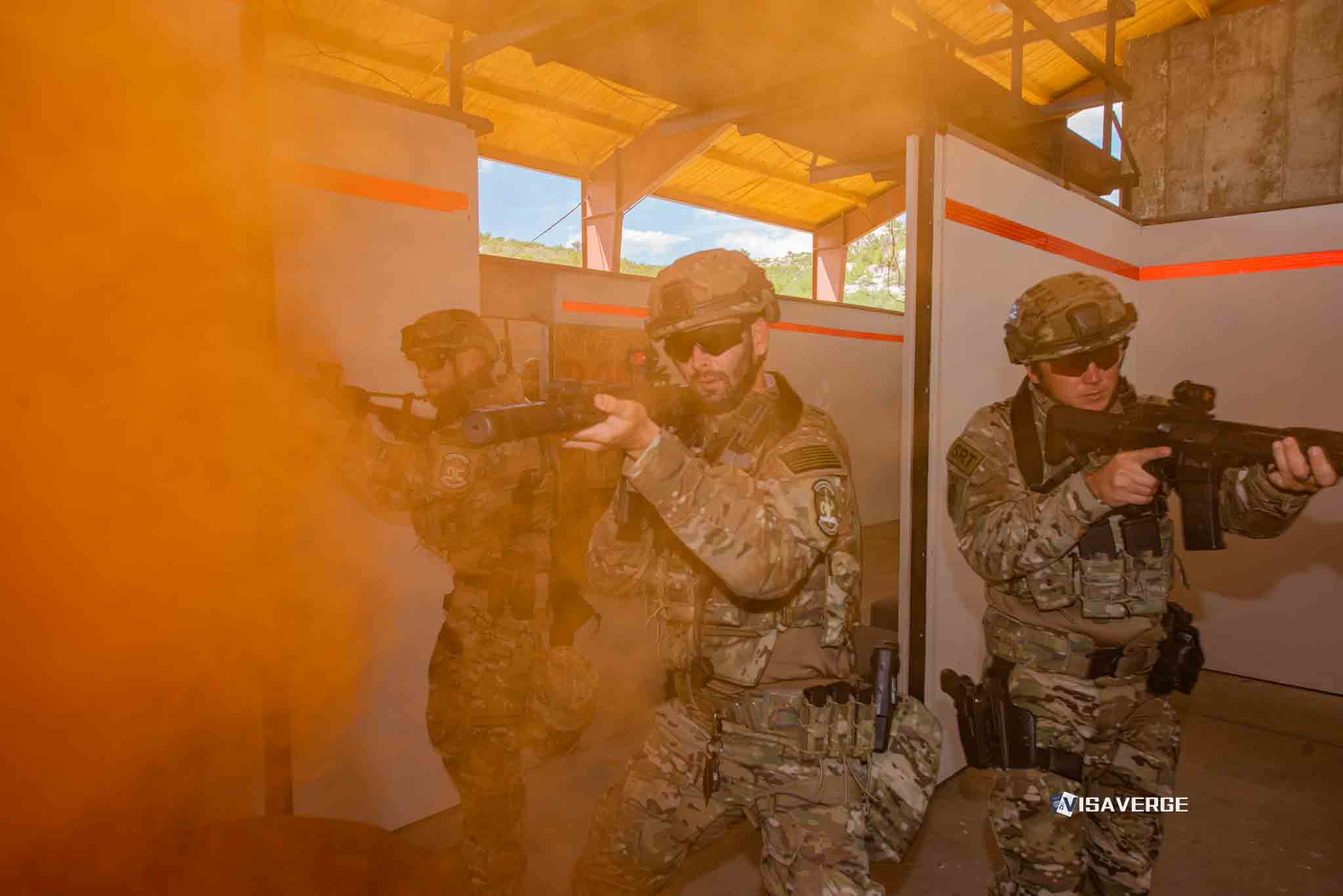
The official surge ended on September 10, but parishioners report that immigration agents and National Guard troops remain visible near the church and throughout nearby Mt. Pleasant, deepening worries that ordinary trips to school or the grocery store could lead to arrest.
A congregation divided and daily life disrupted
Church staff describe a congregation split in two: those who still come to Mass and those who stay behind closed doors. Attendance has fallen by about half, according to parish accounts.
Free toolUSCIS Receipt Number Decoder- Some parents have pulled children from the parish school rather than risk an encounter during drop-off.
- Many of those students are U.S. citizens with undocumented parents.
- To prepare for worst-case scenarios, some parents have signed legal affidavits naming trusted adults as temporary guardians if they are detained, hoping to keep their children out of foster care.
“Fear must not decide who gets to go to school, pray, or buy food,” Cardinal Robert McElroy said as he denounced the crackdown as an “instrument of terror.” He and Auxiliary Bishop Evelio Menjivar have been present with parishioners at the Shrine of the Sacred Heart, walking with them to immigration court and community meetings.
Enforcement: official stance vs. parish reports
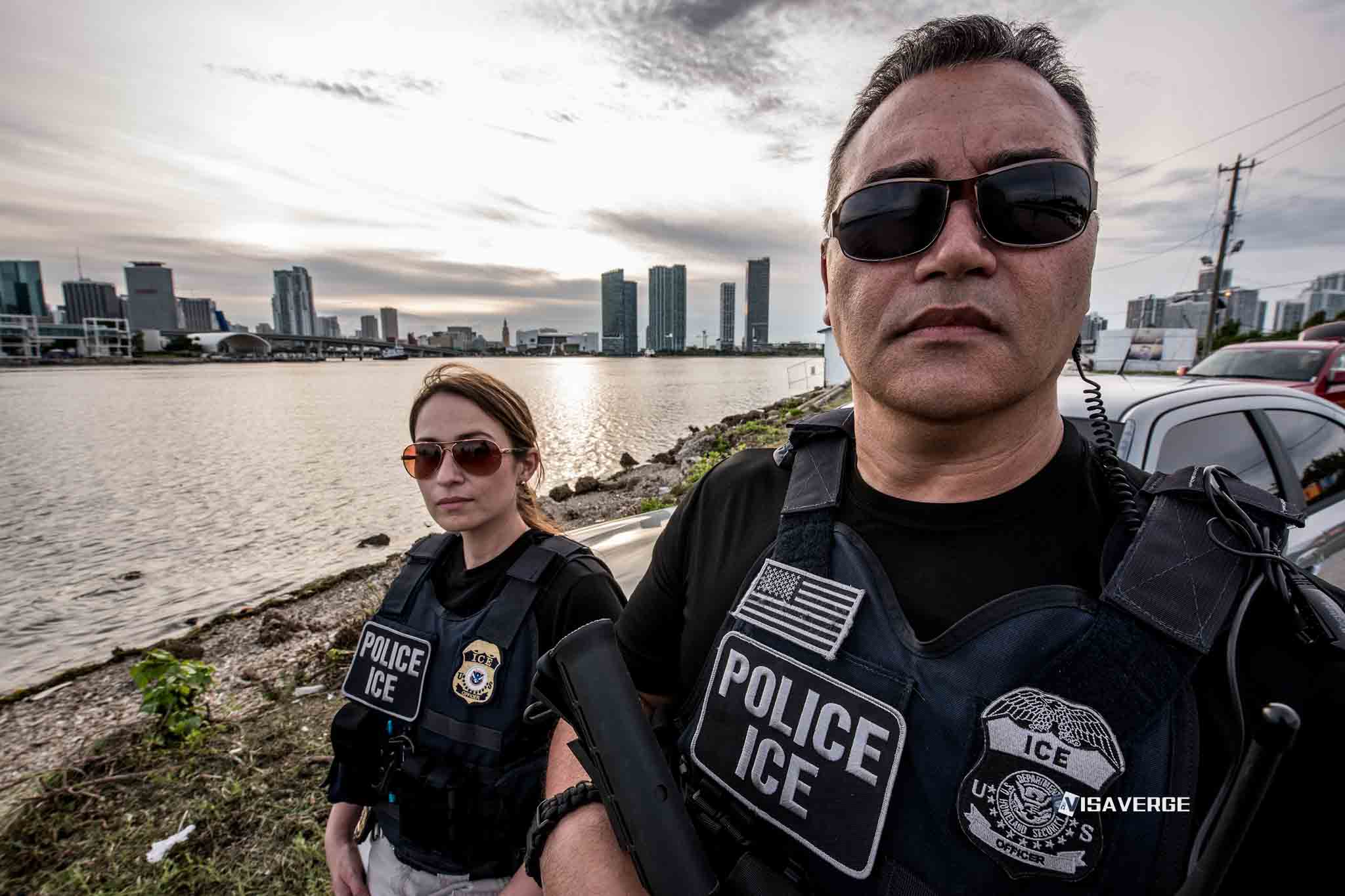
The Department of Homeland Security says agents are targeting “the worst of the worst violent criminal aliens,” framing operations as focused on public safety. Yet priests and lay leaders at Sacred Heart report a different reality.
- They report multiple cases of detained parishioners with no criminal records.
- Parish leaders say enforcement appears to sweep up people perceived as Hispanic in parts of Washington, D.C.
- These reports have fueled claims of broad profiling and a climate of intimidation that extends well past people with criminal histories.
Federal officials have not released a detailed local breakdown of arrests tied to the August–September surge. Nationally, the Trump administration’s policy direction has prioritized fast-track removals and a stepped-up presence in public spaces. Analysis by VisaVerge.com notes strong pushback from Catholic bishops and immigrant advocates, who say mass deportations are splitting families and changing parish life week to week.
Parish response: from ministry to emergency response
At Sacred Heart, the parish mission has shifted from routine ministry to emergency response. Staff and volunteers are:
- Attending immigration court hearings
- Covering rent and legal fees
- Delivering food to those who are too afraid to venture outside
Daily prayers often move online. Parishioners meet on Zoom to pray the rosary for those detained or deported, or for people missing work and school as they lay low. Clergy emphasize that even small acts—taking a call from a worried parent, offering a ride to a legal check-in—can be the difference between staying calm and panicking.
A large procession on September 28, 2025, tied to the World Day of Migrants and Refugees, sought to turn fear into public witness. Hundreds walked from Sacred Heart to the Cathedral of St. Matthew, led by Cardinal McElroy and Bishop Menjivar. Mass at the Cathedral included prayers for families separated by detention and removal.
Church teaching and advocacy
Parish leaders stress the Catholic Church’s social teaching that holds two truths together:
- Every nation has the right to control its borders.
- Every person—especially the poor and vulnerable—has a claim to dignity, family unity, and fair treatment.
Church officials in Washington, where more than 40% of parishioners are Latino, have pressed for:
- Policies that keep families together
- On-the-ground enforcement that does not frighten U.S.-citizen children or push parents into hiding
They argue that how enforcement happens matters, not just the fact that it happens. They are asking for narrower targeting, clear communication, and space for families to attend church and school without fear.
Wider community impacts
The shock of the surge ripples beyond one parish:
- Teachers report quieter students who fear a parent might not be home after school.
- Employers who rely on immigrant workers report missed shifts and last-minute resignations.
- Health clinics note missed appointments by patients reluctant to take public transit.
- Pastors hear from couples weighing whether to leave Washington, D.C. entirely because daily life now feels too risky.
Local Catholics have responded with concrete support:
- Volunteers running food deliveries and ride shares for immigration check-ins
- Lawyers in the pews offering pro bono case reviews
- Organizers helping parents gather birth certificates and guardianship documents in a folder by the door
The aim is simple: give families choices when a day goes wrong. Some efforts are quiet and individualized; others are public, like peaceful marches and prayer services meant to show immigrant families they are not alone.
Federal context and next steps
For federal context, DHS public materials describe enforcement priorities and general removal procedures; readers can review official information on the Department of Homeland Security’s site at Immigration Enforcement.
A key question is what happens next. The official surge ended on September 10, yet parishioners say the daily picture hasn’t eased in Columbia Heights and Mt. Pleasant. If the current tempo holds, the parish expects to keep diverting staff time and donations to emergency aid, even as tithes dip because fewer people attend in person.
The Archdiocese of Washington has become a focal point for advocacy blending prayer, legal help, and public appeals to elected leaders. Citywide, Catholics not near Sacred Heart are being urged to:
- Sponsor legal funds
- Volunteer for food deliveries
- Call lawmakers to press for approaches that protect public safety without spreading fear
Human toll and parish commitment
This moment shows how immigration policy touches a neighborhood’s core routines. For the Shrine of the Sacred Heart, the test is whether a church that once gathered people for Sunday worship can also carry them through weekday emergencies.
- Families who have signed guardianship papers hope they never need them.
- Parents stepping outside to buy milk count the blocks and scan street corners.
- Children—many citizens of the United States ??—ask teachers if Mom and Dad will still be there at pick-up.
Church staff say their answer is to keep showing up: at court, at food pantries, on Zoom, and in pews. They plan more processions and prayer services, and more everyday help—rides, gift cards, and accompaniment at hearings. Parishioners say they will keep leaning on one another, even if they must do so quietly.
For now, the immigration crackdown has turned a neighborhood parish into a command post for care. The people it serves say they want what every family wants: a way to pray, work, and learn without the constant thought that a normal day could end in separation.
This Article in a Nutshell
A federal immigration enforcement surge beginning in August 2025 has significantly affected the Shrine of the Sacred Heart parish in Columbia Heights, Washington, D.C. Parish leaders report over 40 congregants detained or deported and a roughly 50% drop in attendance. Although the official surge ended on September 10, visible enforcement and National Guard presence persist, prompting parents to pull children from parish schools and limit daily activities. The parish has pivoted to emergency response—accompanying people to immigration court, covering legal and rent costs, delivering food, and helping families prepare guardianship affidavits. Church leaders urge enforcement that protects public safety without creating fear, emphasizing family unity and humane treatment while mobilizing local support and public advocacy.