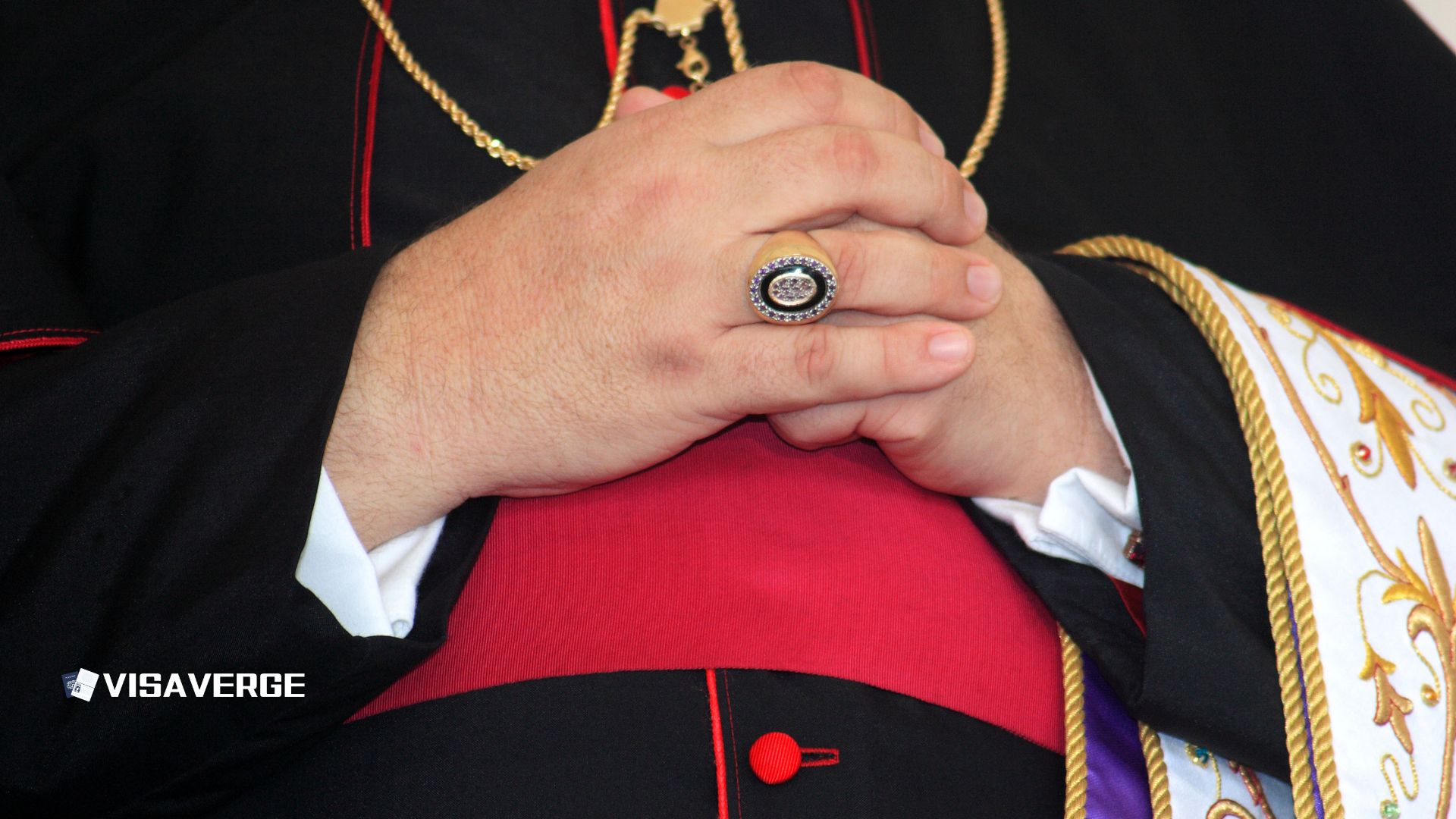
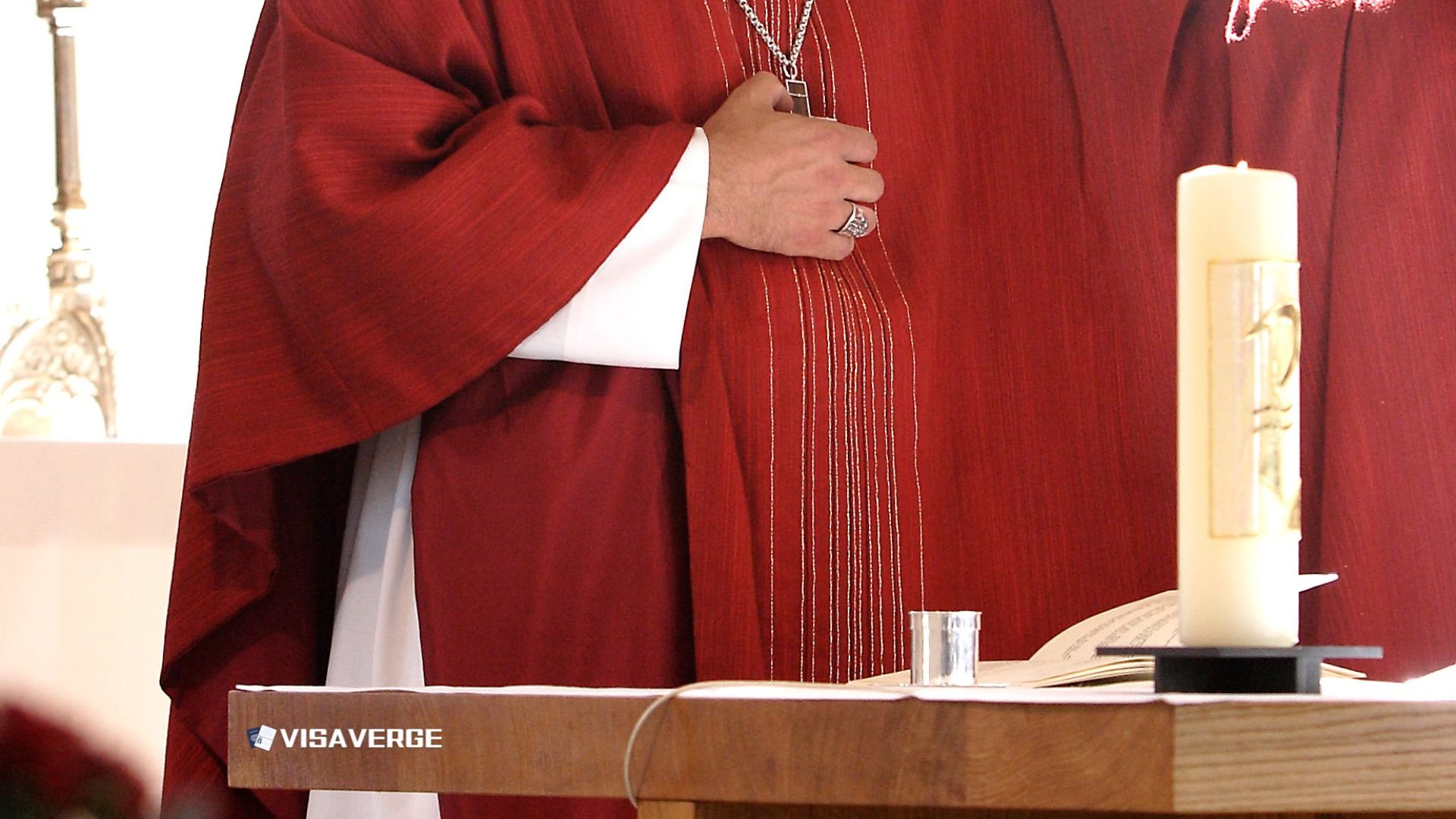
Eight Catholic bishops from the United States and Mexico gathered here on October 12, 2025, to lead a rare cross-border religious action calling for humane migration policy and deeper cooperation between the two nations. The binational unity on display—bishops carrying the Jubilee Cross and walking with hundreds of faithful at the border—came as Church leaders respond to President Trump’s 2025 deportation operations, which they say have sown fear in parishes, schools, and neighborhoods.
The bishops signed a joint declaration by leaders from 12 dioceses, stating that “in the Church, no one is a stranger” and that Christian hope “transcends every border, every barrier, and every source of division.”
Event: “Migrants, Pilgrims of Hope in Christ”
At the San Luis event, titled “Migrants, Pilgrims of Hope in Christ,” the Catholic Church underscored its view that migration is a shared moral responsibility that crosses borders. The statement called both countries’ systems “broken,” urging the faithful to reject indifference and act with “courage and hope.”
Free toolUSCIS Receipt Number DecoderBishop John Dolan of Phoenix emphasized that the signatures were not merely symbolic:
“We sign our names not just as a symbolic gesture on this day, but as an ongoing commitment… to work for migration with dignity through prayer, word and action.”
Organizers said the event followed weeks of outreach and coordination — a marker of sustained binational unity the bishops hope to keep building long after the procession ends.
Catholic moral framing of migration
Church teaching frames migration within a balanced approach:
- It does not call for open borders.
- It recognizes the right and duty of states to protect their borders.
- It warns against “inhuman measures” and abuses against people on the move.
This balance — solidarity with those in need and subsidiarity that empowers local communities — guides much of the Church’s migration work.
- The Holy Family’s flight to Egypt, cited by Pope Pius XII as an “archetype of every refugee family,” remains a key reference point.
- Pope Francis linked Matthew 25’s call to “welcome the stranger” to today’s reality, urging maximum respect for each migrant’s dignity while seeking conditions where people can freely choose whether to stay or move.
Papal encouragement in 2025
The moral frame took on sharper urgency in 2025. In a private audience on October 8, Pope Leo XIV urged American bishops to speak “forcefully and in unity” in defense of migrants’ rights, encouraging joint statements through the U.S. Conference of Catholic Bishops and action by each bishop in his own diocese.
During a Vatican meeting with American bishops and Catholic leaders, the Pope watched video messages from migrants who fear deportation. Dylan Corbett of the Hope Border Institute said the Pope was “visibly pained” and “almost angry at times,” making clear “the church needed to raise its voice.” The Pope reportedly told the group:
“You stand with me and I stand with you, and the church will continue to accompany and stand with migrants.”
Policy agenda and advocacy
The Church’s policy agenda is long-standing and detailed. Through the Justice for Immigrants campaign, U.S. bishops back reforms that address root causes so people can live with dignity at home, including:
- Fair trade
- Targeted development
- Smart foreign aid
They also call for fair enforcement that protects families and ensures due process.
During National Migration Week 2025 (September 22–28), the bishops urged Congress to work across party lines for “a more humane system of immigration, one that protects our communities while safeguarding the dignity of all.” According to analysis by VisaVerge.com, the campaign links parish action with policy change, tying local services to national advocacy so families are not left alone during enforcement surges.
Pastoral response on the ground
Catholic Charities and many Church ministries provide a range of services in border towns and beyond, including:
- Food and shelter
- Legal referrals
- Travel support
These services are offered regardless of legal status and in line with “sincerely held religious beliefs.” Church leaders describe these works as visible signs of mercy and insist the mission is pastoral rather than political: real people with names and hopes, parents trying to keep families together, and workers seeking safety and steady jobs.
The recent enforcement push under President Trump has sharpened pastoral needs.
- Bishop Mark J. Seitz of El Paso, chair of the U.S. bishops’ Committee on Migration, said the Church aims to “stay above the political fray” while adhering to the Gospel and Catholic teaching.
- Archbishop José H. Gomez warned that public statements and actions from Washington have triggered fear in pews and classrooms, urging leaders to show restraint, respect for the law, and respect for the rights and dignity of everyone involved.
- Cardinal Blase Cupich called reports of planned mass deportations “profoundly disturbing,” saying such moves wound communities already under strain.
Cross-border coordination and data context
Behind the San Luis gathering were weeks of coordination among more than 26 dioceses and civil society partners on both sides of the border — evidence that migration cannot be solved by one country acting alone. Organizers say cross-border collaboration matters because causes and solutions stretch from sending towns to destination cities.
That message aligns with official trends showing complex push-and-pull factors at the border. For context, readers can review U.S. Customs and Border Protection data on border encounters, which policymakers often cite when debating enforcement and humanitarian responses: https://www.cbp.gov/newsroom/stats/southwest-land-border-encounters.
Guidance for parish families
For parish families, the Church’s message blends prayer, prudence, and presence:
- Pastors advise people not to panic, to stay informed about local resources, and to keep children in school and community activities.
- Lay leaders and religious orders organize bilingual outreach, accompany families to routine check-ins, and help coordinate travel for those released to sponsors.
- Bishops reiterate that the Church supports the rule of law and public safety, while defending the human dignity of each person, no matter their status.
Long-term goals and limits of sanctuary
The San Luis procession gave that balance a public face: one body of believers on both sides of the line, walking as one. Organizers said the action was not a one-time ritual but the launch of longer-term cooperation, including:
- Joint statements
- Shared training
- Coordinated services
- Continued prayer
Their aim is binational unity in practice: dioceses that plan together, border communities that share lessons, and a faithful public that pressures leaders to build a fair system that is both secure and humane.
Church officials also stressed that worship alone is not a legal sanctuary. They want Congress and the White House to pursue reforms that:
- Protect families
- Speed fair decisions
- Deter criminal exploitation
- Respect human life in border security
- Provide fair and timely asylum screening
- Create legal pathways to reduce chaos
They argue such reforms would lower fear, restore order, and honor the dignity central to Catholic moral teaching.
Conclusion
If the San Luis event is any sign, the Catholic Church will continue to answer migration with prayer and public action, insisting that hope can cross any border and urging sustained cooperation to build a humane, dignified, and orderly approach to migration.
This Article in a Nutshell
On October 12, 2025, eight Catholic bishops from the United States and Mexico led a binational procession in San Luis titled “Migrants, Pilgrims of Hope in Christ,” culminating in a joint declaration from leaders of 12 dioceses calling for humane migration policy and deeper cooperation. The bishops framed migration within Catholic teaching: recognizing states’ rights to secure borders while condemning inhuman measures and protecting migrants’ dignity. Pope Leo XIV urged bishops to speak forcefully earlier in the week. The Church combines pastoral care—food, shelter, legal help—with advocacy through the Justice for Immigrants campaign and coordination among 26-plus dioceses to pursue reforms that protect families, speed fair decisions, and create legal pathways.