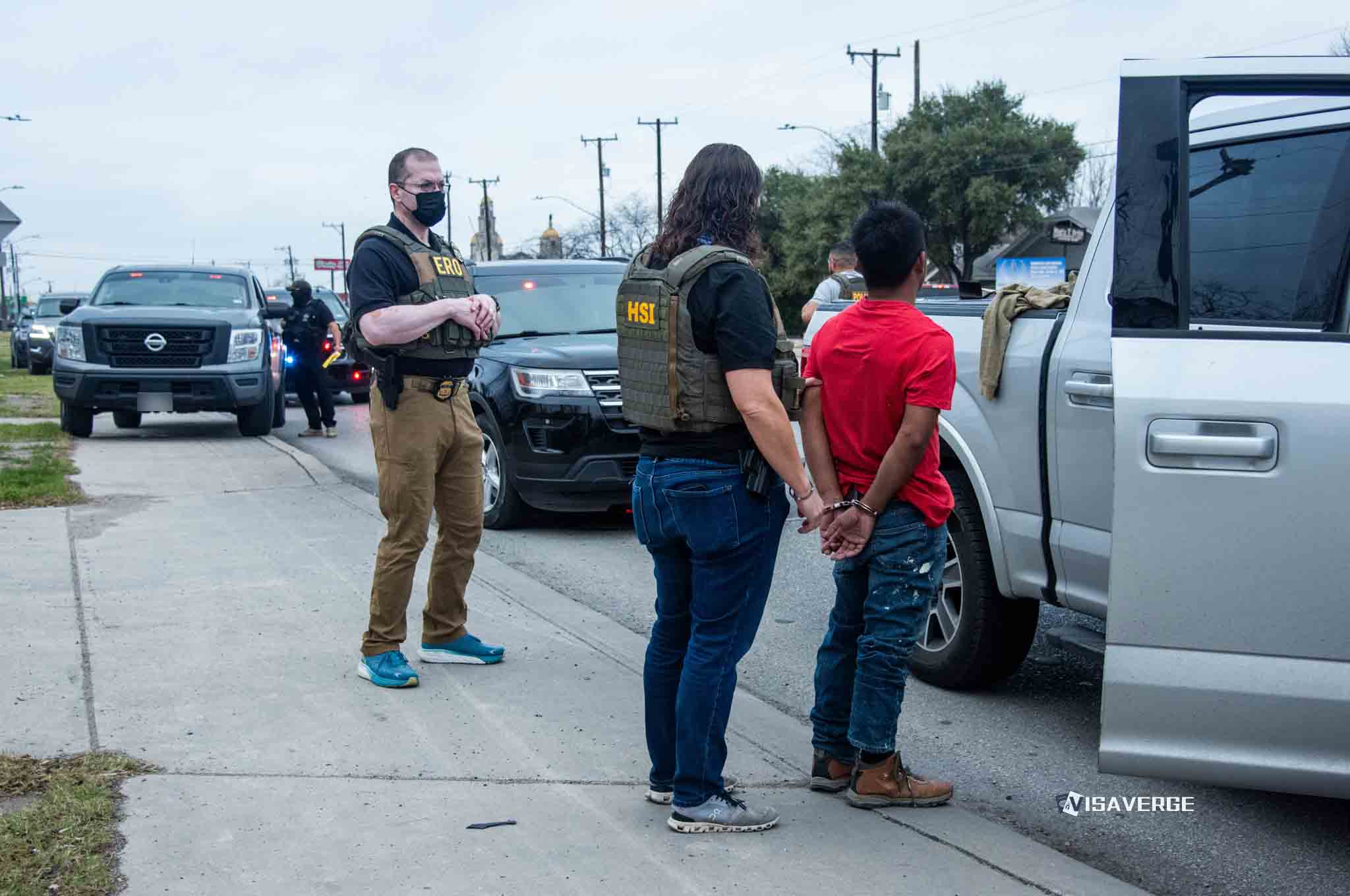
(CHARLOTTE, NORTH CAROLINA) North Carolina faith leaders are stepping into the center of the immigration debate as a major Border Patrol operation sweeps across the state, leaving many undocumented families afraid to leave their homes, go to work, or attend church. The campaign, known as Operation Charlotte’s Web, began over the weekend of November 15–16, 2025, and has already led to more than 250 arrests statewide, including over 130 people detained in Charlotte in just the first two days, according to religious advocates tracking the situation. Immigrant-heavy communities across Charlotte and the Raleigh area are now gripped by fear, confusion, and deep spiritual unease.
Church leadership and official responses
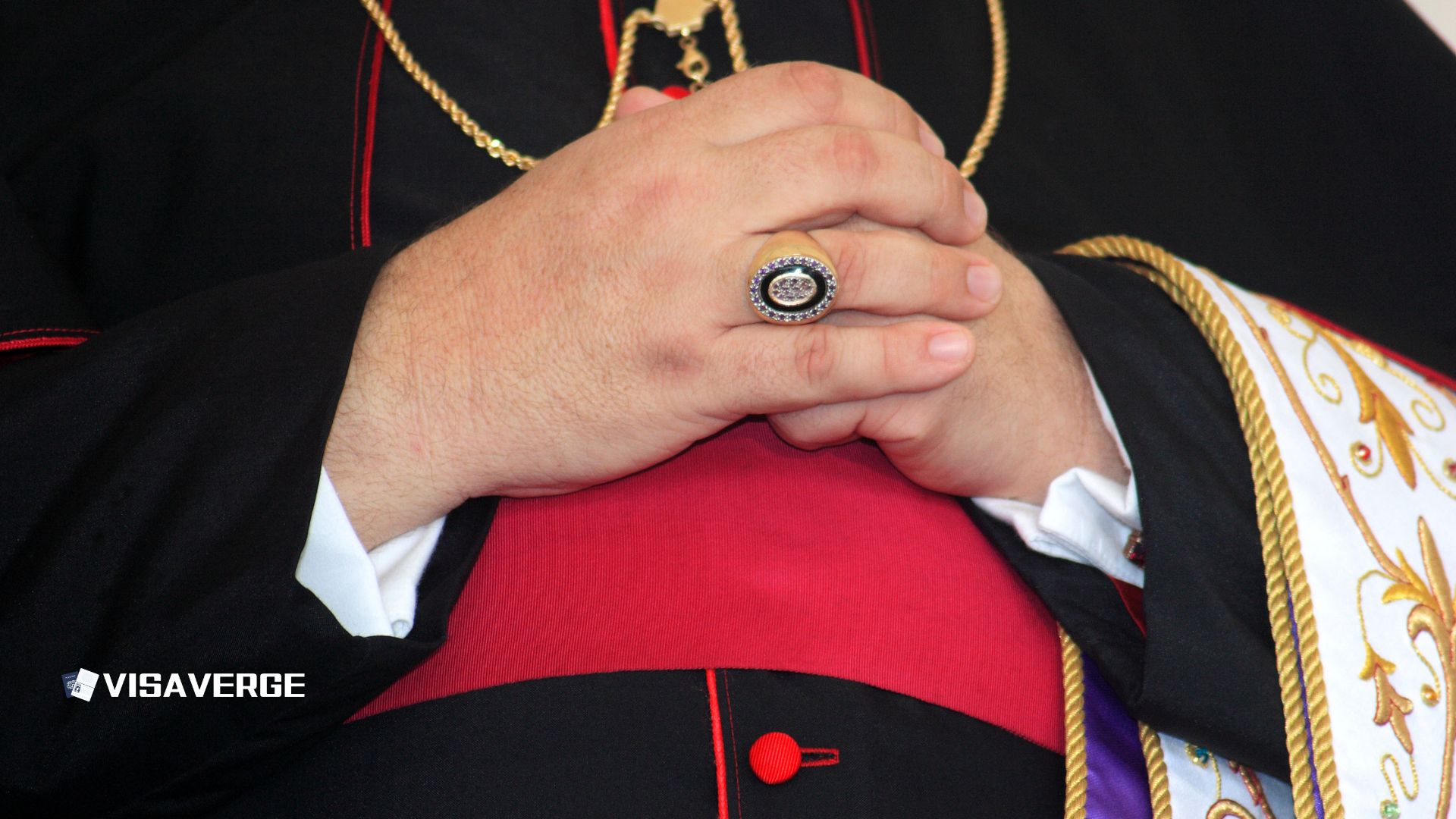
At the heart of the response is Bishop Michael T. Martin of the Diocese of Charlotte, who has become one of the most visible religious figures speaking about the human cost of the enforcement push. In a formal statement released November 18, Bishop Martin directly addressed Catholics who are too afraid to come to church, telling them they:
“are not obligated to attend Mass when [they] are inhibited from doing so by circumstances beyond your control, as the Church has always taught.”
The bishop went further, granting a Mass dispensation for anyone who fears deportation if they leave home — a rare move that underlines how seriously church leaders see the threat to their immigrant parishioners.
Parishes across North Carolina have quickly begun expanding livestream and virtual Mass options so that those who choose to stay home can still take part in worship without risking encounters with immigration agents. Priests and parish staff report late-night phone calls from families asking if it is safe to attend services, send children to religious education classes, or even show up at food pantries.
| India | China | ROW | |
|---|---|---|---|
| EB-1 | Feb 01, 2023 | Aug 01, 2023 ▲31d | Current |
| EB-2 | Nov 01, 2013 | Oct 01, 2021 | Apr 01, 2025 ▲90d |
| EB-3 | Jan 22, 2014 ▲21d | Jan 22, 2022 ▲14d | Jun 15, 2024 ▲31d |
| F-1 | Jan 22, 2021 ▲366d | Jan 22, 2021 ▲366d | Jan 22, 2021 ▲366d |
| F-2A | Oct 22, 2026 ▲30d | Oct 22, 2026 ▲30d | Oct 22, 2026 ▲30d |
One Charlotte pastor told his congregation from the pulpit that:
“the fear is crippling for our community right now,”
urging parishioners to “lean on your faith and…trust God” while citing scripture that commands believers to “treat those among us that are foreign just as if they were our brothers and sisters.”
Bishop Martin has also called for “a day of prayer and fasting in solidarity with all migrants around the world” on November 21, turning the local crisis into a moment of global reflection for Catholics. At the same time, he cautioned against demonizing federal officers involved in the operation, urging Charlotte Catholics not to:
“vilify federal agents who have been sent to our community,”
and emphasizing that the Gospel calls believers to respect the dignity of every person, including those enforcing the law. “I want to call upon all Catholics and people of good will to give witness to the message of Jesus,” he wrote, framing the crisis as a test of Christian values.
Voices from the clergy: solidarity and restraint
That theme of both solidarity and restraint is echoed by other religious voices. Deacon Bernal, a leader in the Charlotte Catholic community, used strong language to describe what he sees happening to his flock:
“What infuriates me is that this is a persecution of Christians by Christians,”
He expressed frustration that many of the families now in hiding are active church members whose faith guides their daily lives. Yet Deacon Bernal also refused to dehumanize the officers carrying out arrests:
“I pray for them…I invite others to pray for them because that is what the Gospel tells us,”
urging his community to respond with compassion even in the middle of fear.
Broader faith-community actions
Beyond the Catholic Church, pastors, rabbis, and other faith leaders from across North Carolina are mobilizing in different ways:
- Organizing emergency support networks for families where a parent has been detained
- Offering legal clinics, transportation help, or quiet financial assistance for households that suddenly lose a breadwinner
- Expanding online worship, phone trees, and pastoral check-ins for those too afraid to leave home
According to clergy reports, some churches have seen drops in attendance as rumors spread that agents could be waiting outside. In some neighborhoods, small restaurants are locking doors with customers still inside, shops are closing early, and undocumented residents are going into hiding, worried that any public outing could end in handcuffs.
Human stories and community impact
The immediate cause of panic is Operation Charlotte’s Web, a coordinated Border Patrol and federal immigration campaign that has expanded from Charlotte into areas around Raleigh. Faith leaders say many of the people arrested are long-time residents with deep community ties and U.S.-born children.
- In one case described by advocates, construction worker Lopez Nunez decided to keep his undocumented wife and newborn home for an entire week rather than risk a drive that could bring them across a checkpoint.
- Stories like this, spreading by word of mouth and social media, are intensifying the sense of crisis even among those who may not be direct targets for enforcement.
Families face immediate, practical dilemmas:
- Parents deciding whether to send children to school or catechism.
- Workers debating whether to call in sick for fear of encountering unmarked cars.
- Parish volunteers arranging discreet food drops for those too scared to stand in public lines.
Faith leaders repeat that no one should panic, but they admit they cannot promise where enforcement officers will appear next. Many say their role is to keep doors open as much as possible — physically and virtually.
Legal and policy background
The legal backdrop expands beyond Charlotte. On his inauguration day, President Trump reversed decades of practice by clearing the way for federal agents to make arrests at churches and other places of worship — locations traditionally treated as “sensitive” and generally avoided by enforcement officers. Religious leaders saw that shift as a direct blow to the idea of the church as a safe space for the vulnerable.
- In April 2025, a federal judge declined to block the new church-arrest policy, leaving congregations across the country worried that attending Mass or Bible study could put undocumented members at risk.
The Department of Homeland Security has said it is focusing on Charlotte in part because of local sanctuary-style policies that limit local cooperation with immigration agents. Homeland Security leaders argue that when local law enforcement will not hold people for immigration, federal officers must step up operations in the community.
According to analysis by VisaVerge.com, similar tensions between federal and local officials have shaped immigration crackdowns in several other cities, often leaving immigrants and their churches caught in the middle of political fights they did not choose.
National church reactions and political tensions
National church leaders have weighed in. The U.S. Conference of Catholic Bishops issued a rare “Special Message” criticizing what it called the excesses of recent immigration enforcement. While recognizing every country’s right to protect its borders, the bishops warned that sweeping detention campaigns and arrests near churches risk tearing families apart and damaging trust between immigrant communities and wider society.
The Trump administration reacted sharply. Tom Homan, the president’s so‑called “border czar” and a Catholic himself, publicly criticized the bishops’ message and suggested they should instead focus on “fixing the Catholic Church,” comments that further strained relations between the White House and many religious leaders.
Legal help and rights information
Immigration advocates note that arrests during operations like Charlotte’s Web can quickly lead to removal cases in immigration court and, in some instances, to fast-track deportations for those with prior orders. Families facing detention often seek legal help through private lawyers or nonprofit agencies.
- Those affected are urged to learn about their rights during encounters with immigration officers and to seek legal advice if a loved one is taken into custody.
Clergy are coordinating emergency support and legal clinics. Ask your parish about transport help, confidential aid, and how to access food pantry support without exposing personal details publicly.
More information about how federal enforcement works and which agencies handle different parts of the process is available from the U.S. Customs and Border Protection website at https://www.cbp.gov, an official Department of Homeland Security resource.
What faith leaders expect going forward
As Operation Charlotte’s Web continues, North Carolina’s religious leaders say they are preparing for a long season of ministry to fearful communities. Many expect more parishioners to ask pastors to act as:
- Spiritual guides
- Emotional counselors
- Liaisons to lawyers and social workers
In homilies, prayer services, and quiet office visits, clergy are trying to balance respect for the law with clear calls for mercy, due process, and family unity.
With the operation still active and the legal landscape unlikely to change soon, Bishop Michael T. Martin and his colleagues seem determined to keep one message front and center: in the middle of immigration raids and rising tension, their churches will stand beside immigrants and their families, whether in the pews, online, or behind closed doors.
Key facts at a glance
| Item | Detail |
|---|---|
| Operation | Operation Charlotte’s Web |
| Start date | November 15–16, 2025 |
| Arrests reported statewide | More than 250 |
| Arrests reported in Charlotte (first two days) | Over 130 |
| Significant church action | Mass dispensation granted by Bishop Michael T. Martin |
| Day of prayer & fasting | November 21 (called by Bishop Martin) |
| Policy change enabling arrests at churches | Reversed by President Trump on inauguration day |
| Info source for federal enforcement | https://www.cbp.gov (U.S. Customs and Border Protection) |
If you’d like, I can extract the main quotes and convert them into printable flyers for churches, or produce a one-page resource listing local legal aid and parish support contacts.
Operation Charlotte’s Web, launched Nov. 15–16, 2025, has triggered more than 250 arrests statewide and over 130 in Charlotte, prompting Bishop Michael T. Martin to grant a Mass dispensation and call a day of prayer. Churches expanded livestreams, organized legal clinics and emergency support, and reported attendance drops as immigrant families avoided public spaces. The operation follows a federal policy shift allowing arrests at places of worship, deepening tensions between faith leaders and federal authorities.