Key Takeaways
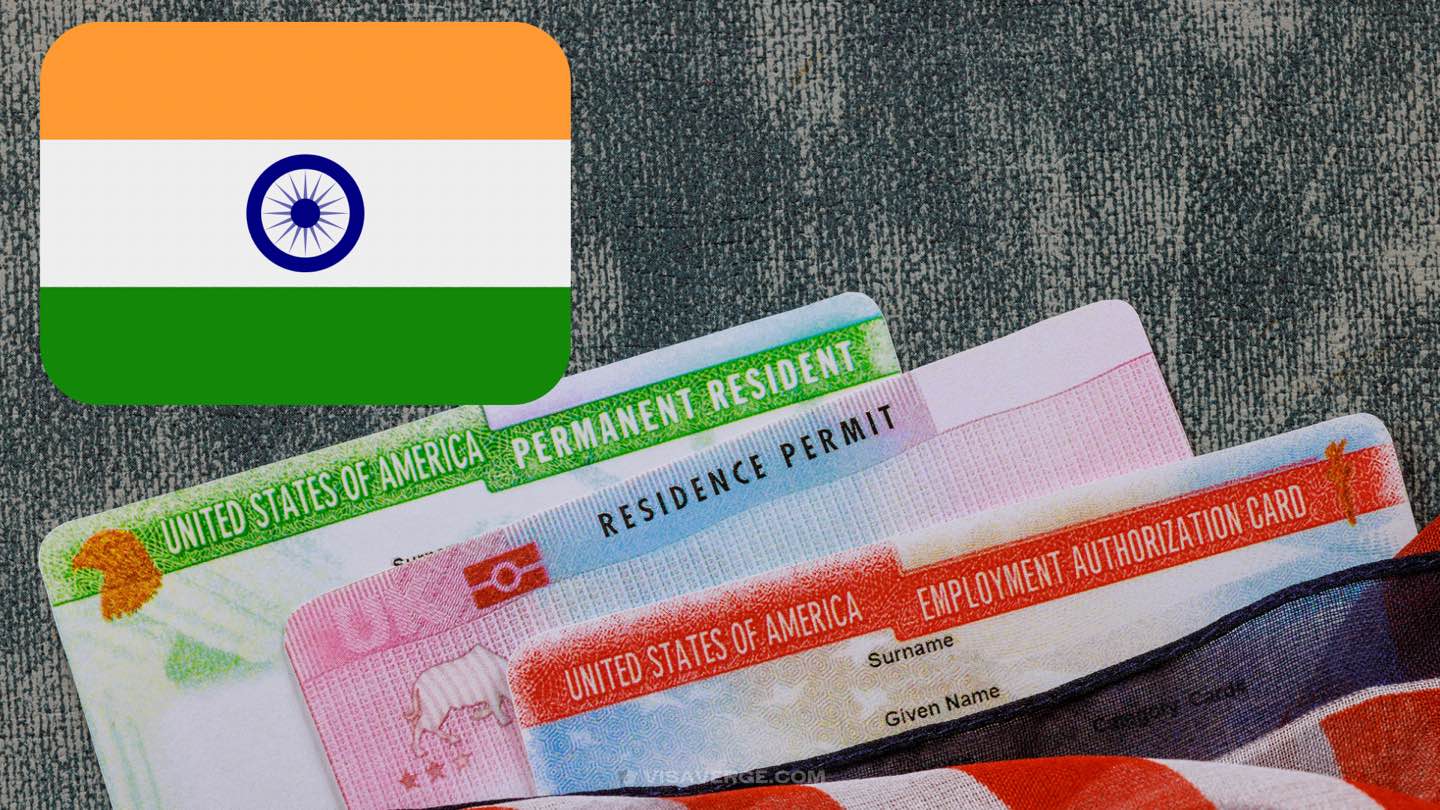
- Massive Green Card Backlog: The backlog for employment-based green card applications has hit a record 1.8 million, heavily affecting Indian nationals.
- Impact on Indian Families: Indian families, like Shristi Sharma’s, are facing uncertain futures in the U.S. due to prolonged waiting times for green cards.
- Visa Challenges and Personal Struggles: Those on H-1B visas face job insecurities and personal sacrifices, as illustrated by Mehul Chokshi’s experience.
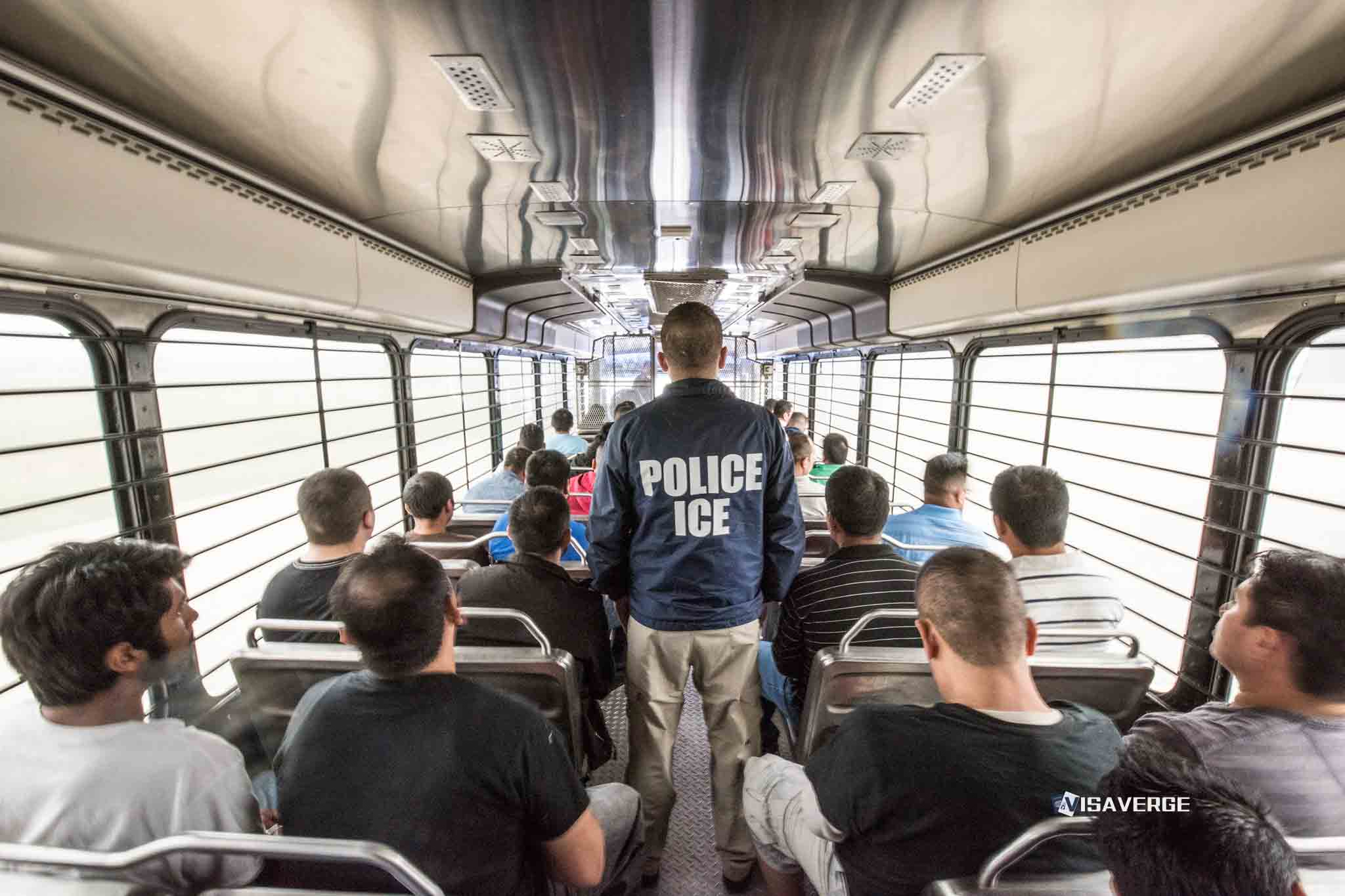
The U.S. immigration system is currently grappling with a significant backlog in green card applications, particularly impacting Indian nationals. This article explores the personal stories of Indian families affected by this backlog and the broader implications of the current immigration policies.
The Backlog Crisis
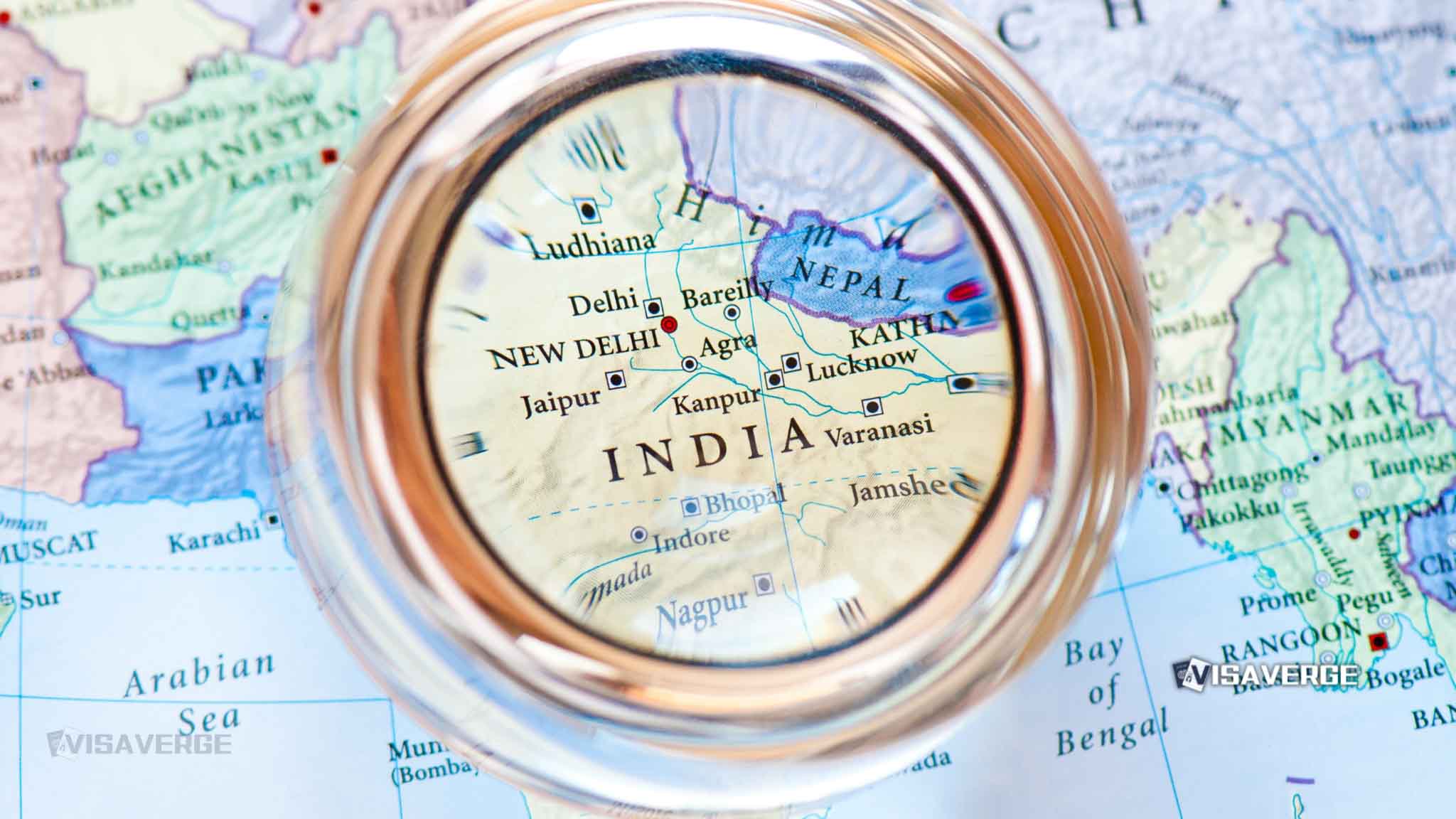
- Record Numbers: The Cato Institute reports a backlog of 1.8 million employment-based green card applications, with 1.1 million from Indians. New applicants from India face a lifetime wait, and many are expected to die before receiving their green cards.
- Annual Limits and Country Caps: The U.S. allocates 140,000 employment-based green cards annually, with a 7% cap per country, disproportionately affecting countries like India and China.
Personal Stories: The Sharma Family
- Shristi Sharma’s American Dream: Born in India and raised in the U.S., Sharma’s family has been waiting for their green cards since 2014. The uncertainty has affected her career choices and her family’s stability in the U.S.
- Living in Fear: The constant threat of having to leave the U.S. looms over Sharma’s family, affecting their mental health and future planning.
Visa Challenges: Mehul Chokshi’s Journey
- Pursuing the American Dream: Chokshi moved to the U.S. in 2005 for higher education, later transitioning to an H-1B visa. He has been awaiting his green card since 2016.
- Job Insecurity and Personal Sacrifice: Facing job loss and visa status challenges, Chokshi’s story highlights the difficulties of maintaining legal status and supporting a family under the current immigration system.
Green Card Application Process
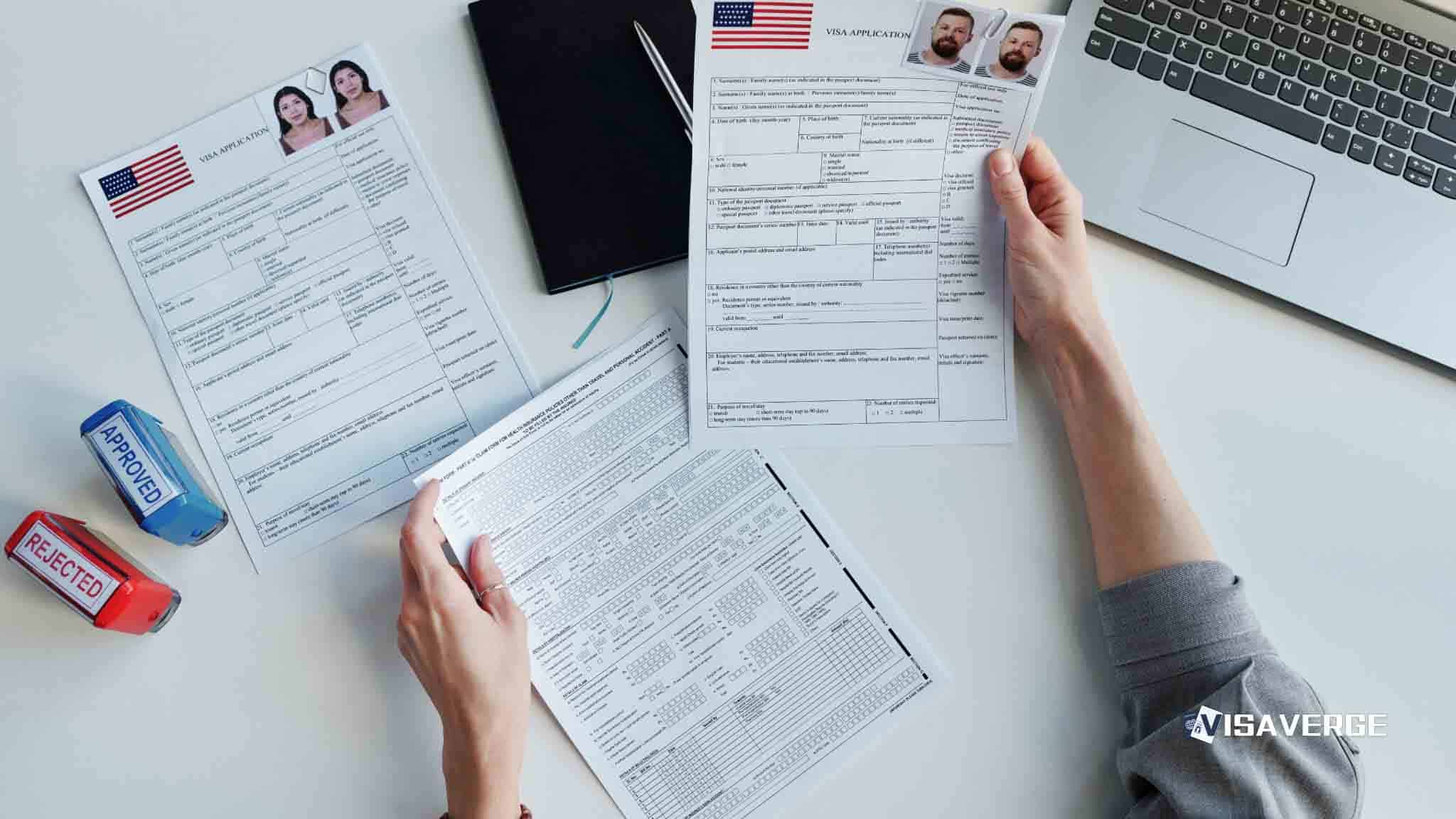
- Employer Sponsorship and Priority Date: To apply for an employment-based green card, an employer must first test the U.S. labor market. The applicant receives a “priority date,” determining their place in line.
- Country-Specific Challenges: Applicants from India and China must constantly monitor the visa bulletin for green card availability, adding to the uncertainty.
Impact on Community and Future Generations
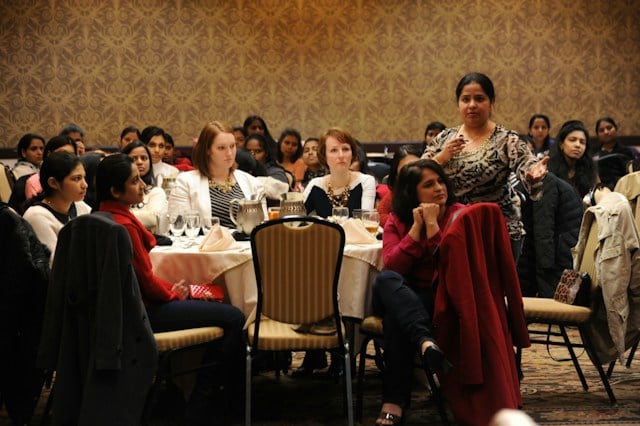
- Council Member Steve Rao’s Observations: Long-term H-1B visa holders, many of whom are Indian nationals, have shared their struggles and concerns with community leaders like Rao.
- Implications for U.S.-Born Children: Indian nationals like Chokshi express the need to stay in the U.S. for their U.S.-born children, highlighting the intergenerational impact of the current immigration system.
The green card backlog in the U.S. significantly affects Indian nationals, leading to uncertainties and challenges in their personal and professional lives. This situation calls for a reevaluation of immigration policies to better address the needs of immigrants and their families.