- The USCIS Online Account Number links all immigration cases to one secure digital profile for 2026 filings.
- It provides real-time case tracking and instant access to notices, bypassing traditional mail delays for applicants.
- Applicants find the 12-digit number on Form I-797 notices or within their existing myUSCIS portal dashboard.
(UNITED STATES) The USCIS Online Account Number is one of the most useful tools for immigration applicants in 2026. It gives people inside the United States a secure way to track filings, upload documents, and receive notices while backlogs and policy changes slow other parts of the system.
That matters most for people filing adjustment of status, especially those using the April 2026 Visa Bulletin to file Form I-485 under the Dates for Filing chart. It also helps applicants who need faster access to Form I-765 for work authorization and Form I-131 for travel permission.
A digital ID that follows every case
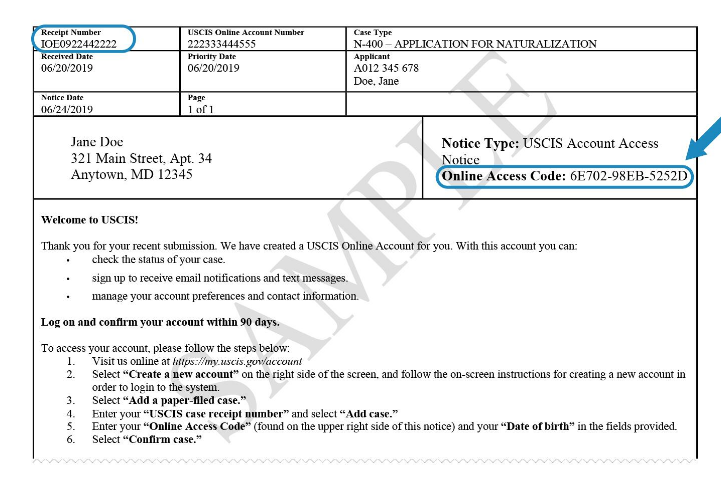
The USCIS Online Account Number is the unique identifier tied to a myUSCIS account. It is often shown as a 12-digit account number in USCIS records and notices. Some users also see it linked to an IOE case prefix in the digital filing system.
Once an account is created, the number connects to one secure profile. That profile can hold several cases at once. A person can file, upload evidence, read updates, and send messages without relying only on mail.
USCIS has pushed more filings online as immigration screening has tightened. A new USCIS Vetting Center opened on December 5, 2025, and expanded travel restrictions took effect on January 1, 2026. In that climate, the online account became a central part of daily case management.
| India | China | ROW | |
|---|---|---|---|
| EB-1 | Feb 01, 2023 | Aug 01, 2023 ▲31d | Current |
| EB-2 | Nov 01, 2013 | Oct 01, 2021 | Apr 01, 2025 ▲90d |
| EB-3 | Jan 22, 2014 ▲21d | Jan 22, 2022 ▲14d | Jun 15, 2024 ▲31d |
| F-1 | Jan 22, 2021 ▲366d | Jan 22, 2021 ▲366d | Jan 22, 2021 ▲366d |
| F-2A | Oct 22, 2026 ▲30d | Oct 22, 2026 ▲30d | Oct 22, 2026 ▲30d |
VisaVerge.com reports that online access has become especially useful for applicants facing slower consular processing and longer waits for paper notices.
Who gets one, and when it appears
Not every immigrant gets a USCIS Online Account Number in the same way. People who file online through myUSCIS usually receive one as soon as the account is created. That includes applicants for Form I-130, Form I-485, Form I-765, Form I-131, and Form N-400.
Paper filers can still end up with one after USCIS links the case to an online profile. USCIS may send the number in an email or on a notice after case matching. Existing account holders already have the number in their profile.
Most people abroad do not use this system directly. They usually work through the National Visa Center or a consular process instead. The online account is most helpful for people already inside the United States, especially those waiting for adjustment of status while the Visa Bulletin moves forward.
That distinction matters. With immigrant visa issuances paused for nationals of approximately 75 countries starting January 21, 2026, many families and workers inside the United States rely more heavily on USCIS digital tools.
Where applicants usually find the number
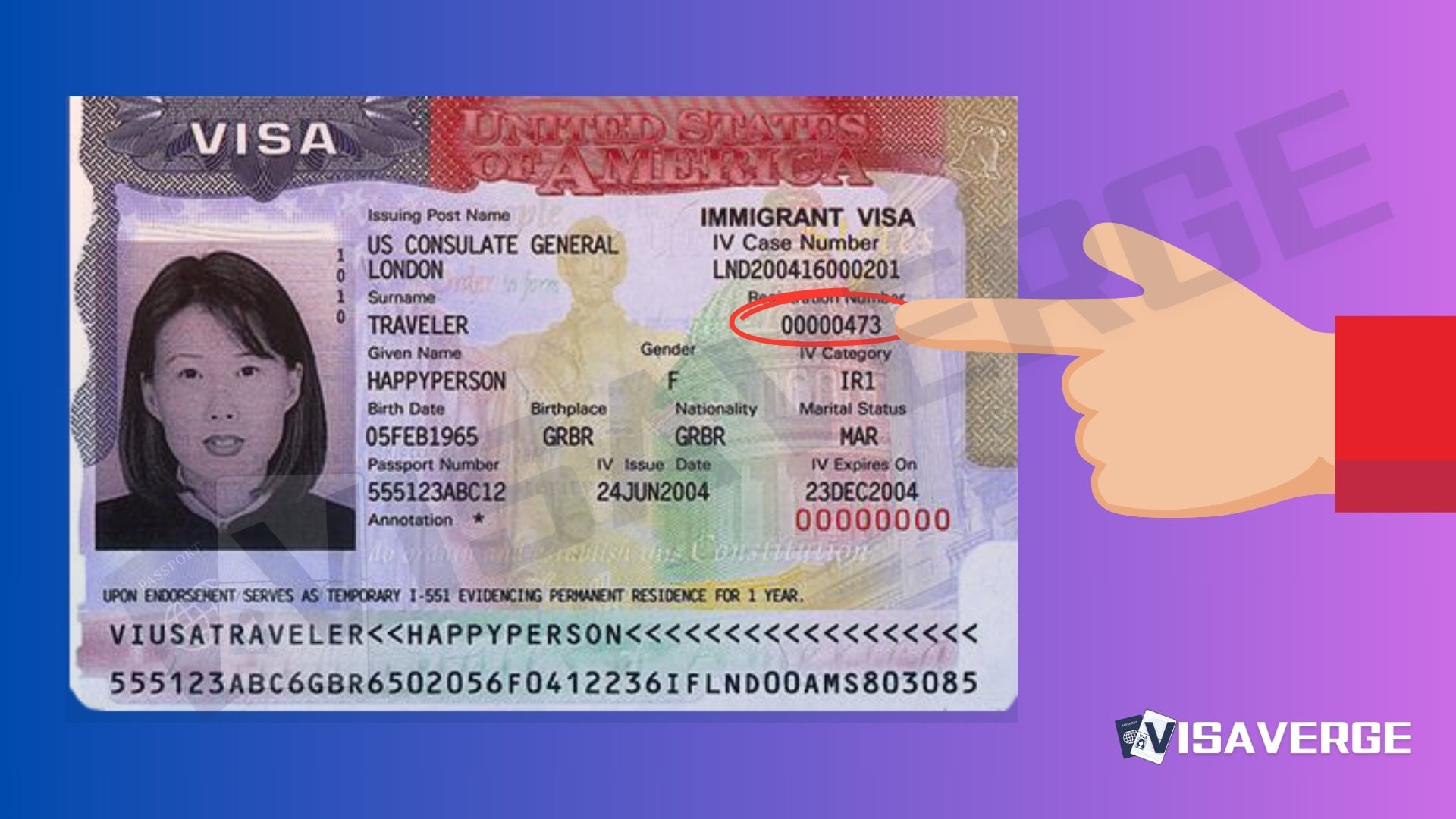
The number appears in several places. The most common is on a USCIS Notice of Action, such as Form I-797. It may be printed near the top of the notice and labeled as the USCIS Online Account Number or myUSCIS Account Number.
It also appears inside the myUSCIS profile. A user can log in at myUSCIS and check the account details page. Email notices may also include it after account creation or case linking.
For people who file electronically, it syncs across devices and may appear in the USCIS mobile app as well.
Applicants should keep the number safe. It is not printed on a green card or passport. It works as the portal key for multiple filings, and losing it can slow access to notices and uploads.
Forms, filing, and why the number helps
The USCIS Online Account Number is not required on most forms, but it helps USCIS connect filings faster. That is especially important for people filing Form I-485, Form I-765, Form I-131, or Form I-129.
When the number is entered, USCIS can link a paper filing to an online profile. That supports faster notices, easier document uploads, and cleaner case tracking. It also helps when USCIS asks for biometrics or other follow-up material through the portal.
For adjustment of status applicants, this matters because the April 2026 Visa Bulletin opened more filing opportunities under the Dates for Filing chart. Employment-based categories such as EB-2 and EB-3 received movement that allowed more applicants to file Form I-485, and many of them could also file for work and travel benefits at the same time.
The number does not replace a receipt number or A-Number. It simply gives USCIS a digital way to manage the case.
How it differs from the A-Number and receipt number
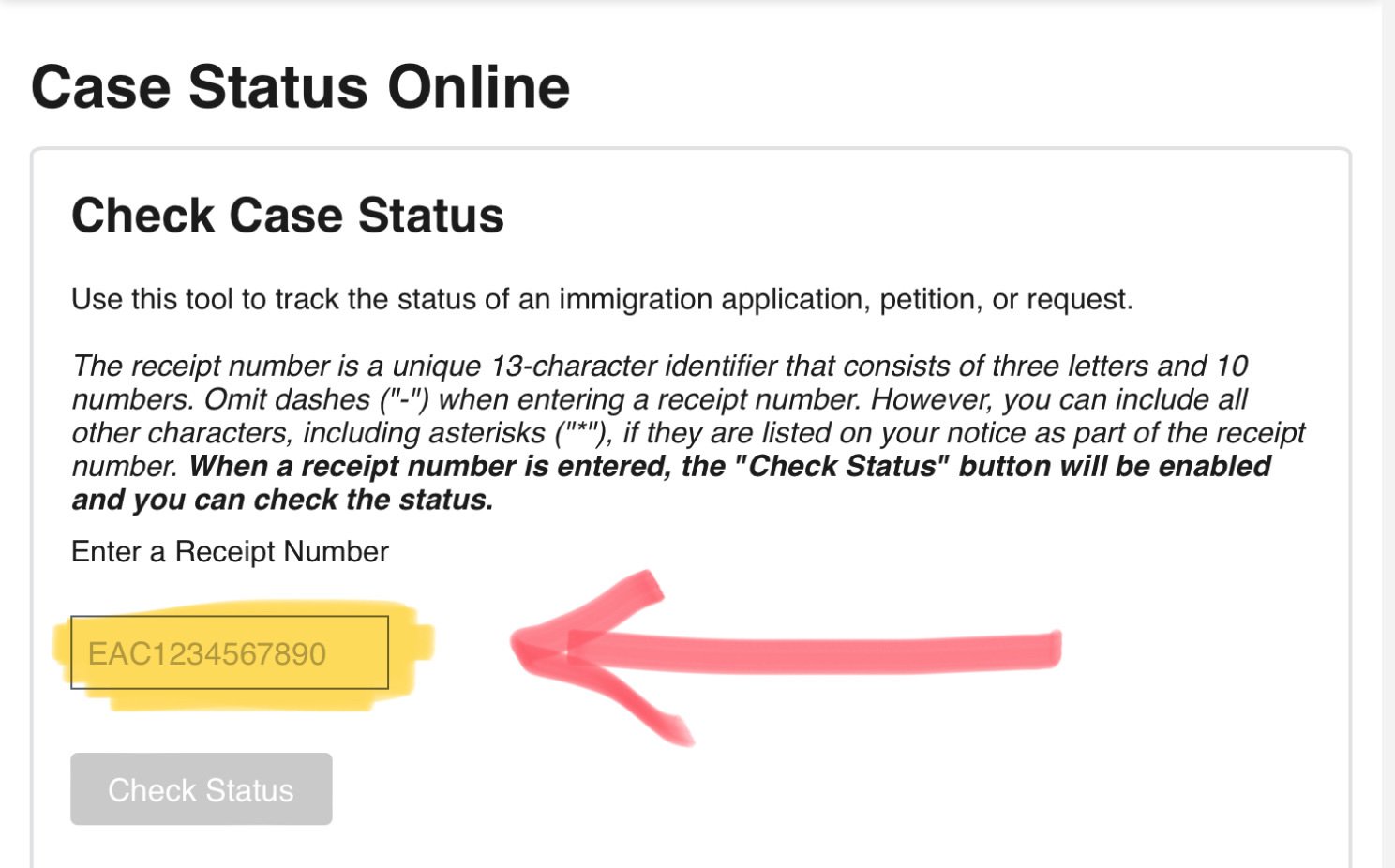
Confusion often starts because all three numbers serve different jobs. The USCIS Online Account Number connects a person to the myUSCIS portal. The A-Number tracks a person’s immigration record. The receipt number tracks one filing.
| Identifier | Purpose | Format |
|---|---|---|
| USCIS Online Account Number | Portal access and online case management | 12-digit account identifier |
| A-Number | Lifetime immigration record | A followed by 8 digits |
| Receipt Number | Tracks one specific filing | 3 letters, 10 digits, and a check digit |
The receipt number is the one people use for routine status checks and phone inquiries. The A-Number appears on many immigration documents, including some employment authorization documents and green cards.
The online account number serves a different purpose. It gives a person one place to manage several filings, especially during periods when USCIS is issuing more digital notices and asking for faster responses.
The main benefits during a crowded 2026 filing season
The portal does more than store a number. It creates a working hub for immigration cases, and that helps when processing moves slowly.
Applicants use it for:
- Real-time case tracking
- Email and text alerts
- Secure document uploads
- Address and email updates
- Multiple-case management in one place
For people waiting on adjustment of status, those features matter because delays in mail delivery can slow everything else. A missed notice can cause problems with biometrics, interviews, or requests for evidence.
The portal also helps with advance parole and employment authorization. That is important for families trying to stay stable while waiting for a green card. According to the April 2026 Visa Bulletin, movement in several family and employment categories has created new filing windows, but those windows do not last forever.
A digital account helps applicants act quickly when dates move.
If the number is missing or forgotten
People who cannot find their USCIS Online Account Number should start with the account recovery tools inside myUSCIS. USCIS also accepts help requests by phone at 1-800-375-5283.
A locked account can usually be recovered with an email address, phone number, receipt number, or A-Number. If login attempts fail, waiting 24 hours before trying again often helps.
People filing on paper can still link a case later. USCIS may merge duplicate accounts when the same person creates more than one profile. That is common when family members help with filings or when an applicant opens a second account by mistake.
For future paper filings, Form G-1145 can trigger electronic notice, which helps people move faster from paper filing to online tracking.
Why the account matters more as rules tighten
The online account has become more important because other parts of the immigration system are under pressure. USCIS has increased vetting, shortened some work permits to 18 months, and added more review in cases involving H-1B and H-4 applicants. Travel restrictions have also made planning harder for many families.
That means people inside the United States need faster access to notices, evidence requests, and travel documents. The USCIS Online Account Number helps with that by tying the whole file to one secure dashboard.
It is now part of the daily routine for many applicants, especially those waiting on adjustment of status after checking the Visa Bulletin each month. The account does not change eligibility rules, but it does make the process easier to follow, faster to update, and less dependent on paper mail during a year of heavier scrutiny and longer waits.