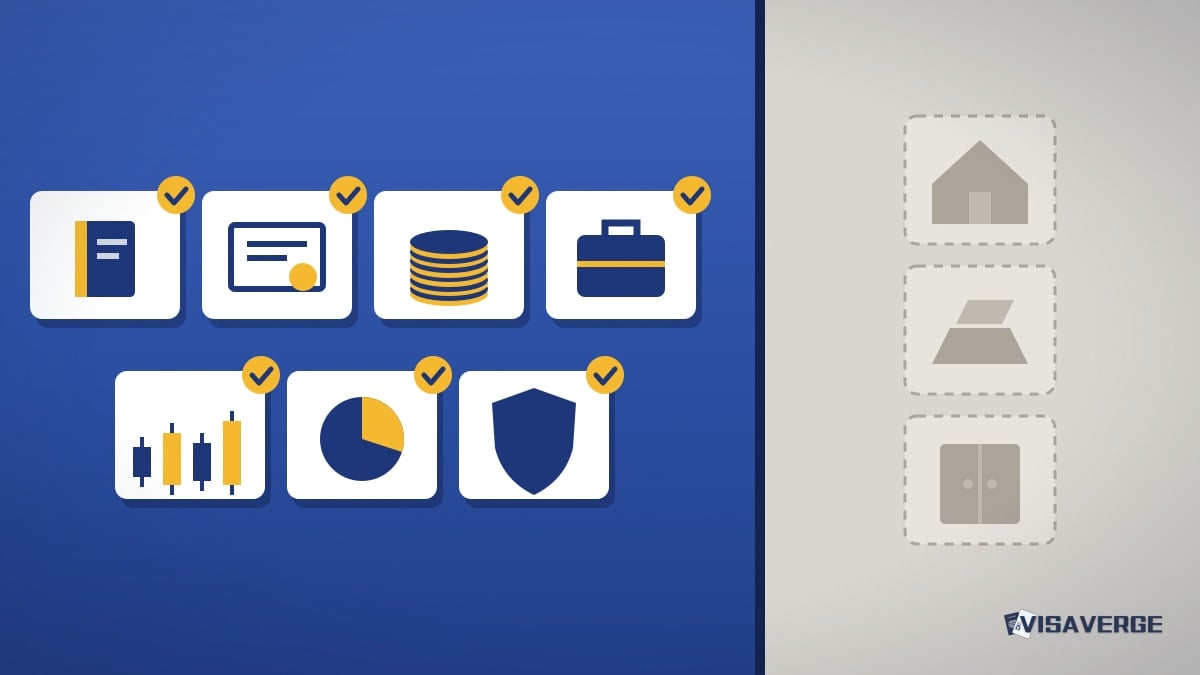
- CapEx involves investing in long-term assets like property or machinery for future growth.
- OpEx covers daily operational costs such as salaries, rent, and utility payments.
- Revenue Expenditure is a broader category for expenses that do not create enduring capital assets.
Businesses classify spending as CapEx, OpEx, or Revenue Expenditure to show whether money built long-term capacity or kept current operations running. The distinction shapes financial statements, changes how profit appears, affects tax treatment, and influences cash flow planning and business valuation.
Accountants use the three terms together because they overlap, but they do not mean the same thing. CapEx refers to capital spending on long-term assets, Revenue Expenditure covers non-capital spending for current business needs, and OpEx sits within that wider revenue category as the operating cost of day-to-day activity.
Investors, startup founders, employers, consultants, multinational businesses, and tax professionals all rely on that classification. A payment recorded one way can sit on the balance sheet for years; the same payment recorded another way can reduce profit immediately in the period it is incurred.
Capital Expenditure, or CapEx, covers money spent on acquiring, constructing, upgrading, or significantly improving assets expected to provide benefit over more than one accounting period. It is spending aimed at future use rather than routine current consumption.
Typical CapEx includes the purchase of land or office premises, construction of a factory or warehouse, heavy machinery, company-owned vehicles, servers, network hardware, and major IT infrastructure. Substantial renovations also fall into the category when they improve the life or capacity of an asset.
The common feature is enduring benefit. If a business creates or improves a long-term asset, the payment is capital in nature.
Operating Expenditure, or OpEx, covers the ordinary expenses incurred in running a business from day to day. These are recurring costs that support current operations and do not usually create a separate long-term asset.
Salaries and wages fall into that group, as do office rent, electricity and internet charges, software subscriptions, cloud service fees, repairs and maintenance, administrative expenses, and routine travel and office costs. A company needs them to keep operating, but it does not usually own a new lasting asset after paying them.
Revenue Expenditure is broader than OpEx. It refers to expenditure incurred for the normal conduct, maintenance, or support of the business where no new enduring capital asset is created.
That includes salaries, rent, utility bills, ordinary repairs, insurance, professional fees, selling and distribution expenses, software subscription charges, office supplies, and day-to-day administration costs. In accounting terms, Revenue Expenditure is generally charged to the profit and loss account in the year in which it is incurred.
OpEx and Revenue Expenditure often overlap heavily, but they are not always identical. Revenue Expenditure is the wider concept, while Operating Expenditure usually refers to the revenue spending tied to normal operations.
Some recurring costs can remain revenue in nature even if a company presents them separately from operating expenses. Finance-related or non-core recurring expenses can fall into that category, which is why the terms should not be treated as interchangeable in every set of accounts.
A simple test separates the categories. If spending creates or improves a long-term asset with enduring benefit, it is likely CapEx; if it pays for running, maintaining, or supporting the business in the current period, it is likely Revenue Expenditure and often also OpEx.
The examples are direct. Buying a factory is CapEx, while paying factory rent is OpEx and Revenue Expenditure. Buying servers is CapEx, while paying cloud subscription charges is OpEx and Revenue Expenditure. Installing new machinery is CapEx, while routine machinery servicing remains OpEx and Revenue Expenditure.
That classification carries immediate accounting consequences. CapEx is generally capitalized, meaning the business first records it as an asset in the balance sheet rather than as a full expense in the profit and loss account.
The cost then spreads over the asset’s useful life through depreciation or amortisation. Machinery purchased for use over ten years does not usually reduce first-year profit by the full amount; the business records the machinery as an asset and expenses part of the cost each year.
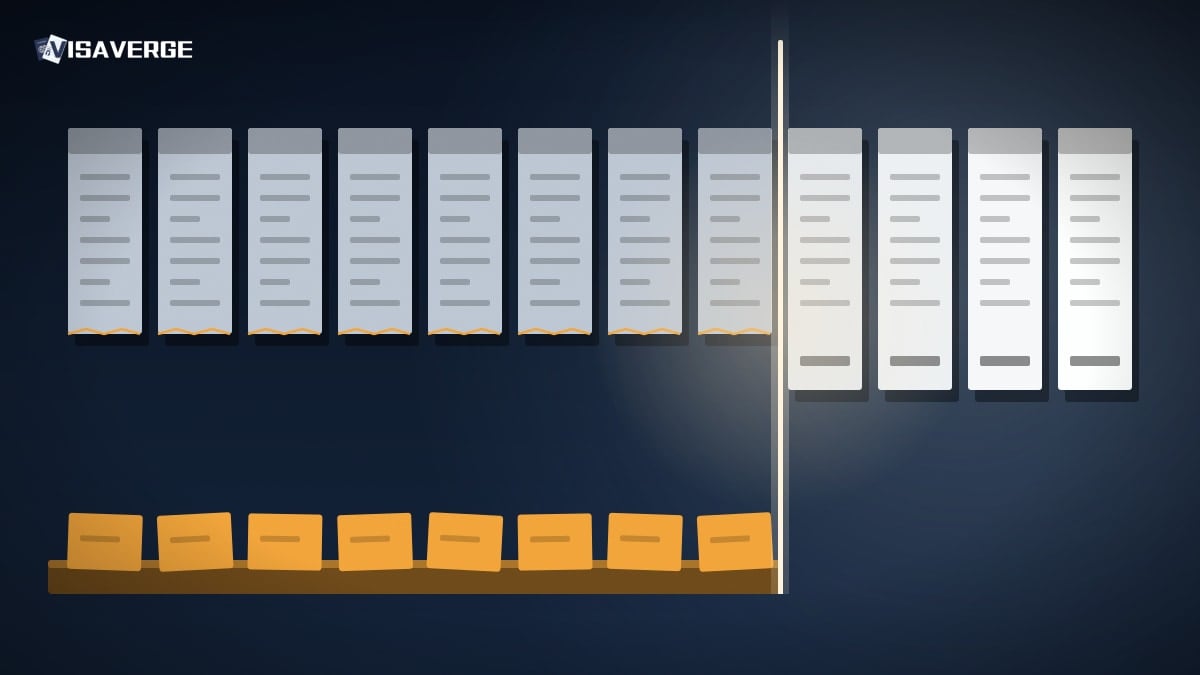
Revenue Expenditure works differently. Most OpEx and other revenue expenses go straight to the profit and loss account in the period incurred, which means monthly rent, salaries, internet charges, cloud subscription costs, and normal repairs reduce current-period profit immediately.
The effect on reported performance can be substantial. If a company treats a payment as CapEx, only depreciation hits profit each year; if it treats the same payment as Revenue Expenditure, the full amount can lower current profit at once.
Cash flow planning follows the same divide. CapEx often requires a substantial upfront outflow, while OpEx and other revenue expenses tend to arrive as periodic payments that are easier to absorb in the short term.
That helps explain why many businesses choose subscription models, leasing, or outsourcing in their early stages. Renting workspace instead of buying office premises, leasing vehicles instead of purchasing them, or relying on cloud infrastructure rather than buying physical servers can reduce the initial cash burden and speed market entry.
Tax treatment adds another layer. In many tax systems, Revenue Expenditure is more often allowed as a current deduction, while capital expenditure may be allowed only through depreciation, amortisation, or specified capital allowances.
Tax authorities therefore examine whether spending is capital or revenue in nature. The question is not semantic; it can determine when and how a business receives relief.
Real-world examples show how the distinction works in practice. Buying office premises counts as CapEx, but paying monthly office rent remains OpEx and Revenue Expenditure. Buying company vehicles is capital spending, while leasing them usually falls into the operating and revenue side.
Technology spending has made the lines more contested. Buying physical servers is CapEx, while cloud infrastructure purchased on subscription is OpEx and Revenue Expenditure. Monthly SaaS fees and annual support or maintenance fees generally remain revenue expenses, but acquisition of a major long-term software platform or implementation cost may sometimes be treated as capital expenditure, depending on the facts and accounting rules.
Repairs create another common grey area. Ordinary repairs that keep an asset in working condition usually count as Revenue Expenditure, but spending that materially improves the asset, extends its useful life, increases its capacity, or changes its character can move into CapEx.
Businesses often build modern models around OpEx because recurring payments offer flexibility. Renting workspace, using the cloud, leasing fleets, and subscribing to software can make it easier to scale across locations without committing large sums upfront.
That approach carries a trade-off. A company may stay asset-light and flexible, but it may also build fewer long-term owned assets and remain dependent on recurring payments.
CapEx still dominates in sectors where ownership, scale, control, and long-term efficiency matter. Manufacturing, logistics, industrial production, warehousing, transport, aviation, energy, and infrastructure-heavy operations often cannot function without substantial capital expenditure.
Even technology companies can choose CapEx where long-term ownership becomes cheaper or strategically necessary. The decision often sits behind wider commercial choices about whether to buy or lease, own or subscribe, or build in-house rather than outsource.
Startups and early-stage businesses face those trade-offs early. Many conserve cash by leaning on leasing, subscriptions, and outsourced services, which keeps spending in the OpEx or Revenue Expenditure column rather than tying up funds in large capital assets.
That model can support faster expansion, especially for digital-first companies and internationally expanding businesses deciding whether to rent or buy office space, hire directly or use service providers, build systems internally or rely on software subscriptions, and invest in owned infrastructure or remain asset-light. Those choices affect funding needs, tax planning, pricing, and risk.
A practical classification framework turns on a handful of questions. Does the payment create a new long-term asset, significantly improve or extend the life of an existing asset, or generate benefit over several years; or is it a recurring cost of current running and maintenance?
Answers pointing to long-term value creation usually indicate CapEx. Answers pointing to current use, maintenance, or ordinary business running usually indicate Revenue Expenditure, with OpEx covering the operating portion of that spending.
The result is a framework that reaches beyond accounting labels. CapEx signals investment in future capacity, Revenue Expenditure reflects present-period business outgo, and OpEx identifies the ordinary cost of keeping operations moving from day to day.
Companies that get the classification right present a clearer picture of profit, plan cash needs more accurately, and make cleaner strategic decisions about ownership, leasing, subscriptions, and scale. The dividing line remains simple even when the facts are not: spending that creates enduring assets belongs on the capital side, and spending that runs the business belongs on the revenue side.