- DHS is preparing to deport 110 Nigerians as part of a larger West African enforcement sweep.
- The operation targets 355 nationals under the West Africa Operations Watch initiative for serious violations.
- Nigeria and Liberia represent over half of the total individuals identified for removal in this phase.
(UNITED STATES) — The U.S. Department of Homeland Security is preparing to deport 110 Nigerians as part of a broader enforcement action against 355 West African nationals identified for removal under the expanded West Africa Operations Watch initiative.
Department officials said the operation targets people who violated U.S. immigration laws or committed serious crimes. The Nigerian group is the largest national cohort in this phase of the action.
DHS framed the sweep in stark terms in a statement published June 3, 2026. “The U.S. Department of Homeland Security is highlighting the worst of the worst criminal aliens arrested by U.S. Immigration and Customs Enforcement. Under DHS leadership, the hardworking men and women of DHS and ICE are fulfilling President Trump’s promise and carrying out mass deportations, starting with the worst of the worst, including the illegal aliens you see here.”
Officials said the cases were identified through coordinated investigations into “visa overstays, illegal entry into the United States, and failure to comply with residency conditions.” That places immigration violations alongside criminal cases in the current operation.
West Africa Operations Watch, or WOW, sits at the center of the current push. DHS has used the program to identify and publicize people slated for removal across a wide stretch of West Africa, with the Operations Watch portal serving as the public face of the initiative.
The numbers show how heavily the operation falls on a handful of countries. After Nigeria’s 110, the next largest groups are Liberia with 94 and Ghana with 30.
Senegal accounts for 19 people and Cameroon for 15. The Gambia and Ivory Coast each account for 14, while Mauritania has 12 and Cape Verde 11.
Smaller groups include Burkina Faso with 9, Niger with 8, Togo with 6, Guinea with 6, Mali with 5, Benin with 1 and Guinea-Bissau with 1. Altogether, the tally reaches 355.
DHS said offense categories historically associated with its “Worst of the Worst” register include serious fraud, money laundering, drug trafficking, smuggling and violent offenses. Individual charges are not always publicized.
The current operation also marks a more public approach by the Department of Homeland Security. DHS published the names and photographs of all 355 people on the WOW portal, presenting the move as a transparency measure and a way for families and foreign governments to verify who is in the system.
That public listing comes as the administration intensifies its deportation policy. The June operation follows shifts in the number of Nigerians marked for removal during the year, rising from 79 in February to 130 in March before settling at 110 in the current June sweep.
Those changes point to an operation that has moved in phases rather than in a single fixed list. DHS said it is carrying out the removals in collaboration with the diplomatic missions of the affected West African countries.
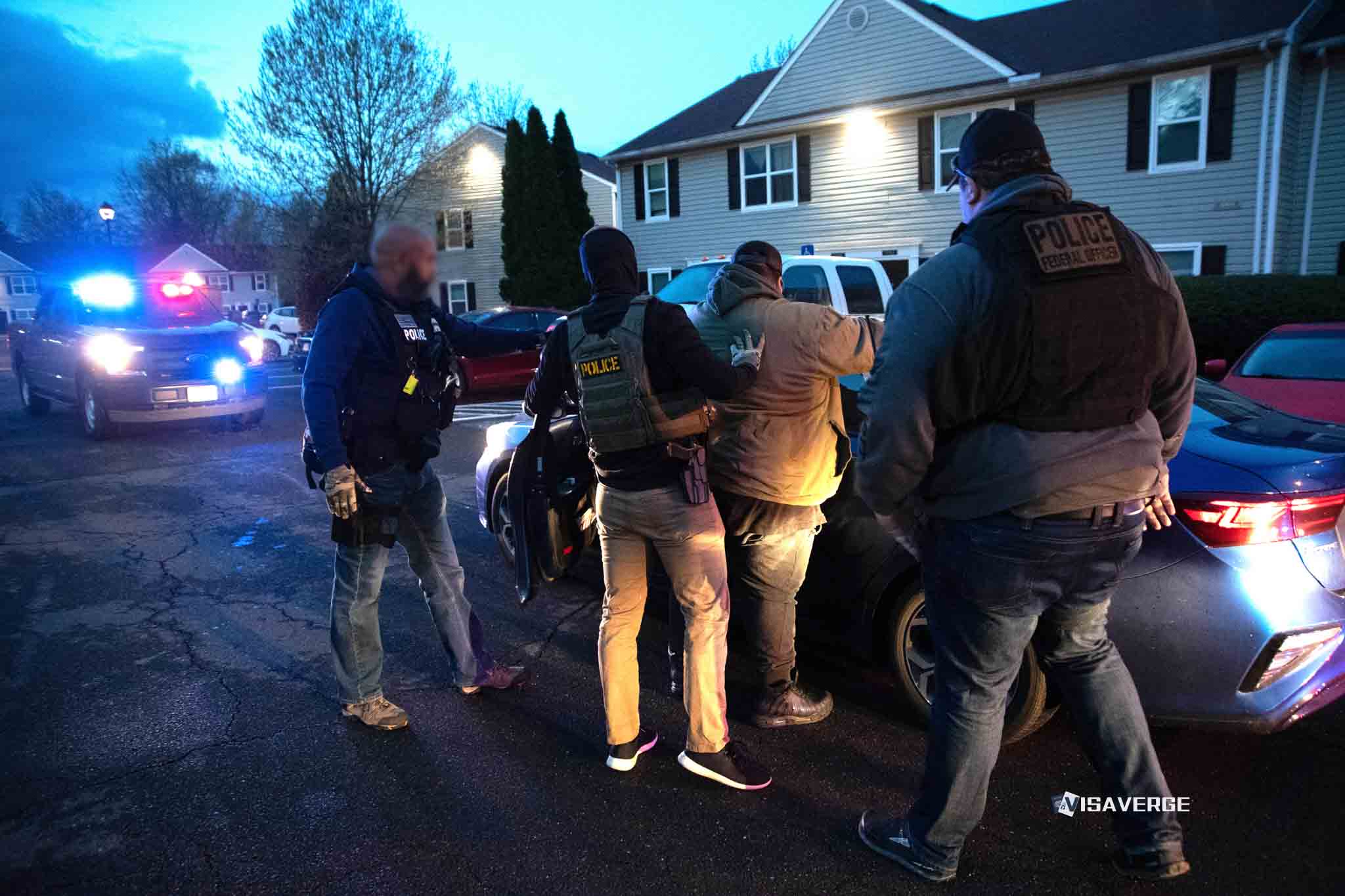
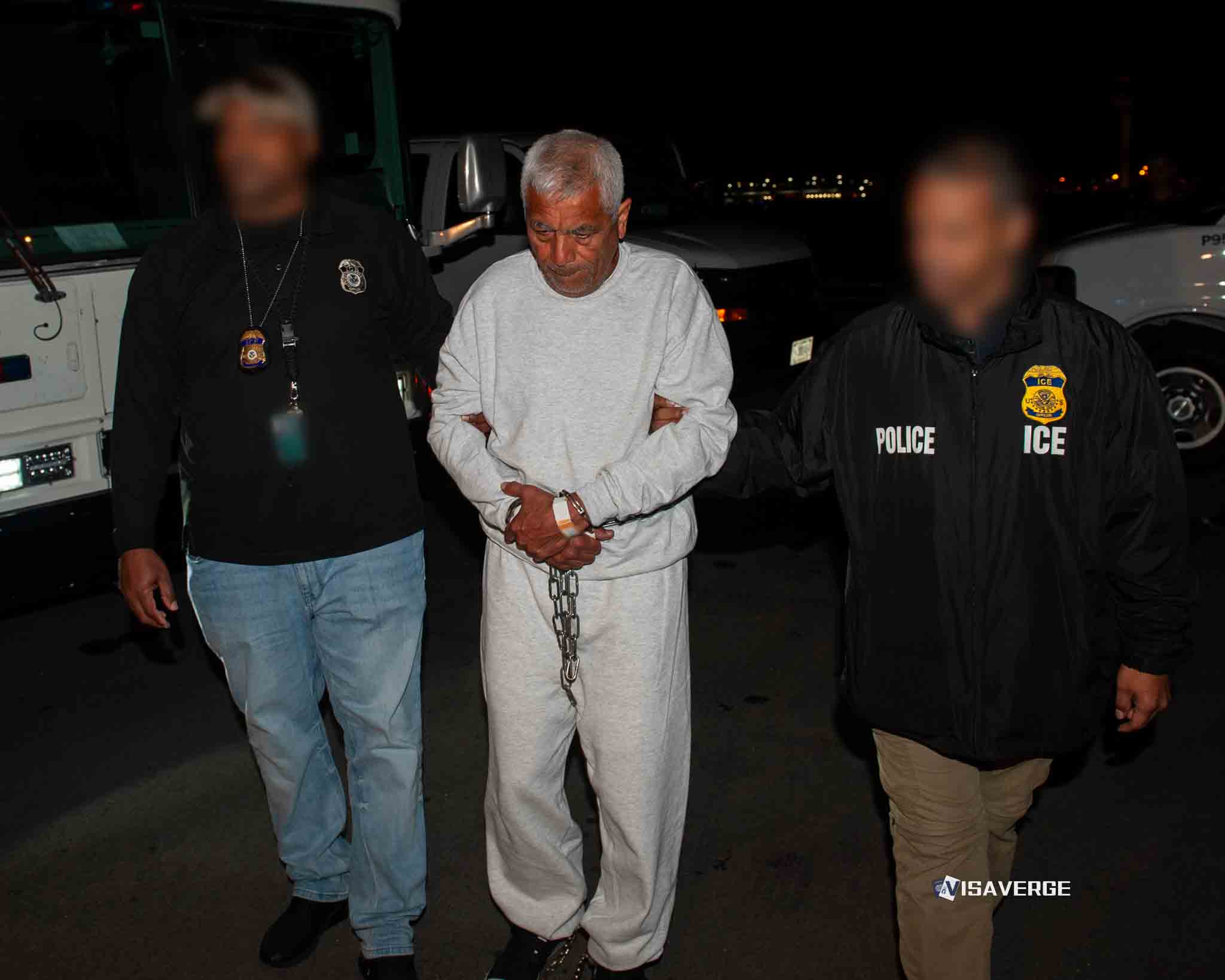
Immigration and Customs Enforcement is the agency carrying out arrests and removals in these cases, according to the department’s statement. The ICE Enforcement and Removal Operations page outlines the branch responsible for detention and deportation work.
People named on the WOW register are in different stages of the removal process across multiple U.S. states. DHS said those listed are generally not eligible for further stays or status adjustments because of the violations or records tied to their cases.
That distinction matters for the Nigerians on the list because the process does not begin at the airport. It starts in detention centers, field offices and immigration proceedings spread across the country, where people move through custody and deportation procedures before a final return flight is arranged.
Nigerians in the current group face the largest single-country removal load in the operation. No other nationality in this phase comes close to the 110 listed for deportation.
The operation’s regional scope also gives it a diplomatic dimension. DHS said the removals are proceeding with cooperation from West African missions, an acknowledgment that deportation flights and intake on arrival depend on government coordination as much as domestic enforcement.
On the Nigerian side, the Nigerians in Diaspora Commission, known as NiDCOM, has historically worked with state authorities and non-governmental organizations to assist deportees after they return. That assistance has centered on reintegration support rather than the U.S. legal process itself.
DHS has paired the WOW rollout with a public information strategy that stretches beyond deportation numbers. Its statement tied the initiative directly to President Trump’s enforcement agenda and cast the campaign as part of broader mass deportations led by DHS and ICE.
That language leaves little doubt about how the administration wants the operation understood. Officials are presenting it not as an isolated set of removals, but as an example of an enforcement model aimed first at people DHS classifies as high-priority offenders while also capturing visa overstays, unlawful entrants and people accused of violating residency rules.
The figures also show how concentrated the action is within West Africa. Nigeria and Liberia alone account for 204 of the 355 people listed, more than half of the total in this phase.
Public records tied to the initiative are housed across several government platforms, including the USCIS newsroom, where the agency posts immigration announcements, and the WOW and ICE pages maintained by the Department of Homeland Security. Access to the WOW portal may be restricted in some regions.
The June deportation plan places Nigeria at the center of the administration’s latest West Africa enforcement push, with 110 names on a roster that DHS has made public and a process that now extends from U.S. detention sites to reintegration efforts on arrival in Nigeria.