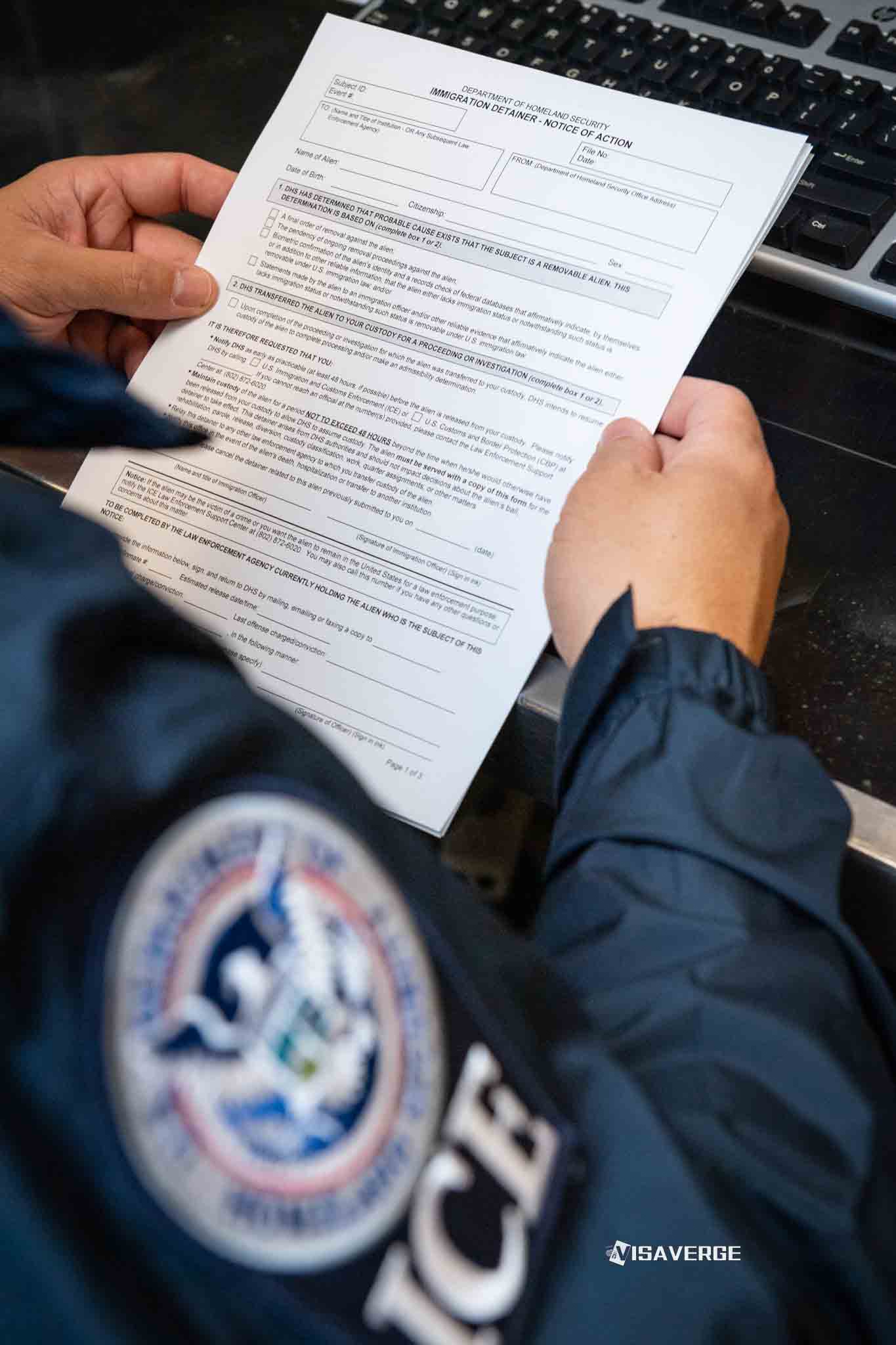
- ICE agents raided West Virginia restaurants in late May, detaining numerous workers and closing several dining locations.
- The operation highlights increased state-federal cooperation through the 287(g) program and significant federal funding boosts.
- New USCIS policies have restricted adjustment of status, forcing many long-term workers toward risky consular processing abroad.
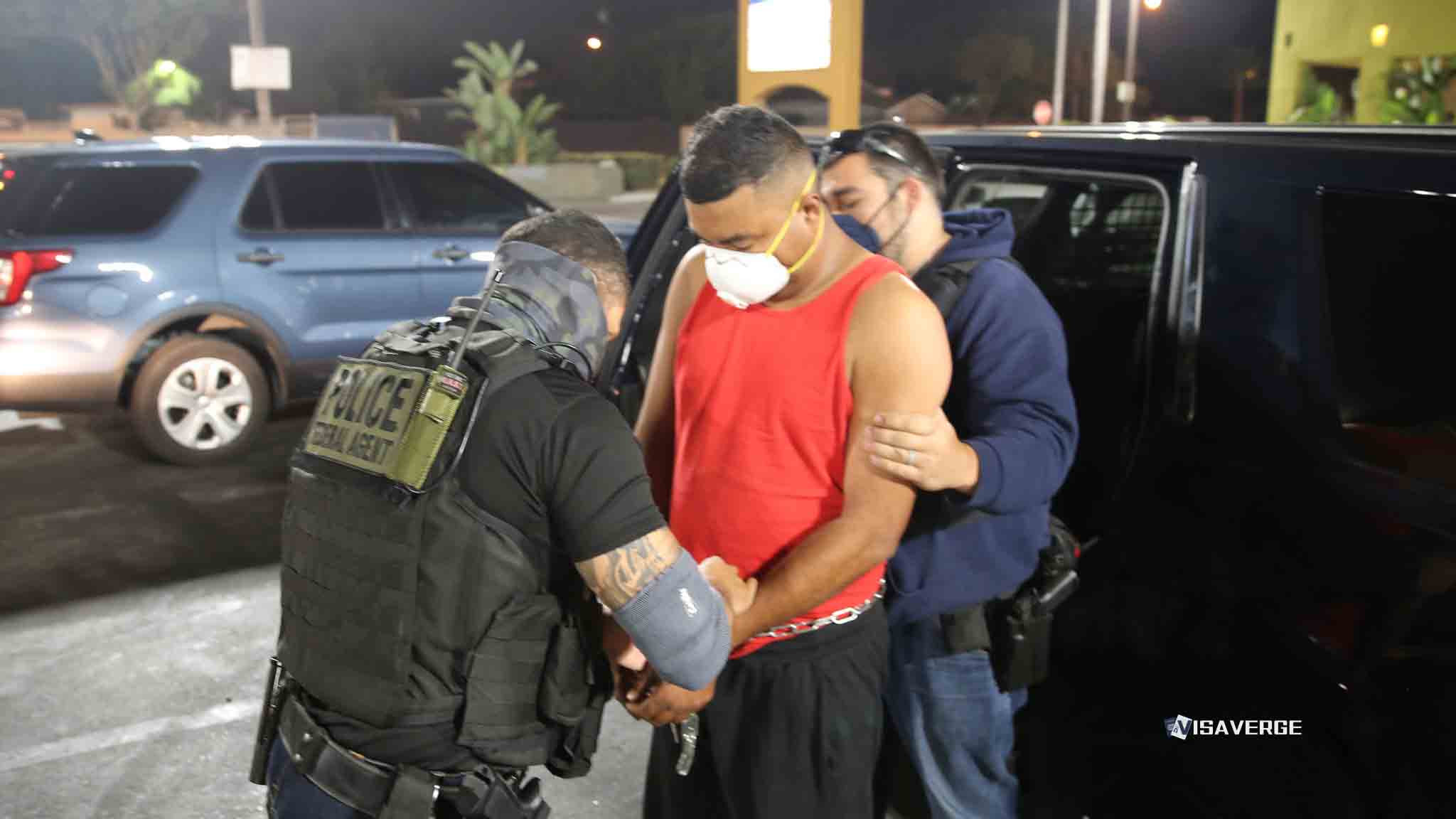
(WEST VIRGINIA) — U.S. Immigration and Customs Enforcement agents raided West Virginia restaurants in late May, detaining workers and closing dining rooms as the Trump administration widened Operation Take Back America and tightened scrutiny of visa compliance.
Raids at Don Patron Mexican Grill locations in Elkins, Weston, and Bridgeport from May 28–30, 2026 left several staff members in custody and forced temporary closures. The actions centered attention on long-time restaurant workers whose legal status often rests on pending immigration cases, expired documents, or applications filed inside the United States.

Federal officials have cast the West Virginia push as a model for broader enforcement. They have linked local arrests, workplace sweeps, and cooperation with sheriffs and police to a national effort that combines ICE raids, criminal prosecution, and stricter limits on immigration relief for people already in the country.
DHS Assistant Secretary Tricia McLaughlin said on February 9, 2026, “West Virginia’s state and local cooperation with ICE serves as a model for how we can work together to make America safe. We have had tremendous success when local law enforcement work with us including. this operation in West Virginia that resulted in the arrest of over 650 [individuals].”
ICE ERO Philadelphia Acting Field Office Director Michael Rose struck the same theme on January 30, 2026. “This operation demonstrates how strong partnerships between ICE and West Virginia law enforcement agencies enhance public safety and the integrity of our immigration system,” Rose said.
Those remarks followed Operation Country Roads, a 15-day surge in January 2026 that produced 650 arrests across West Virginia. The operation relied on the 287(g) program, which allows state and local police to perform immigration enforcement duties.
That state-federal coordination expanded after the One Big Beautiful Bill Act, signed on July 4, 2025, allocated $170 billion for immigration enforcement. The law funds 10,000 new ICE officers and offers vehicles, equipment, and overtime to state and local agencies that sign 287(g) agreements.
West Virginia’s restaurant industry has become one of the clearest testing grounds for that strategy. Kitchen crews and front-of-house staff often include long-term workers who built lives around the expectation that pending petitions, marriage-based cases, or employer sponsorship could allow them to stay and work while their cases moved forward.
USCIS narrowed that path on May 22, 2026, when it issued a memo restricting Adjustment of Status to “extraordinary circumstances” only. The change forces many workers who once expected to apply for permanent residence from inside the United States to leave and seek consular processing abroad.
USCIS Spokesman Zach Kahler said, “We’re returning to the original intent of the law to ensure [non-citizens] navigate our nation’s immigration system properly. When [they] apply from their home country, it reduces the need to find and remove those who decide to slip into the shadows and remain in the U.S. illegally after being denied residency.”
That policy shift matters in restaurant kitchens because work authorization papers, pending adjustment filings, and employer records often overlap. Once adjustment inside the United States becomes far harder to secure, workers with old documents or unresolved cases face steeper exposure during worksite checks.
One recent prosecution in West Virginia shows how the administration has paired workplace operations with document fraud cases. On June 2, 2026, Pablo Dominguez, a Honduran national arrested during a January search warrant in Nitro at Rio Grande Mexican Restaurant, was sentenced for illegal reentry.
His case involved counterfeit I-551 documents used to obtain employment. Federal authorities have treated that conduct as central to current visa fraud investigations tied to restaurant staffing.
U.S. Attorney Moore Capito said on June 2, 2026 that the operation was necessary to “repel the invasion of illegal immigration” and protect communities. That language placed the Nitro sentencing inside the same enforcement frame as the broader workplace sweeps.
The pressure campaign has also drawn legal resistance. U.S. District Judge Joseph R. Goodwin ordered the release of several detainees on February 1, 2026, writing that the government failed to provide “a shred of evidence” that the individuals posed a threat.
Goodwin described some warrantless arrests as an “assault on the constitutional order.” His ruling gave immigration lawyers and civil liberties groups a forceful judicial rebuke to cite as arrests spread through the state.
Local businesses have absorbed the disruption first. Don Patron’s temporary closures cut off pay for staff and interrupted service in three cities. Restaurant owners at Taqueria Lou Lou in Nutter Fort publicly defended their employees as “hardworking people” with no criminal history.
That account sits uneasily beside the administration’s public emphasis on dangerous offenders. On June 2, 2026, the ACLU of West Virginia released a report claiming that 75% of those arrested in recent sweeps had no prior criminal record.
The figure challenges DHS descriptions of a criminal-focused crackdown and sharpens questions about who is getting caught in the latest round of ICE raids. In practical terms, restaurant staff with stable jobs and no criminal cases can still end up in detention if their immigration paperwork falls outside the new lines set by enforcement agencies and USCIS.
West Virginia has become a focal point because it combines aggressive local cooperation, recent federal funding, and a labor sector that often depends on immigrant workers. That mix allows the government to test both sides of the current strategy at once: more arrests on the ground and fewer opportunities to legalize status from inside the country.
The result is a narrower margin for workers who built their plans around marriage petitions, employer sponsorship, or other paths that once made Adjustment of Status possible. A person who leaves for consular processing now risks being separated from a job, family, and community while waiting abroad, with no assurance of a quick return.
Immigration lawyers and advocates have long argued that such pressure pushes people into the shadows rather than into compliance. The administration has taken the opposite view, presenting stricter rules and visible arrests as a way to enforce visa compliance and deter unauthorized work.
Official statements from this year show how firmly the administration has embraced that approach. McLaughlin praised cooperation that produced over 650 arrests. Rose credited partnerships with West Virginia agencies. Kahler tied visa policy to removal enforcement. Capito linked criminal prosecution and community protection.
Each piece fits inside Operation Take Back America, which has moved beyond border rhetoric into restaurant kitchens, payroll records, and counterfeit document cases. West Virginia’s recent actions show how that strategy operates on the ground, through local officers, federal agents, and policy memos that reduce options for people already living and working in the state.
People seeking to track the government’s account of those actions can review statements in the [DHS Newsroom](https://www.dhs.gov/news-releases), enforcement updates in the [ICE Newsroom](https://www.ice.gov/newsroom), visa policy documents in [USCIS Policy Memoranda](https://www.uscis.gov/laws-and-policy/policy-memoranda), and prosecutions through the [U.S. Attorney’s Office, Southern District of West Virginia](https://www.justice.gov/usao-sdwv).
What remains visible in West Virginia is the immediate effect: shuttered restaurant locations, workers taken away in handcuffs, and a legal climate that now gives many fewer routes to stay. In a state that officials describe as a model for cooperation, the fight over immigration enforcement is no longer abstract. It is playing out at the lunch rush.