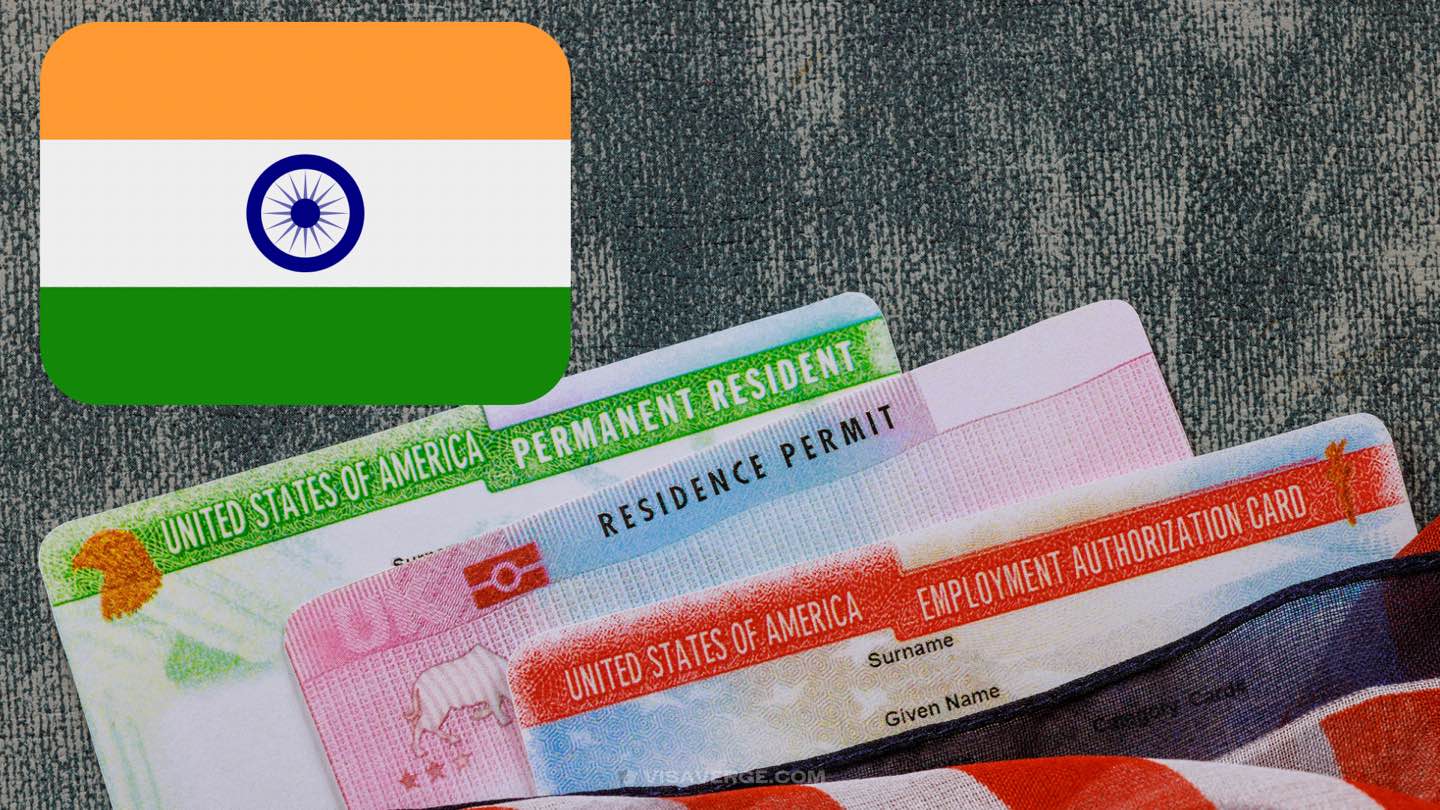
Understanding the Employment-Based Green Card Process
The journey to secure a green card in the United States is a complex one, particularly for those coming from India—a nation with an expansive population and an impressive focus on STEM education. As it currently stands, the U.S. immigration system grants 140,000 employment-based green cards each year. However, not every applicant has the same chance due to a per-country cap, and Indian H-1B visa holders face an especially challenging path.

Per-Country Green Card Caps and Their Impact
Contrary to what many might assume, employment-based green cards are not simply given on a first-come, first-served basis. In an effort to diversity, the U.S. immigration system limits each country to no more than 7% of the total annual allotment. This rule disproportionately affects Indian nationals, given the size of India’s population and the high number of Indian workers on H-1B temporary visas. Despite contributing significantly to the U.S. economy, they are caught in a lengthy and uncertain wait due to backlogs.
Free toolCSPA Age-Out Calculator Online“The Cato Institute estimates that 1.1 million Indians are in the green card backlog in the employment categories.”
Furthermore, while individuals from countries with fewer applicants can receive their green cards relatively swiftly, some Indian H-1B visa holders may be looking at a wait of over a century, should the current system remain unchanged.
Challenges Faced by Indian Immigrants in the Green Card Queue
The lengthy backlog creates several dire consequences for Indian citizens:
- Many will have spent most of their life in the U.S. without secure permanent status. Shockingly, over 400,000 are predicted to pass away before reaching the front of the line.
- Over 100,000 children of Indian green card applicants risk losing their lawful status on turning 21, facing a stark choice: become undocumented or leave their home country.
- Indian workers are often stuck in jobs without the ability to seek better employment due to the risk of losing their place in the green card queue if they change employers.
This situation calls into question basic human rights and equity in the immigration process.
The Historical Roots of Country Caps and Movements for Change
The root of per-country caps can be traced back to 1924, steeped in eugenicist thinking. While Congress made significant strides toward equality by dismantling racially biased immigration policies in 1965, the cap system persists, continuing to pose a barrier to nonwhite immigrants.
Some employers and immigration advocates argue that lifting the per-country cap could alleviate these issues. It would enable skilled workers to enter the U.S. more easily to fill gaps in the workforce, benefiting employers and families alike.
Stalled Efforts For Green Card Reforms
In 2020, steps towards change were initiated, as Congress nearly passed legislation to eliminate the per-country caps. There was also talk of increasing the annual limit of employment-based green cards to 270,000. Unfortunately, differences between the House and Senate versions of the bill, along with broader immigration policy disagreements, have stalled these efforts.
“Sadly, this issue appears to be stalled along with a much broader and needed immigration reform in this country.”
Looking Ahead: The Future of U.S. Green Card Policies
As the debate continues with strong opinions on both sides, finding a resolution to the green card backlog remains uncertain. In the midst of political disagreements, countless individuals from India continue to navigate the complexities of the U.S. immigration system.
For those seeking further understanding of the current policies and processes related to employment-based green cards, authoritative sources such as the United States Citizenship and Immigration Services (USCIS) provide detailed information that applicants and their families may find helpful.
Until broader immigration reforms are enacted, the situation for Indian H-1B visa holders exemplifies the pressing need for an overhaul of an immigration system many view as outdated and inequitable.
And there you have it, folks! The wild journey of securing an employment-based green card in the U.S. for Indian H-1B visa holders. It’s like playing a never-ending game of hide and seek! ?️♂️ But hey, if you want to dive deeper into this immigration maze and learn more about the whole process, head over to visaverge.com. Trust me, it’s well worth the click! ?
This Article in a Nutshell:
The employment-based green card process in the U.S. has a per-country cap that affects Indian H-1B visa holders the most. This creates backlogs, long waits, and challenges for Indian immigrants. Efforts to reform the system and eliminate the caps have stalled. An overhaul of the immigration system is needed.