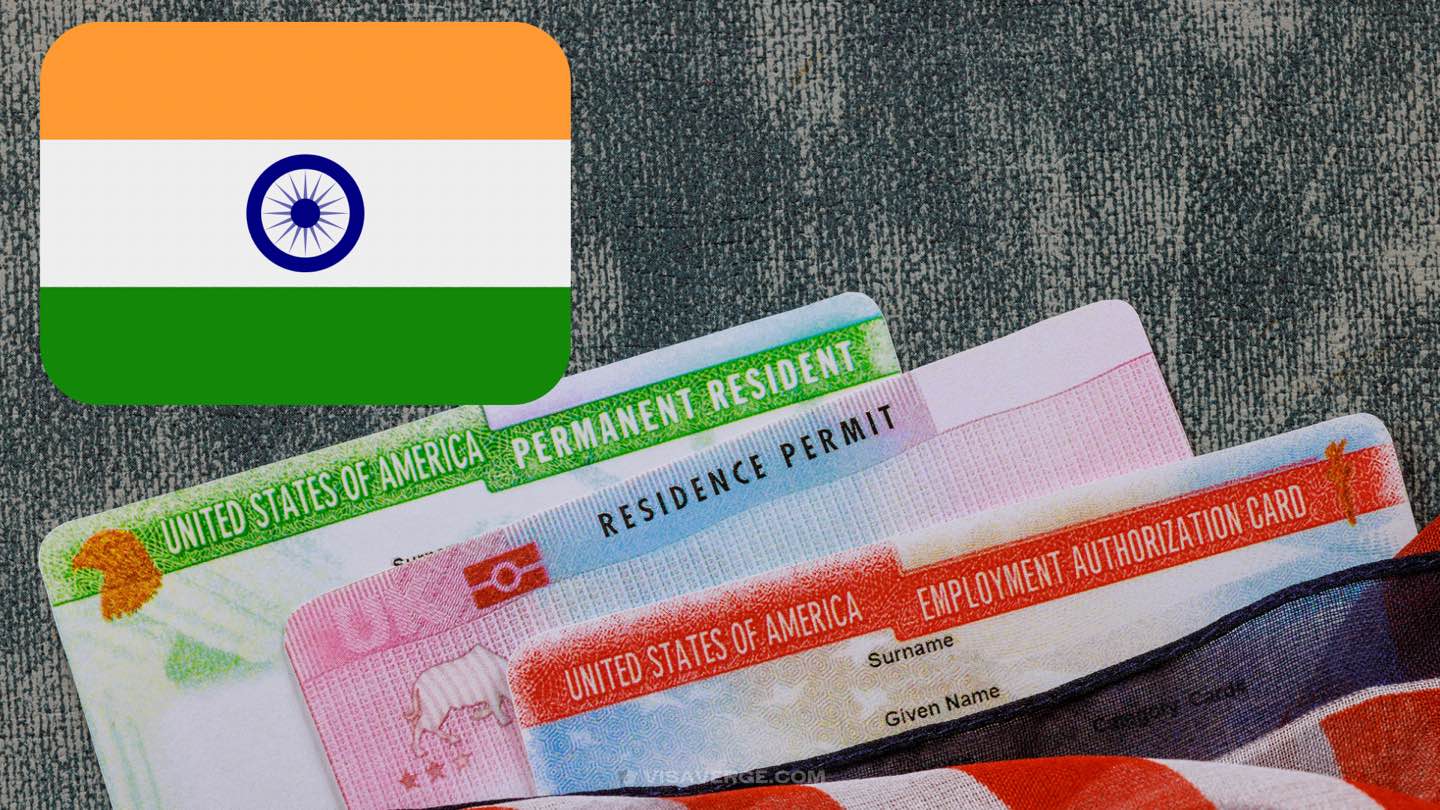
The journey to obtaining a U.S. green card is fraught with challenges, particularly for individuals from countries like India, where applicants must endure a wait that could extend over a century. The green card backlog has burgeoned to a staggering 1.8 million applicants as of March 2023, a significant rise from the 1.2 million reported in 2018. This issue underscores the critical need for immigration reform, focusing on the elimination of cumbersome rules and arbitrary caps that contribute to the delays.
Why Does the Green Card Wait Time Matter?
For countless immigrants, a U.S. green card is not just a legal document; it’s a ticket to a new life, offering employment opportunities, security, and the possibility of citizenship. The protracted wait times severely impact their lives, careers, and families, leaving many in a state of limbo. Moreover, the delay does a disservice to the U.S. itself, which stands to gain from the rich diversity and economic contributions of immigrants.
Free toolCSPA Age-Out Calculator OnlineThe Plight of Indian Applicants
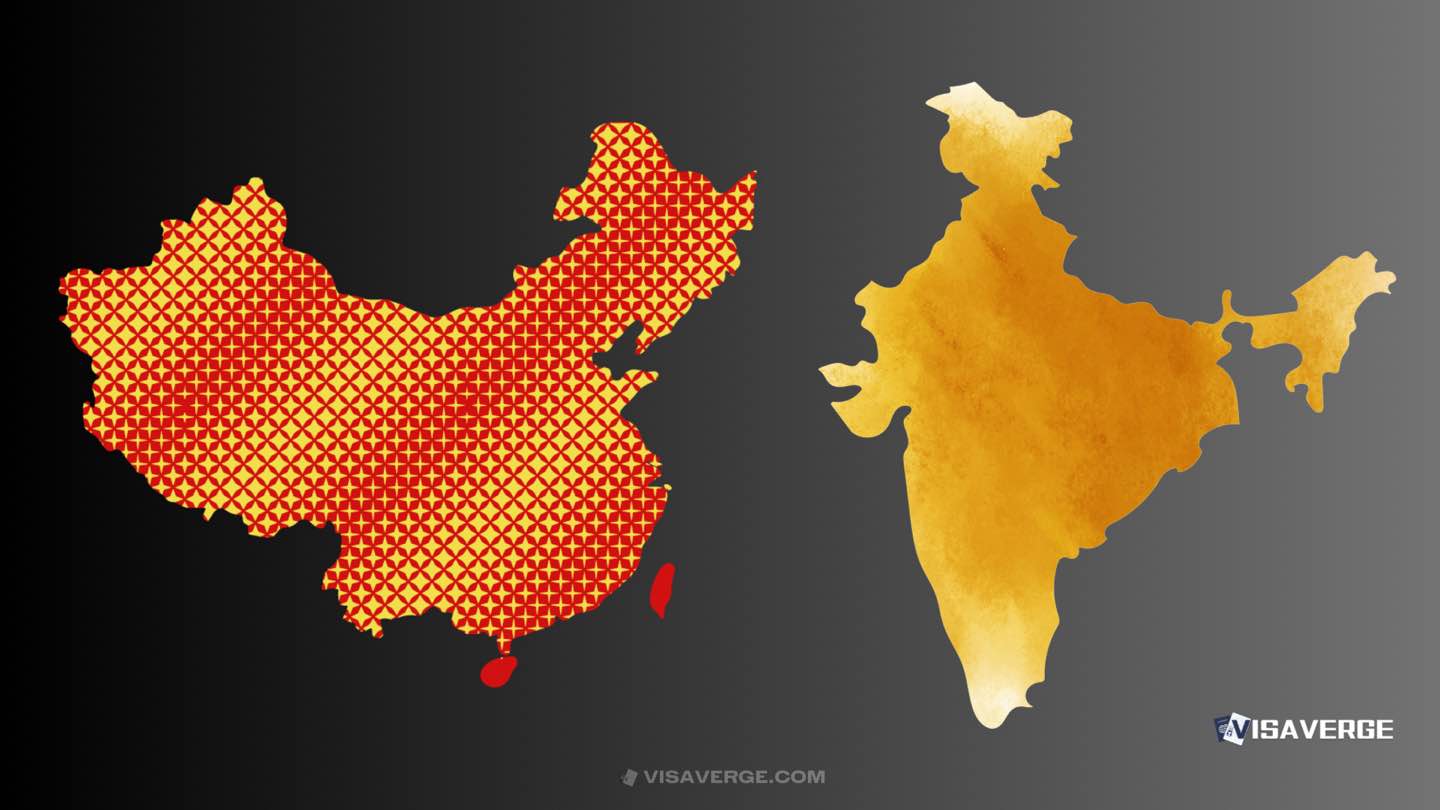
Particularly for Indians, the green card backlog presents a daunting hurdle. “Indians — who make up half the applicants in the employer-sponsored categories — must wait more than a century for a green card,” according to David J. Bier of the Cato Institute. This disproportionate impact is primarily due to per-country caps, which do not reflect the demand from high-population countries like India and China.
How Can Congress Address Green Card Backlogs?
The pathway to resolving the green card backlog lies in legislative reform. By waiving the “unnecessarily onerous rules and arbitrary caps,” Congress can significantly alleviate the backlog. Furthermore, addressing the systemic issues stemming from a century of restrictive immigration policies can help realize the untapped economic potential of immigrants. Bier suggests a bold move: approving 35 million pending applications to boost the U.S. economy and address demographic challenges.
What Are the Proposed Solutions?
To combat the green card backlog effectively, several strategies emerge:
- Increasing Annual Immigration Limits: The overall cap on employment-based green cards, set at 140,000 per year, coupled with any unused family-sponsored green cards, falls woefully short of the demand. Adjusting these numbers to reflect the backlog and future needs could be a significant step forward.
-
Eliminating Per-Country Caps: Given that applicants from countries like India face over a century’s wait, removing or adjusting these caps could create a fairer, more equitable system.
-
Facilitating Legal Immigration: By approving all existing applicants and increasing legal immigration nearly fivefold, the U.S. could prevent many of the adverse consequences of demographic decline and reduce illegal immigration.
What Challenges Do Immigrants Face During the Wait?
The extensive wait for a green card subjects immigrants to a life of uncertainty. For those on H-1B visas, especially, this uncertainty affects decisions about careers, family, and investments in the U.S. The emotional and financial toll of this waiting period cannot be understated, highlighting the urgent need for reform.
How Will Reform Benefit the U.S.?
Reforming green card policies and addressing backlogs has benefits far beyond the immigrant community. With the U.S. facing demographic and economic challenges, the influx of skilled and ambitious immigrants could provide a much-needed boost. As Bier points out, “The United States is facing both short- and long-term demographic and economic challenges that these aspiring Americans can help address.” Furthermore, a reformed system could significantly reduce illegal immigration by providing a viable path for legal entry.
The Path Forward
The call for action is clear: “Congress should start by waiving the unnecessarily onerous rules and arbitrary caps to approve current green card applicants,” Bier states. This historic opportunity to leverage the demand for green cards can invigorate the U.S. economy and society, and more importantly, fulfill the American dream for millions waiting in line.
Addressing the green card backlogs requires a concerted effort from lawmakers, immigration advocates, and the broader public. It’s not just about streamlining processes; it’s about recognizing the invaluable contributions immigrants bring to the fabric of American society. By adopting comprehensive reform measures, the U.S. can ensure that the long wait for countless individuals vying for a chance at the American dream becomes a tale of the past.
For further information on the current immigration policies and processes, individuals are encouraged to visit official immigration websites and resources like the U.S. Citizenship and Immigration Services (USCIS) for the most up-to-date guidance.
This Article In A Nutshell:
Understanding Green Card Backlogs: The arduous journey to U.S. permanent residency is exacerbated by massive green card backlogs, hitting 1.8 million applicants in 2023. Reforms like eliminating per-country caps and addressing systemic issues can offer hope. Swift action is needed to unlock the economic potential of immigrants and enrich America’s cultural tapestry.