What Does it Mean to Become a Permanent Resident in the US?
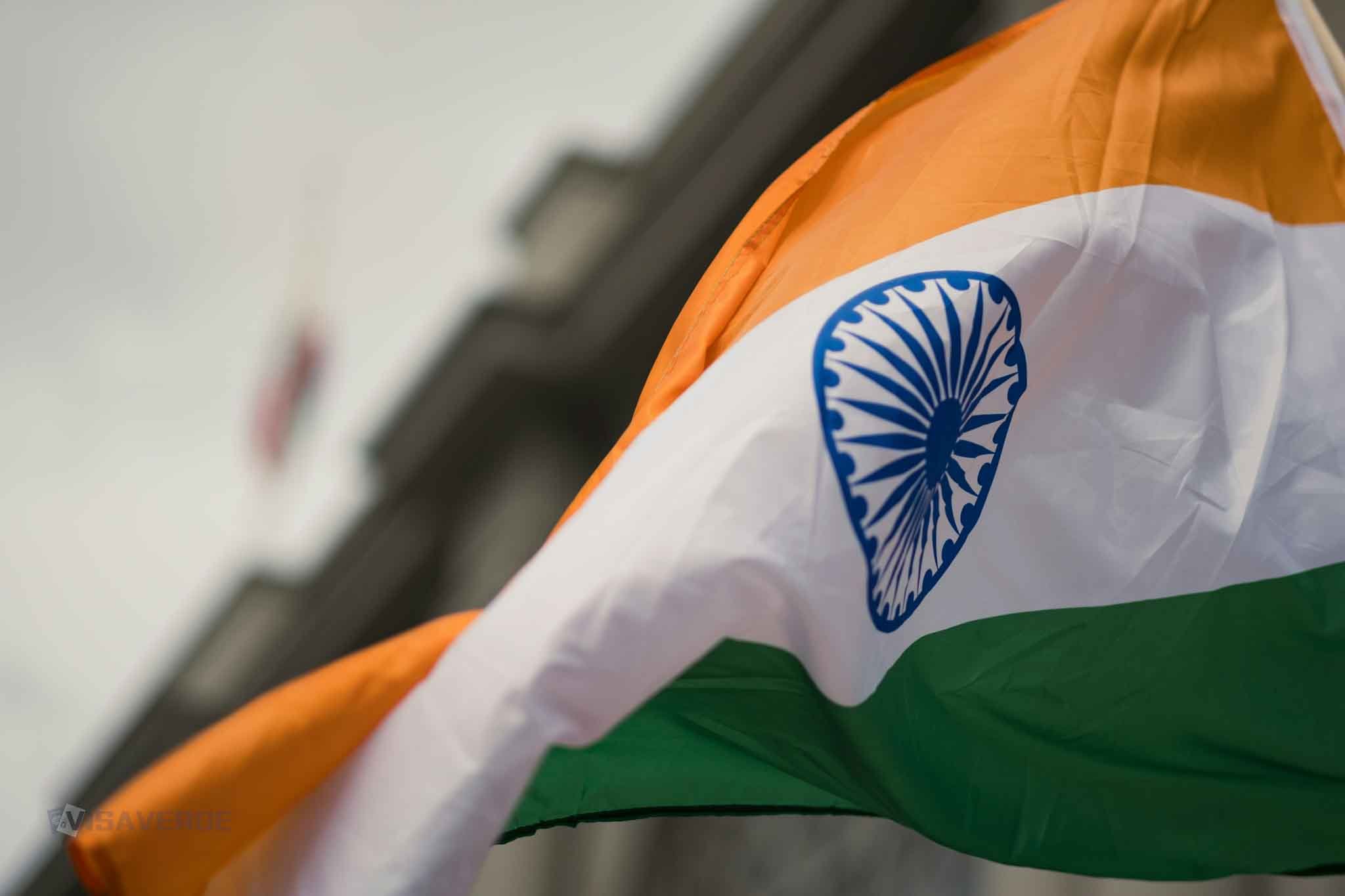
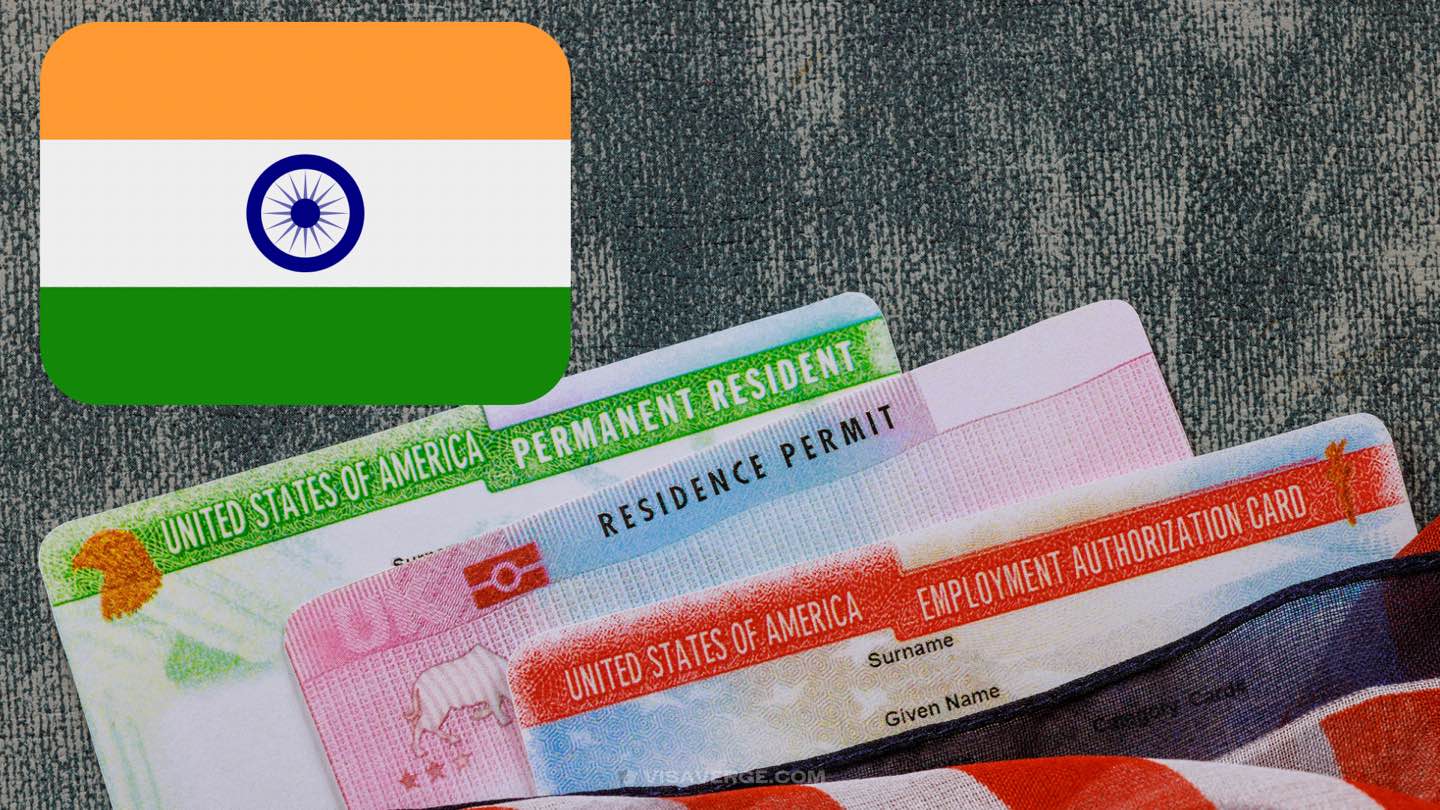
The journey to US immigration is often fraught with challenges and long waits, particularly for tech professionals from countries like India. This is exemplified by the story of an Indian Techie who achieved Permanent Residency after awaiting and working in the United States for 3,505 days. This milestone is signified by the acquisition of a Green Card, a document proving that the holder has been allowed to live permanently in the US.

How Restrictive are H-1B Visas?
For many Indian professionals, the H-1B visa is a common pathway to working in tech roles within the US. However, this visa type is notably restrictive. As the Indian Techie pointed out in a series of now-deleted X posts, “A H-1B visa is incredibly restrictive. You need a new visa stamp every few years from the US consulate outside the country. If you don’t have one, you cannot enter the US. I have never been able to attend a single conference because of this.” These restrictions significantly limit flexibility in both professional and personal spaces.
Free toolCSPA Age-Out Calculator OnlineWhen Can One Reach Permanent Residency?
The long tenure of waiting hinted at by the term of 3,505 days is further amplified by the current system’s bottlenecks. In recent developments from March, US lawmakers from both Democratic and Republican parties highlighted the urgent need to address the backlog for Green Cards. They emphasized on eliminating the seven per cent country cap which disproportionately affects Indian professionals, leading to a waiting period that could extend beyond 20 years and in many cases, even over 70 years.
These significant hang-ups in the system underscore the importance of navigating the journey to permanent residency with patience and detailed knowledge of the immigration process. The status of permanent residency brings several benefits, as relayed by the Indian Techie following their approval: “I can travel without constantly having to worry about my visa stamp or my I-94 date or a million other things.” This sense of relief and stability is what many aspire to when they begin their American dream.
What is the Public Reaction to Such Immigration Stories?
The social resonance of the Indian Techie’s post, gathering over 3.8 lakh views and about 2,400 likes, demonstrates a widespread empathy and interest in immigration stories. The varied comments and interactions reflect a community’s engagement and shared experiences or concerns around US immigration policies and their impacts.
Are There Advocates for Improving the Immigration Process for Tech Professionals?
Yes, the bipartisan initiative by US lawmakers to tackle the Green Card backlog shows that there is significant advocacy at higher administrative levels aimed at making the process more reasonable and timely. By addressing these systemic delays and pushing for legislative amendments, there is hope that future applicants will face a smoother and faster path to permanent residency.
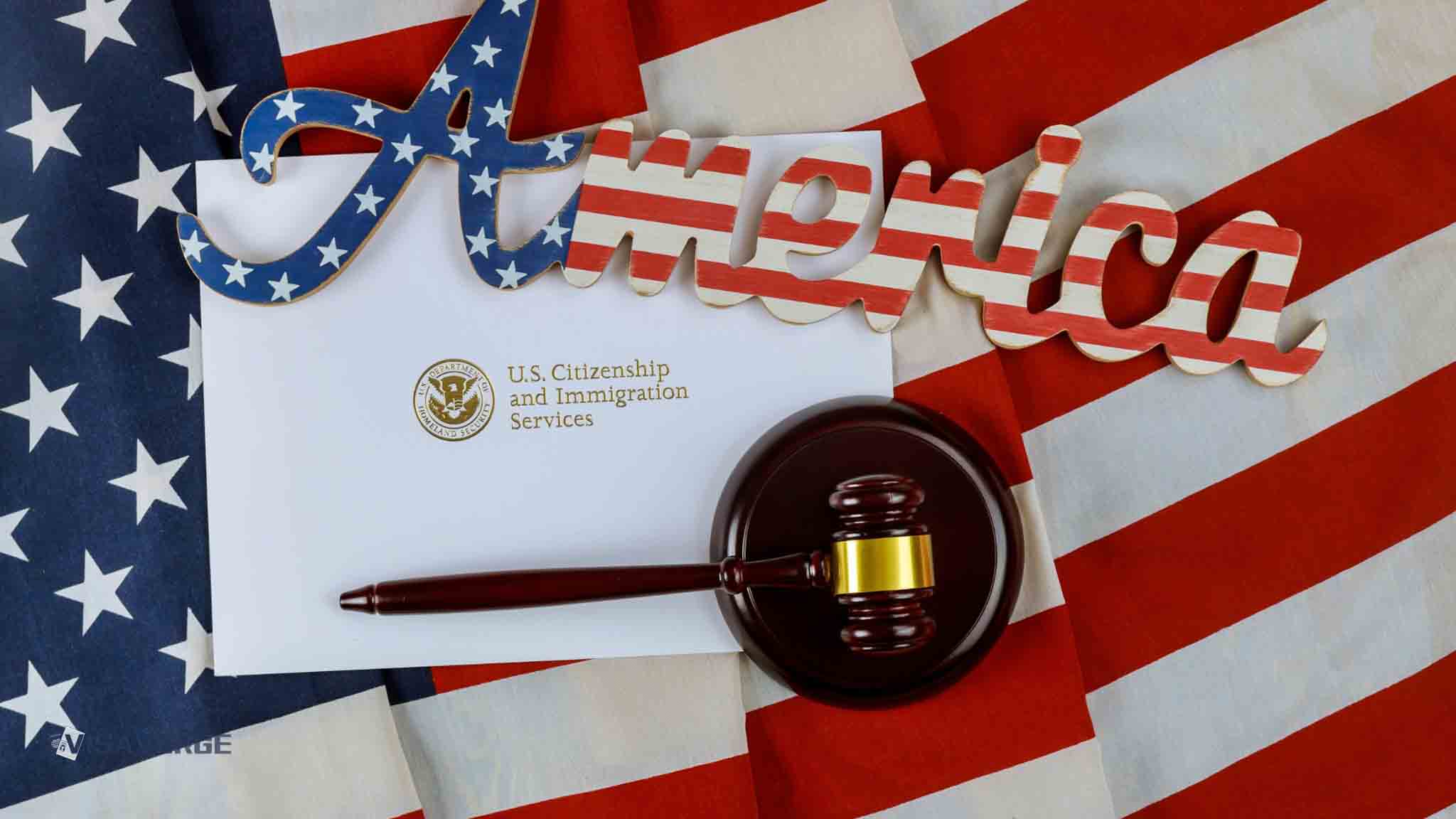
For those seeking more detailed information on applying for a Green Card and understanding its benefits, a visit to the USCIS official page might provide comprehensive insights and guidelines.
In conclusion, becoming a permanent resident in the US is a significant personal and professional milestone for many Indian tech professionals. While the road is laced with bureaucratic challenges, the eventual attainment of a Green Card opens up new avenues of opportunity and security in the vibrant landscape of American tech industry.
Learn Today:
- Green Card: A Green Card, officially known as a Permanent Resident Card, is a document issued by the U.S. government to foreign nationals, allowing them to live and work permanently in the United States. It signifies that the holder has legal permanent resident status in the country.
-
H-1B Visa: The H-1B visa is a non-immigrant visa that allows U.S. employers to temporarily employ foreign workers in specialty occupations. It is commonly used by professionals in fields such as technology, engineering, and science. H-1B visas are subject to specific restrictions and often require periodic renewal.
-
Green Card Backlog: The Green Card backlog refers to the significant delay in the processing of employment-based Green Card applications, resulting in a long waiting period for many foreign nationals, particularly those from countries like India and China. The backlog is primarily caused by annual visa quotas and country-specific caps.
-
Country Cap: The country cap refers to the limit placed on the number of Green Cards that can be issued to individuals from a particular country in a fiscal year. This cap, currently set at seven percent per country, can lead to disproportionately long waiting times for nationals of countries with high demand for U.S. immigration, such as India and China.
-
Advocacy for Immigration Reform: Advocacy for immigration reform involves efforts by individuals, organizations, and lawmakers to push for changes in immigration policies and procedures to make the system more efficient, fair, and inclusive. This advocacy can take various forms, including legislative initiatives, public campaigns, and legal challenges, aimed at improving the immigration process for all stakeholders.
This Article In A Nutshell:
Becoming a permanent resident in the US is a crucial step for Indian tech professionals, marked by acquiring a Green Card after a lengthy process. Challenges include H-1B visa restrictions and enduring wait times, as highlighted by recent legislative discussions on addressing Green Card backlogs. Advocacy efforts aim to create a smoother path to residency, offering hope for future applicants.
— By VisaVerge.com
Read More:
-
Understanding the Green Card Backlog for Indian Professionals
Explore the crisis of massive green card delays affecting Indian professionals -
Key Reasons for Green Card Revocation in the US
Learn about the circumstances that lead to losing permanent resident status in America -
EB-3 Green Card: Answers to Your Top Questions
Get the facts and expert advice on the EB-3 employment-based green card -
Comparative Analysis of U.S. Green Card Wait Times: Indians vs. Chinese
Understand the differences in green card processing times between Indian and Chinese nationals