- APFA warned that intensified immigration enforcement is putting more than 26,000 crew members and passengers in difficult situations at U.S. airports.
- The union said reported detentions have involved Denver, Las Vegas, Phoenix and Nashville, with San Francisco also tied to concerns.
- AFA-CWA told flight attendants they do not have to assist with questioning, identification, or detentions.
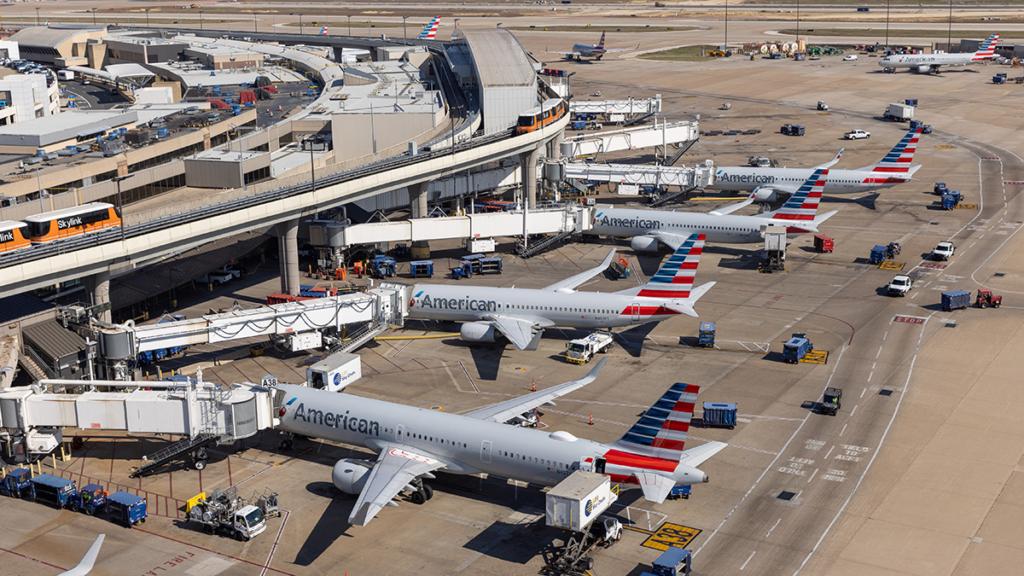
The Association of Professional Flight Attendants warned Sept. 1 that intensified immigration enforcement is putting American Airlines crews and passengers in difficult, sometimes dangerous situations at U.S. airports. The union represents more than 26,000 crew members.
The warning came as federal officers increasingly approached people during routine airport activity, including in boarding areas and other airport spaces. The union said those encounters were creating confusion for employees responsible for both passenger care and security procedures.
“Flight crews and the flying public are being placed in difficult, sometimes dangerous positions by this increased activity,” the union said.
The statement described the problem as more than an immigration-enforcement dispute. APFA said the activity was affecting flight operations, employee safety and the airline’s business.
“The unprecedented level of ICE arrests and the chaos it is creating at airports is a serious threat to our members, our passengers, and our business.”
APFA said it was “deeply alarmed” by what it characterized as aggressive tactics aimed at passengers and crew. The union also said some airport employees and cabin crews still lacked clear direction when federal law-enforcement activity conflicted with ordinary security protocols.
Reported detentions and attempted detentions have involved Denver, Las Vegas, Phoenix and Nashville. Coverage also identified San Francisco International Airport as a location tied to the broader concerns.
A separate union tells crews where their role ends
The Association of Flight Attendants-CWA issued separate guidance for crews working across multiple airlines. That union represents 55,000 flight attendants across ten airlines.
Its advisory told members they could remain silent when officers asked about passengers or coworkers. It also addressed requests to identify people or participate in enforcement actions.
“You do not have to answer questions about passengers or coworkers,”
“You do not have to answer questions or direct law enforcement to particular passengers or individuals.”
The advisory added that flight attendants “cannot be required to assist in an arrest or detainment in any way.” The guidance has become part of a wider labor and legal dispute over airline employees’ obligations when federal immigration officers approach them in non-public airport areas.
The two unions addressed different parts of the same workplace problem. APFA focused on the effect of enforcement activity on safety and airline operations. The AFA-CWA guidance focused on what cabin crew members should do during questioning or attempted detentions.
A misplaced firearm added a separate airport safety concern
A recent incident at the San Francisco airport heightened the safety concerns surrounding federal activity in public areas. A flight attendant found a gun that an ICE agent had left in a public restroom and reported it to airport security.
The incident involved airport equipment and procedures, but the flight attendant’s response was straightforward: find the weapon, then alert security personnel. It also underscored the practical difficulties crews face when law-enforcement activity unfolds alongside ordinary passenger operations.
APFA is collecting anonymous reports from crew members about immigration-related incidents at work. The reporting channel gives the union a way to track encounters involving passengers, employees and airport operations without requiring workers to identify themselves publicly.
The union’s warning covered more than isolated interactions. It said federal actions “erode our values, threaten constitutional protections, and endanger our livelihoods.”
That language places the airport incidents within a broader argument about the role of airline employees when immigration officers operate near gates, boarding areas or other airport facilities. Crew members remain responsible for managing flights, while officers may seek access to passengers or information.
APFA said the resulting uncertainty threatened members, passengers and business operations. The union’s concern is that unclear procedures can leave employees unsure whether following one instruction could conflict with another responsibility.
The warning followed a broader rise in immigration-enforcement activity at U.S. airports involving passengers and airline workers. The airports cited in the reporting span major travel markets, from Denver and Las Vegas to Phoenix, Nashville and San Francisco.
The APFA statement carried a Monday, September 1, 2026, date. Its call for anonymous workplace reports and the separate AFA-CWA guidance show unions continuing to document encounters and define what flight attendants should, and should not, do when officers ask for help.