January 3, 2026
- Updated headline and focus to reflect 2026 changes: ETIAS, EES, and 90/180 enforcement
- Added ETIAS details: mandatory for visa-exempt nationals starting Q4 2026, €7 fee, 3-year validity
- Added EES biometric rollout dates: started Oct 12, 2025 (Fiumicino/Malpensa) and full implementation by April 2026
- Clarified passport requirements: issued within last 10 years and at least 3 months validity beyond departure
- Expanded penalties and enforcement: automated overstay detection, fines (€5,000–€10,000) and 1–5 year entry bans
(ITALY) Italy is keeping visa-free short visits for many travelers, but entry is becoming more digital in 2026 as the Schengen Area expands biometric border checks and prepares to require ETIAS pre-travel approval in Q4 2026. If you’re heading to Italy for tourism, business, or transit, your timeline and documents matter more because the system will count your days automatically.

According to analysis by VisaVerge.com, the biggest practical shift for most travelers isn’t a new visa category, but new screening and tracking tools that change what happens at the airport and how overstays get flagged.
The 2026 journey at a glance: pick the right track early
Your first task is to sort your trip into one of three tracks. Each track has different steps, fees, and border checks.
- EU/EEA/Swiss citizens: enter with a passport or national ID and don’t need a visa for any length of stay. Stays over 90 days require local registration.
- Visa-exempt nationals: (including the United States ??, Canada ??, the United Kingdom, Australia, New Zealand, Japan, Israel, the UAE, Hong Kong, and Taiwan) can still visit up to 90 days in any 180-day period without a visa, but ETIAS becomes mandatory in Q4 2026 for short stays.
- Non-exempt nationals: must apply for a Schengen visa (Type C) for short stays, or a National visa (Type D) for stays beyond 90 days.
Italy also keeps basic health-entry rules simple: no COVID-19 vaccination, test, or recovery proof is required, reflecting changes in place since 2023.
Step 1 (Week 0): confirm your rules on the Italian government portal
Before booking non-refundable travel, confirm whether you need a Schengen visa, will be visa-exempt with ETIAS later, or need a long-stay visa. Italy’s Ministry of Foreign Affairs runs a guided checker at the official “Visto per l’Italia” portal, which sorts requirements by nationality, residence, purpose, and trip length.
Ensure your passport meets Schengen standards: validity at least 3 months after departure, issued within the last 10 years, and ideally two blank pages to avoid boarding or border issues.
This matters because Italy applies Schengen rules at the external border, and airlines often rely on the same rules when deciding whether to let you board.
Step 2 (Week 0–1): make sure your passport meets Schengen standards
Italy applies Schengen passport validity rules strictly. Your passport must be:
| Requirement | Detail |
|---|---|
| Validity beyond departure | At least 3 months beyond your planned departure from the Schengen Area |
| Issuance date | Issued within the last 10 years |
| Blank pages | Recommended: at least two blank pages |
These checks happen before you ever reach an Italian border desk. Airlines can deny boarding when a passport fails the validity or issuance rules.
Step 3A (Week 1–4): if you need a Schengen visa (Type C), build a complete file
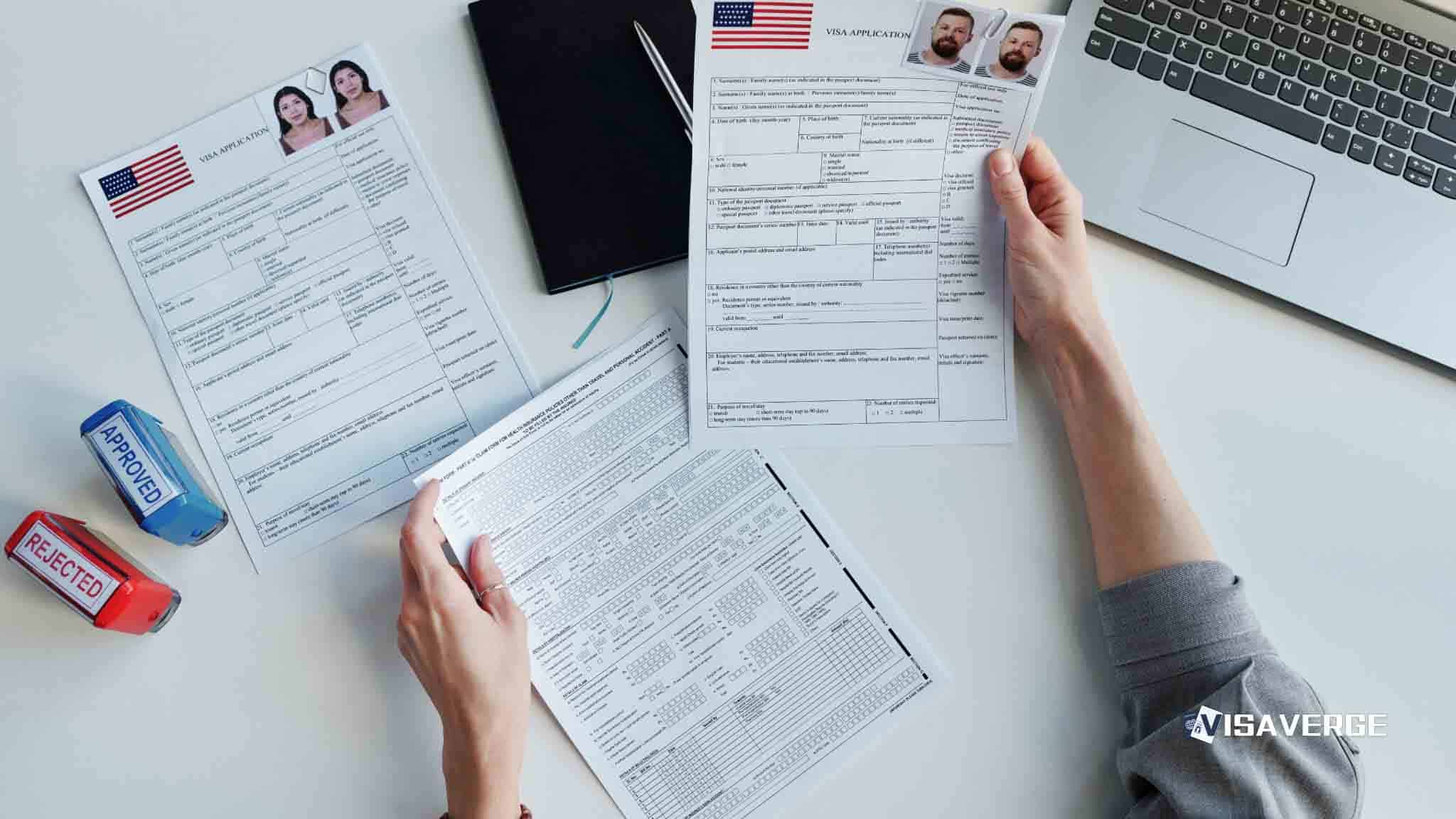
A Schengen visa is for short stays such as tourism, business, or transit. The core list of documents remains stable, and consulates still expect a well-organized file.
Prepare the following:
- Completed application form and signature
- Two photos matching Schengen specs (35x45mm, light background)
- A travel plan with round-trip flights and bookings
- Proof of accommodation (hotels or host invitation)
- Medical insurance with at least €30,000 coverage, valid across the Schengen Area for the full trip
- Proof of funds, usually bank statements, payslips, or sponsorship papers (consulates may look for roughly €50–€100/day, varying by post)
Fees and timing:
- Standard fee: €80 for adults
- Reductions/waivers: available in some cases (children, students, etc.)
For official application forms and instructions, consult the Schengen visa guidance on the European Union website and national consular pages for the specific consulate handling your application.
Step 3B (Minutes online, starting Q4 2026): if you’re visa-exempt, plan for ETIAS
ETIAS is not a visa. It is an online travel authorization required for visa-exempt short-stay visitors entering the Schengen Area, including Italy, starting in Q4 2026.
Key ETIAS points:
| Topic | Details |
|---|---|
| What you do | Complete an online form with personal, passport, travel, and security details |
| Time to complete | 5–10 minutes for the form; approvals usually arrive in minutes |
| Cost | €7 fee (some notices show €7–€20 range); minors under 18 and adults over 70 are fee-exempt |
| Validity | 3 years or until passport expiry (whichever first); multiple entries allowed |
| Who is exempt | Holders of Schengen visas or residence permits, certain EU family members with Directive 2004/38/EC cards, diplomats, refugees with valid documents |
Parents/guardians: file separate ETIAS submissions for minors — each traveler is screened individually.
For official ETIAS application details, see the European Commission’s ETIAS pages when live (ETIAS rollout information is maintained by EU institutions and national authorities).
Step 4 (Book early): appointments and processing times for Schengen visas
Appointment availability is often the real bottleneck for Schengen visas. Italy’s consulates and service partners can run out of slots during peak seasons.
Practical timeline (steps):
- Book your appointment early once you have your travel window.
- Submit your application and biometrics at the appointment; expect questions about ties to your home country.
- Wait for processing: averages 15 days, but can stretch to 30–60 days in busy periods.
A simple protective rule: apply at least 3 weeks early even for straightforward trips.
Step 5 (At the airport): EES biometrics change the border experience
The Entry/Exit System (EES) is a major Schengen upgrade that records entries and exits for non-EU travelers and enforces the 90/180-day rule. Biometric checks began at Rome Fiumicino and Milan Malpensa on October 12, 2025, and the system is scheduled for full implementation by April 2026.
What to expect at the border:
- On first entry after rollout, use kiosks or officer-guided stations to scan your passport and provide biometrics (facial scan and fingerprints).
- Biometric capture can take about 2 minutes, though lines may grow during transition periods.
- After enrollment, later crossings become more automated.
This also changes enforcement: once fully operating, overstays are easier to spot because the database automatically calculates time spent in the Schengen Area.
For official information on the Entry/Exit System, see the European Commission’s EES pages and national border authority notices.
Important: biometric enrollment and automated tracking mean your days in the Schengen Area will be counted electronically. Paper records and ad-hoc estimates will no longer be the primary enforcement tool.
Staying legal inside the Schengen 90/180 rule
The 90 days in any 180-day period rule is a rolling calculation that looks backward from each date of entry and totals all days spent anywhere in the Schengen Area — not just in Italy.
Penalties for overstays in Italy include:
- Fines from €5,000–€10,000
- Potential entry bans of 1–5 years
- Expulsion procedures that can disrupt work, family plans, and future travel
Local duties and declarations:
- Some non-EU short-stay visitors must complete a declaration of presence at a local police office within 8 days.
- Hosts may need to file hospitality declarations.
If your plan is longer than 90 days: Type D visas and the first week in Italy
For stays beyond 90 days you must obtain a National Type D visa before arrival (work, study, investor residence, elective residence, startup, family reunification).
Two-phase process:
- Before arrival: apply for the Type D visa at the relevant consulate. Typical processing: 2–3 months.
- After arrival: apply for a residence permit at the Questura within 8 days of entry.
Investor pathway specifics:
- The “Golden Visa” track mentions investments between €250K and €2M.
- The investment must be made within 3 months of entry.
- Investor visas surged 20% in 2025–2026, reflecting stronger interest in longer stays.
At the border, officers can still ask to see proof matching your reason for travel. Carry key documents in your hand luggage even if you expect a smooth entry, because spot checks happen.
Italy’s travel landscape undergoes a digital transformation in 2026 with the full implementation of ETIAS and the biometric Entry/Exit System. These tools automate the enforcement of the 90/180-day stay rule and require pre-travel authorization for previously exempt nationals. Travelers must ensure passport compliance, book visa appointments months in advance if required, and prepare for biometric enrollment at major airports like Rome and Milan.