- Israeli Minister Itamar Ben-Gvir canceled his U.S. trip following unexpected visa complications and processing delays.
- The minister chose to apply for a standard personal visa rather than utilizing a diplomatic passport for the family visit.
- U.S. officials required fingerprinting and an interview, processes potentially complicated by the minister’s prior criminal record.
(UNITED STATES) — Israeli National Security Minister Itamar Ben-Gvir canceled a planned trip to the United States after reported visa complications, including a request from the U.S. Embassy that he appear in person for fingerprinting and an interview.
Accounts of the episode described a last-minute disruption to what Ben-Gvir’s office presented as a personal visit rather than official state travel. The most detailed version said he went to the embassy, provided fingerprints, sat for an interview, and then decided not to fly because he feared the visa would not arrive in time for his departure.
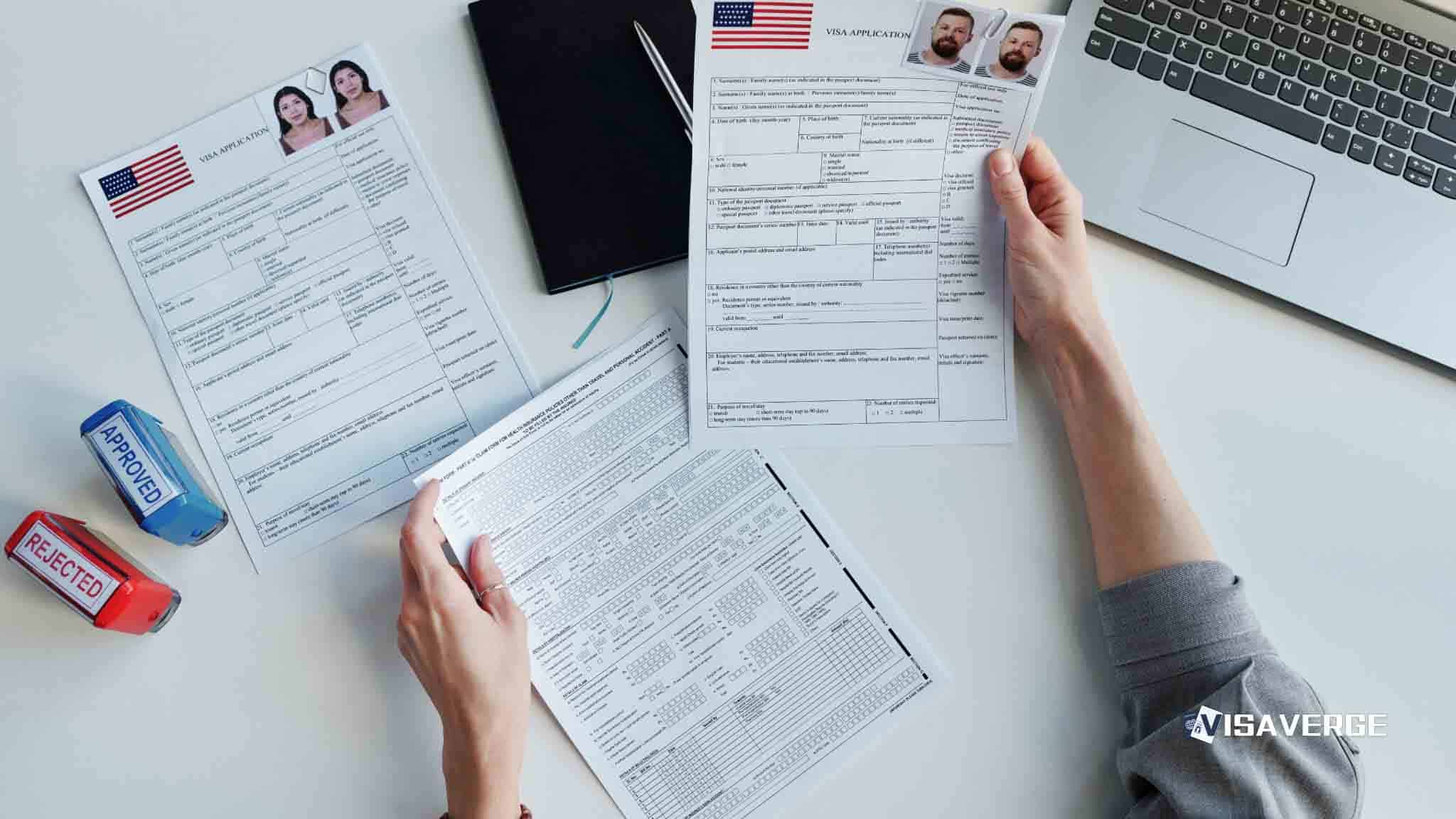
The visa issue drew attention because Ben-Gvir’s office said it chose to apply for a standard visa instead of using a diplomatic passport. Reports tied the processing problem both to that choice and to Ben-Gvir’s criminal record.
Ben-Gvir’s office said he gave up the option of a diplomatic passport because the visit was mostly personal. That decision appears to have shaped the handling of the application, with several accounts pointing to the visa category as a factor in the delay.
The trip itself was described as a family visit centered on a wedding in Miami. Ben-Gvir was expected to attend the wedding of the daughter of Israeli businessman Yaakov Elharar.
Elharar reportedly offered to pay for the trip. Israel’s State Comptroller Permits Committee, however, rejected that arrangement.
That left the planned visit caught between two descriptions that did not fully align. Ben-Gvir’s office cast it as a private trip, while another account said he had earlier described it as having “diplomatic importance” when asking a Jerusalem court to delay a hearing.
The contrast mattered because diplomatic travel and personal travel are processed differently, and Ben-Gvir’s office itself pointed to the personal nature of the visit in explaining why it did not seek a diplomatic travel document. Reports on the case repeatedly returned to that choice as the point where a routine political visit became an ordinary visa application.
Several versions of the story emphasized the practical steps the embassy required. Fingerprinting and an in-person interview featured prominently, with timing concerns emerging as the immediate reason the trip fell through.
Those details painted a narrow but telling picture of the problem. Ben-Gvir did not cancel because the visit’s purpose changed; he canceled after the application process appeared unlikely to finish before his scheduled flight.
The episode also placed unusual attention on the mechanics of travel for a senior Israeli minister whose movements are often viewed through both political and diplomatic lenses. In this case, the distinction between an official delegation and a family visit was not peripheral. It sat at the center of the visa application itself.
Ben-Gvir’s office maintained that the visit was mostly personal. That position fit the stated reason for skipping a diplomatic passport, but it also sat uneasily beside the earlier court filing in which he reportedly described the trip as having “diplomatic importance.”
That discrepancy fed the different narratives around the cancellation. Some accounts focused on visa-processing trouble, others on the fingerprinting and interview requirement, and others on whether the trip had been presented consistently from the start.
The reference to Ben-Gvir’s criminal record added another layer to those accounts. Reports linked that record to the difficulties surrounding the visa request, though the immediate obstacle described in the most detailed version remained the fear that the visa would not be issued in time.
The embassy’s role, as described in those accounts, centered on standard processing steps rather than any public political dispute. The reported request that Ben-Gvir appear personally for fingerprinting and an interview became the clearest sign that the application was not moving through a simplified diplomatic channel.
That distinction also helps explain why the issue attracted scrutiny inside Israel beyond the travel plans themselves. A cabinet minister traveling abroad on personal business raises separate questions about funding, official status, and court scheduling, all of which surfaced in the reporting on this visit.
Elharar’s reported offer to cover costs introduced one of those questions directly. The rejection by the State Comptroller Permits Committee meant the proposed funding arrangement did not survive official review, even before the visa issue ended the trip.
By the time Ben-Gvir dropped the travel plan, the trip had come to embody several overlapping disputes at once: how it was classified, how it would be paid for, and whether a senior minister should have sought ordinary visa processing for a visit that had at least once been described in official terms. Each account stressed a different part of that chain.
No public appearance in Miami followed. The trip that Ben-Gvir’s office described as a family visit ended at the embassy interview stage, with fingerprinting completed, the visa still pending, and the minister deciding not to risk missing his flight.