- The U.S. State Department revoked the diplomatic visa of Xaviera Jessurun, chief of staff to the OAS Secretary-General.
- The action follows allegations of corruption and fiscal irresponsibility during her previous tenure at Surinamese Airways.
- Secretary of State Marco Rubio authorized the cancellation, signaling increased pressure on the OAS leadership in 2026.
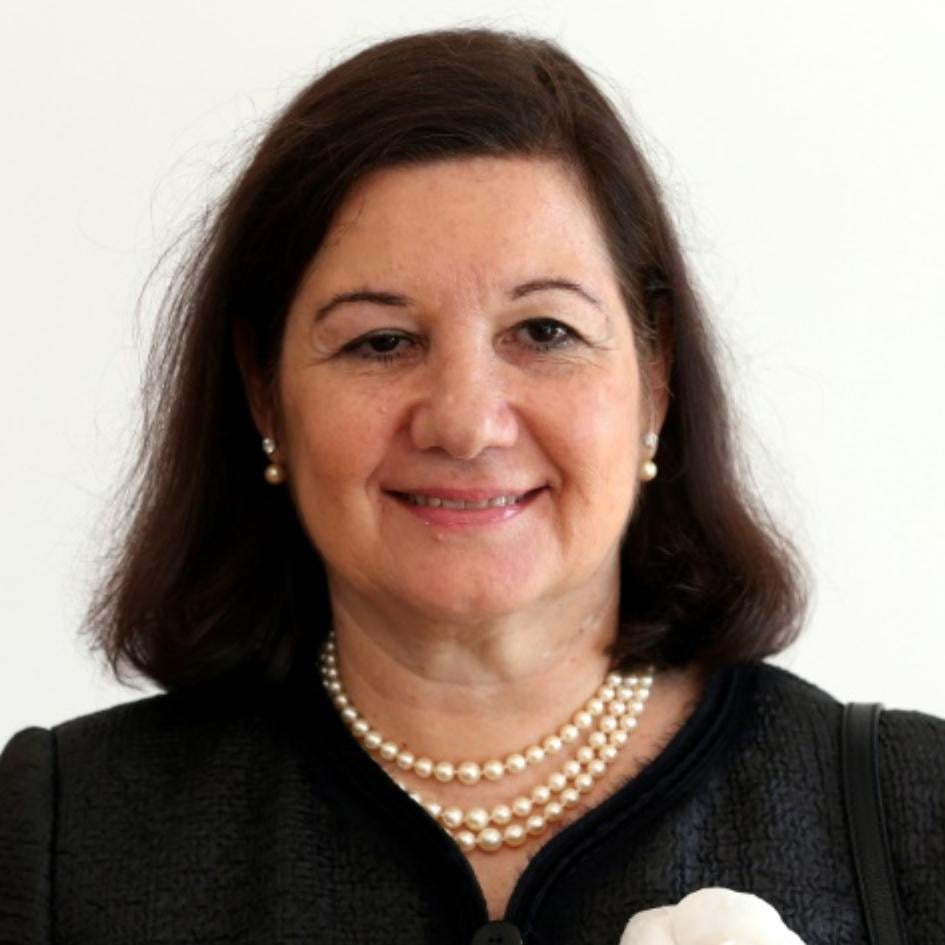
(WASHINGTON, D.C.) — The U.S. Department of State revoked the diplomatic visa of Xaviera Jessurun, chief of staff to Organization of American States Secretary-General Albert Ramdin, after an internal U.S. investigation and pressure from the Trump administration over corruption allegations and fiscal governance at the regional body.
The action stripped Jessurun of the legal status tied to her diplomatic post in Washington and forced her resignation from the OAS on June 10, 2026. A diplomatic communication sent on June 9, 2026 notified the OAS General Secretariat that the United States had revoked her legal residence and diplomatic privileges.

An administration spokesperson, asked about the timetable for Jessurun’s departure, said on June 11, 2026: “Cuanto antes” (As soon as possible). Reports indicate Secretary of State Marco Rubio personally authorized the cancellation after reviewing an internal memorandum that detailed allegations of “nepotism, fiscal irresponsibility, and disrespect toward member states” under the current OAS leadership.
Free toolDS-160 Form Filling Online Helper ToolJessurun had served in Washington as Ramdin’s chief of staff since he took office in March 2025. Ramdin, a Surinamese diplomat, won unanimous support from CARICOM for the post, but his tenure has drawn friction with U.S. officials over the organization’s political direction.
U.S. officials tied the visa cancellation to Jessurun’s alleged connection to a criminal investigation in Suriname involving corruption, fraud, and money laundering during her earlier tenure at state-run Surinamese Airways (SLM). The revocation aligned with Presidential Proclamation 10998, which took effect on January 1, 2026 and expanded federal authority to restrict the entry of foreign nationals deemed to pose risks to public trust or national interests.
The case carried weight beyond one diplomatic posting. The United States hosts the OAS in Washington, giving it direct control over visas and legal status for foreign officials serving at the 35-member organization. That authority can shape internal power at the institution as surely as votes in the chamber.
Trump administration officials had already raised concerns about the OAS before Jessurun’s visa was cancelled. An internal memorandum circulated in May 2026 reportedly called for an independent audit of the organization, reflecting broader U.S. concern about finances and management inside the hemispheric body.
The move marked the first time in OAS history that the host country cancelled the diplomatic visa of a sitting chief of staff while that person remained in office. It also sent a sharp signal to Caribbean officials working in Washington that legal scrutiny in their home countries could carry immediate consequences inside multilateral institutions.
Jessurun rejected the U.S. action in statements to Surinamese media, calling it “politically motivated”. She also said the decision ignored the legal principle of being “presumed innocent until proven otherwise.”
Suriname’s government responded cautiously. Foreign Minister Melvin Bouva said on June 16, 2026: “We are following the developments objectively and carefully. It is important that the facts are established before conclusions are drawn.”
Ramdin now faces a weakened position inside the Organization of American States, where Jessurun had served as one of his closest advisers. Reports suggest U.S. officials are laying the groundwork to increase pressure on him to comply with U.S. policy demands or resign.
That pressure comes at a sensitive moment for the administration’s broader visa posture. The federal government has relied on expanded screening and restriction powers across several immigration and travel channels this year, including policies described in the State Department’s [Suspension of Visa Issuance](https://travel.state.gov/content/travel/en/us-visas/visa-information-resources/suspensions-of-visa-issuance.html) guidance from February 2026 and the Department of Homeland Security’s [news updates](https://www.dhs.gov/news). USCIS also issued a [Court Order on Hold Policies](https://www.uscis.gov/newsroom/alerts/court-order-on-hold-policies) update on June 12, 2026, part of a wider enforcement and vetting environment touching visa and status decisions.
Jessurun’s case did not involve a public USCIS filing or a standard employment visa category such as H-1B. It centered on diplomatic status, which carries different legal protections and different vulnerabilities. Once the State Department revoked that status, her ability to remain in the United States ended with it.
Inside Washington’s diplomatic community, that distinction matters. Diplomats assigned to international organizations often depend on host-country recognition not only for entry, but also for day-to-day legal residence, work authorization tied to the posting, and continued access to official functions. Losing a diplomatic visa can collapse all of those at once.
The allegations cited by U.S. officials reached back to Jessurun’s earlier role at SLM, not to a public criminal charge announced in Washington. Still, the administration treated the Suriname investigation as enough to act under its expanded restrictions on foreign nationals whose presence, in the government’s view, raises public trust concerns.
CARICOM’s unanimous backing helped lift Ramdin into the OAS top job last year, and Jessurun’s appointment reflected that political coalition. By targeting a senior Surinamese aide at the secretary-general’s office, Washington inserted itself directly into a leadership circle that Caribbean governments had helped build.
The effect on OAS governance could outlast Jessurun’s departure. A secretary-general without his chief of staff loses control over scheduling, internal coordination and message discipline, especially during disputes with member states. In a body already under scrutiny for fiscal management, that loss can alter how quickly decisions move and who shapes them.
U.S. concern over internal OAS management also touched member-state relations. The memorandum reviewed by Rubio accused the current leadership of conduct that included “disrespect toward member states”, language that reaches beyond bookkeeping and into diplomacy itself. Such accusations can deepen existing divides between Washington and capitals that believe the OAS should keep more distance from U.S. priorities.
Jessurun’s removal also underscored how visa authority can function as a foreign policy tool. The administration did not need a public vote at the OAS or a negotiated internal censure. It acted through host-country control over immigration status, and the institution had to absorb the result immediately.
Bouva’s call for facts to be established before conclusions are drawn left Suriname room to defend due process without directly confronting Washington. Jessurun, meanwhile, has framed her exit as political, while Ramdin faces questions about whether he can hold the line against U.S. demands after losing the adviser who stood closest to him in Washington.
The cancellation of Xaviera Jessurun’s visa left the Organization of American States confronting an internal leadership rupture and a blunt reminder of where power sits in its host city.