- Saudi Arabia now requires a work permit for Premium Residency holders to legally work in the private sector.
- The mandate took effect June 12, 2026, involving a registration process through the Qiwa digital platform.
- U.S. immigration policy shifted to prioritize consular processing abroad for Green Card applicants over domestic adjustment.
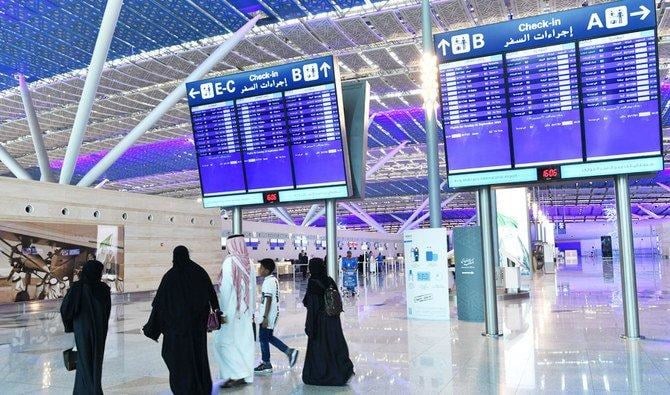
(SAUDI ARABIA) — Saudi Arabia required holders of Premium Residency to obtain a dedicated work permit through the Qiwa platform to work legally in the private sector, adding a new compliance step for a status widely known as the Saudi Green Card.
The requirement took effect on June 12, 2026, under guidance issued by the Ministry of Human Resources and Social Development and Qiwa. Employers must register Premium Residency workers digitally and pay a SAR 100 fee for the permit.

That permit now sits at the center of routine labor administration. Saudi authorities made it a prerequisite for documenting employment contracts and for access to certain government labor services, tying a residency benefit more closely to the kingdom’s labor compliance system.
Free toolCSPA Age-Out Calculator OnlineThe change applies to both Permanent and Renewable Premium Residency holders. In practice, it means the right to live in Saudi Arabia under Premium Residency no longer settles private-sector work formalities on its own.
Qiwa, the labor market platform used for employment procedures, is the required channel for the new permit. Saudi employers, not workers acting alone, must process the registration there, which places the immediate compliance burden on companies hiring Premium Residency holders.
Before this shift, Premium Residency holders had broad exemptions from many expatriate-related fees. Saudi authorities framed the dedicated work permit as part of a unified labor market monitoring system and as a step tied to updated Saudi labor laws.
The move lands as search interest around “Green Card” policy has also surged in the United States, where federal immigration authorities have issued their own June 2026 changes. The overlap in terminology has blurred two very different systems: Saudi Premium Residency governed by Saudi labor authorities, and U.S. lawful permanent residence governed by the Department of Homeland Security and U.S. Citizenship and Immigration Services.
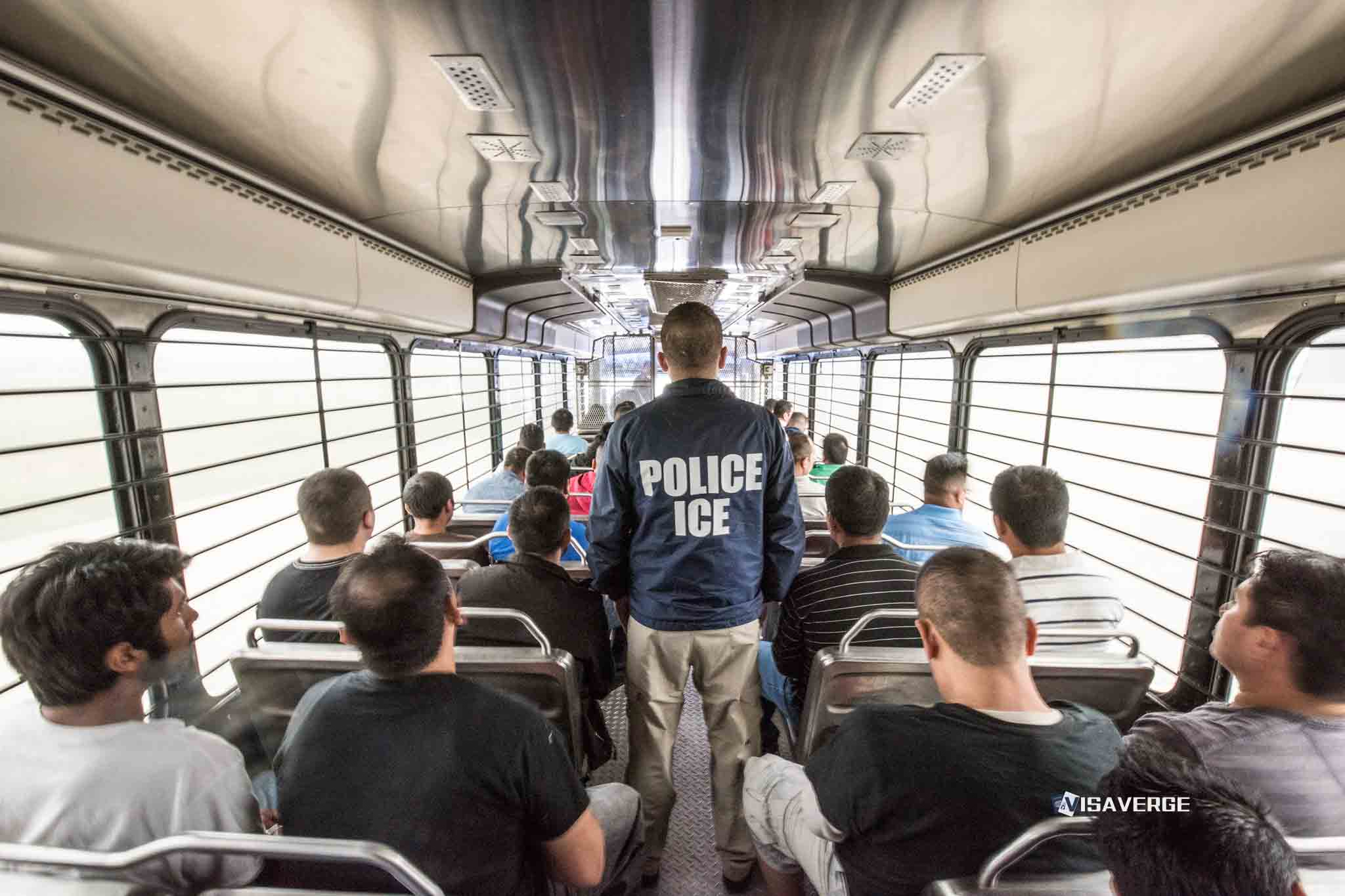
USCIS issued a policy memorandum on May 21, 2026, later publicized in June, that shifts the default path for obtaining a U.S. Green Card back toward consular processing abroad. The agency described adjustment of status inside the United States as an extraordinary form of relief rather than the normal route.
Zach Kahler, a USCIS spokesman, said: “We’re returning to the original intent of the law to ensure aliens navigate our nation’s immigration system properly. From now on, an alien who is in the U.S. temporarily and wants a Green Card must return to their home country to apply, except in extraordinary circumstances.”
USCIS also characterized lawful permanent residence for people already in the United States as “an extraordinary discretionary relief” and an “act of administrative grace.” That marks a sharp contrast with the Saudi rule change, which adds a work permit requirement but does not recast the underlying residency category itself.
A second U.S. policy shift followed on June 5, 2026, when DHS published a proposed rule titled “Clarification of Discretionary Employment Authorization for Certain Aliens.” The proposal seeks to narrow work permit eligibility for some people on parole or deferred action by requiring a showing of “economic necessity” and limiting the categories eligible for discretionary employment authorization documents.
Placed side by side, the two systems changed in different ways in June. Saudi authorities, acting through MHRSD and Qiwa, now require a SAR 100 permit for Premium Residency holders who want private-sector jobs, while U.S. authorities, acting through DHS and USCIS, moved to restrict adjustment of status so that consular processing abroad becomes the default route for many Green Card applicants.
The work rights attached to each status also differ. A U.S. Green Card grants automatic authorization to work in the United States, while Saudi Premium Residency holders can work in the private sector only after the employer completes the new registration step on Qiwa.
That distinction matters in day-to-day administration. In Saudi Arabia, the immediate issue is labor status, contract documentation and access to government labor services; in the United States, the immediate issue is where an applicant must complete the permanent residence process and whether that person can remain inside the country while seeking it.
Employers in Saudi Arabia now need to check whether every Premium Residency employee has been entered into Qiwa under the dedicated permit category. A missed filing can disrupt contract validity because authorities tied contract documentation to the permit.
Premium Residency holders also face a narrower practical question than the phrase Saudi Green Card might suggest. The new rule does not replace the residency program, but it does require a separate labor-market authorization step that sits between residency status and lawful private-sector employment.
In the United States, temporary visa holders seeking permanent residence may confront a more disruptive path. The USCIS memorandum points many applicants toward interviews and processing in their home countries rather than adjustment inside the United States, except in the extraordinary cases the agency described.
DHS’s proposed work authorization rule adds another layer for some noncitizens who are not permanent residents. By targeting discretionary employment authorization for certain parolees and others on deferred action, the proposal separates temporary permission to work from the broader question of who can obtain permanent status.
Saudi officials directed applicants and employers to Qiwa for the new permit process, while broader labor guidance sits with the Ministry of Human Resources and Social Development. In the United States, immigration policy updates tied to Green Cards and employment authorization appear through the USCIS newsroom and DHS announcements.
Residents and employers now face a June 2026 compliance split that turns on jurisdiction, not branding. In Saudi Arabia, Premium Residency holders need employer action on Qiwa to preserve regular labor documentation; in the United States, many Green Card applicants now face a system that expects them to leave and apply from abroad, while DHS weighs narrower access to discretionary work permits for some noncitizens already there.