- Alabama and DOJ signed a data-sharing agreement on July thirty, twenty twenty-six, to combat business registration fraud.
- A regional task force identified three hundred fifty million dollars in intended losses across seventeen federal cases.
- The National Fraud Enforcement Division will access state business records to detect shell companies and tax schemes.
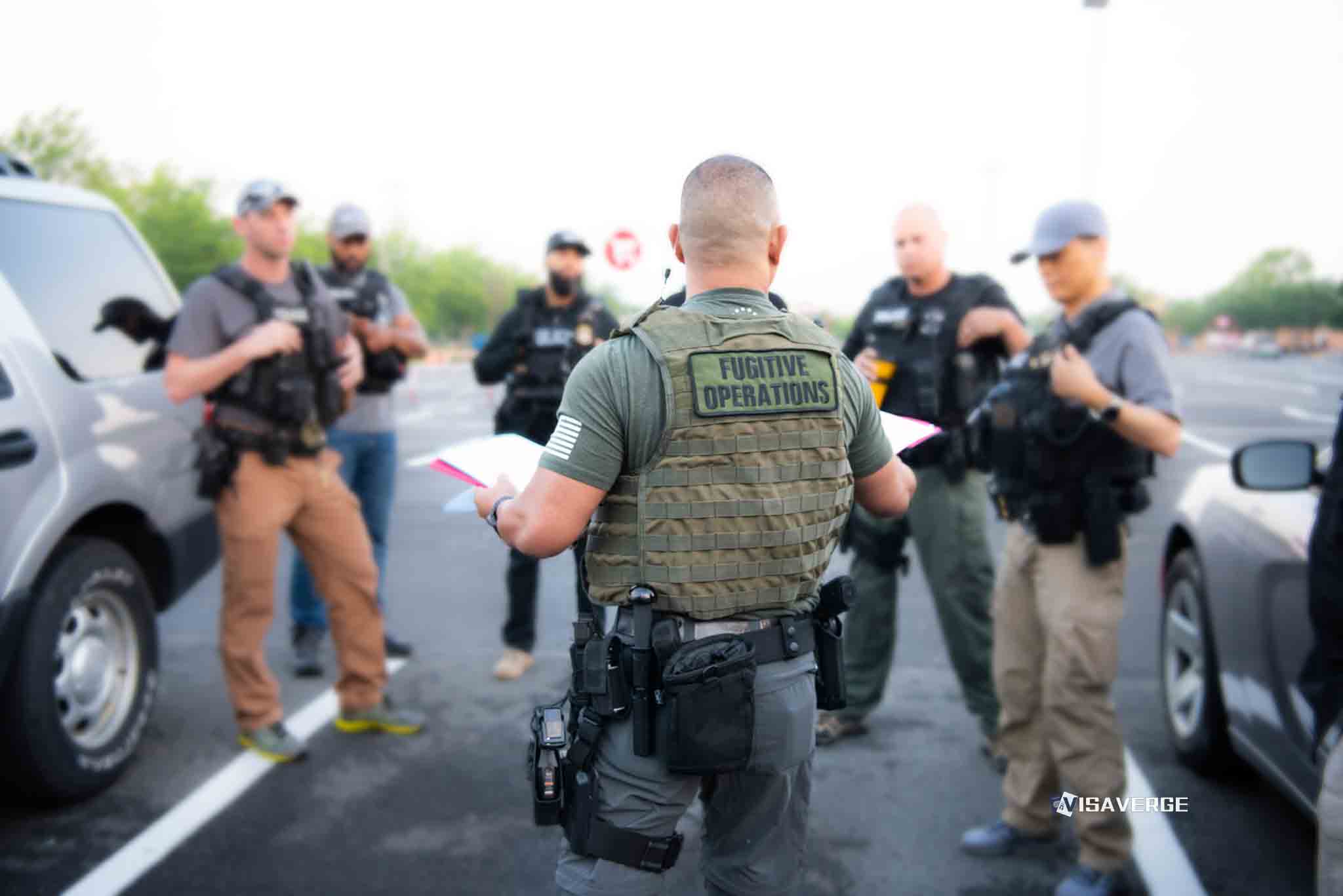
Alabama Secretary of State Wes Allen announced a data-sharing agreement with the DOJ on July 30, 2026, as federal prosecutors detailed a regional fraud campaign involving more than $350 million in intended losses. The agreement gives the department access to state business records to help identify filing fraud and shell companies.
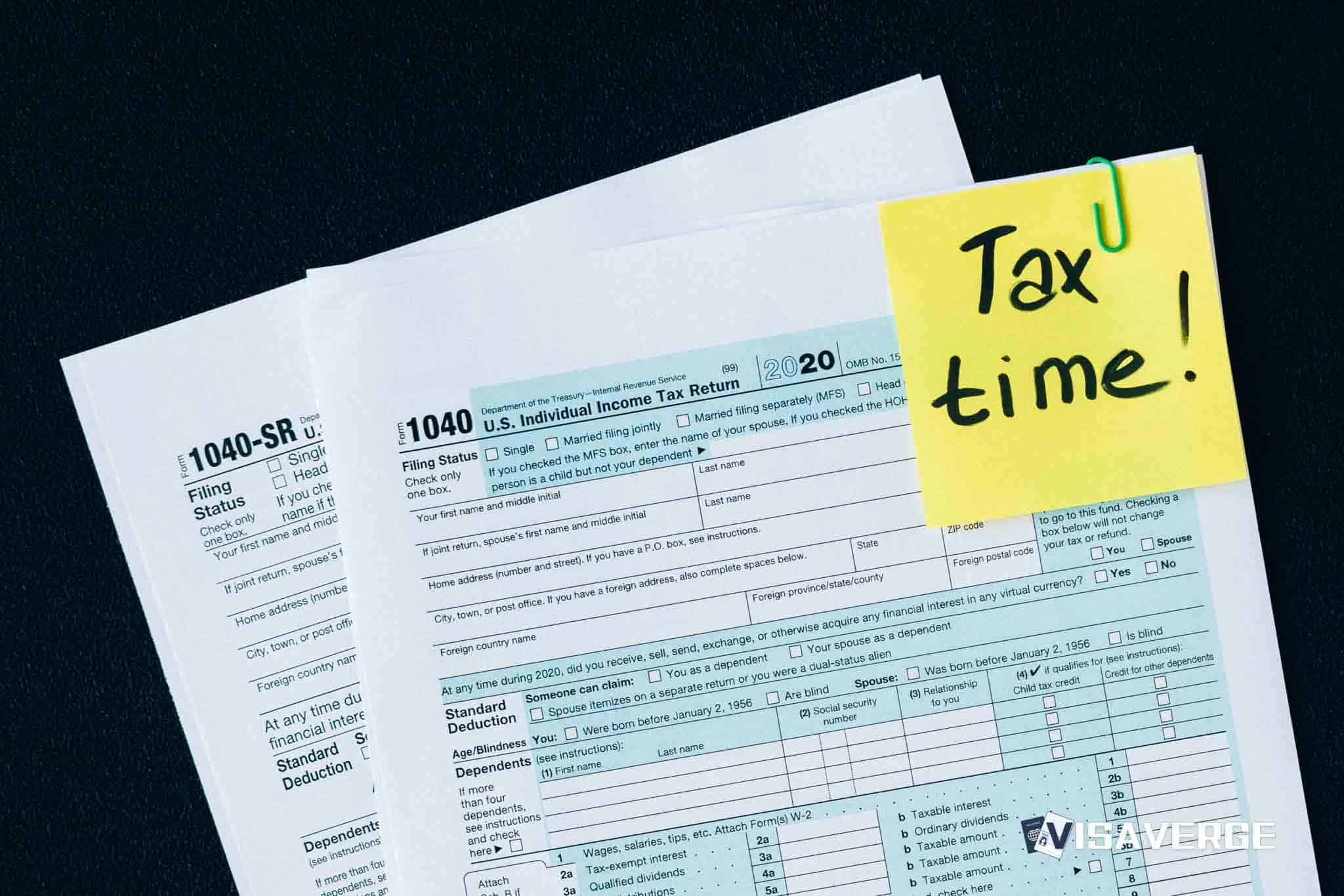
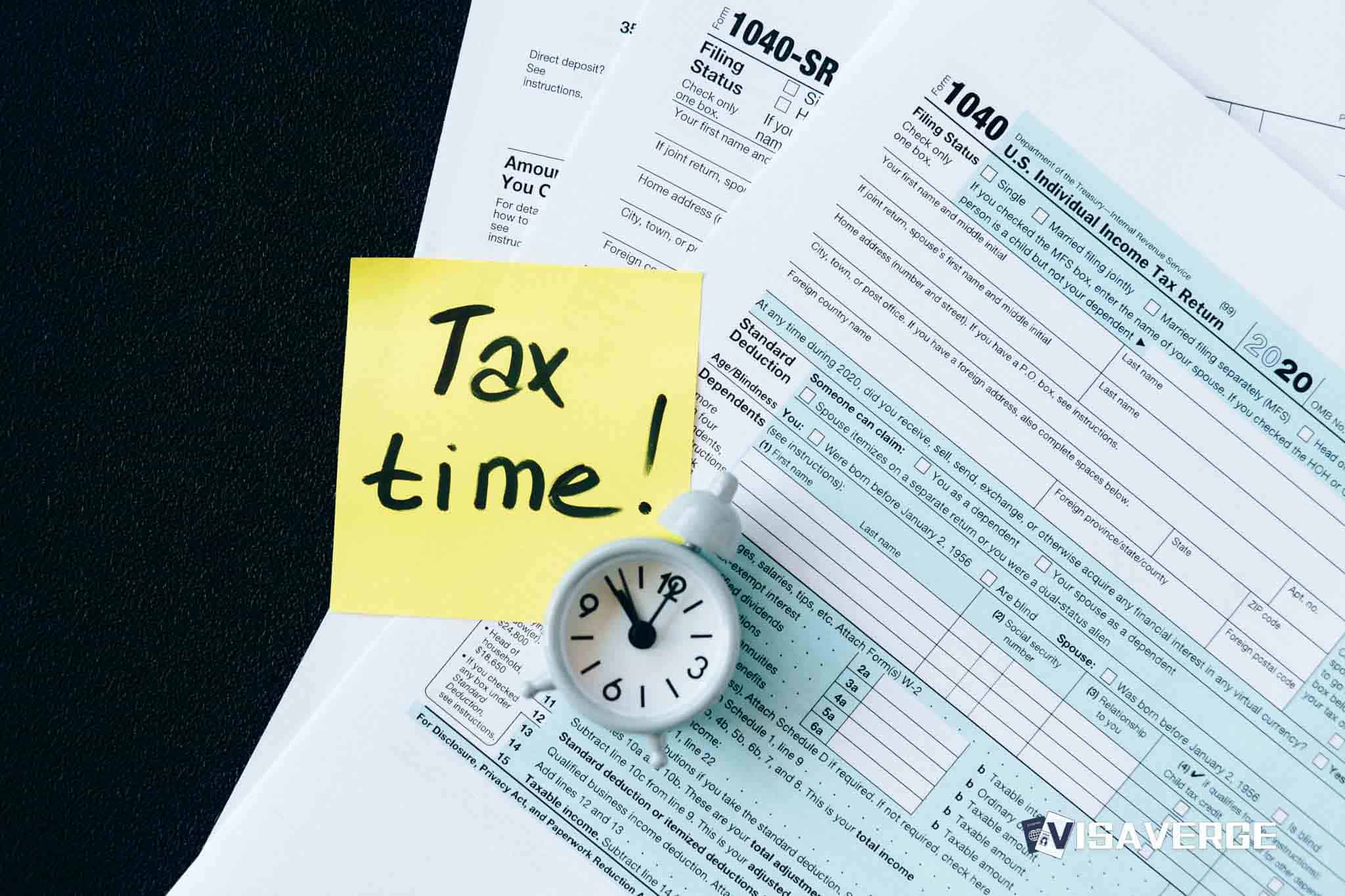
Federal prosecutors highlighted the case against Michael Shine, owner of Shine’s Professional Services in Center Point and Birmingham. They allege that he filed or caused to be filed thousands of returns claiming false residential energy tax credits.
Free toolCSPA Age-Out Calculator Online
The returns covered tax years from 2022 through 2026. Investigators said 8,383 returns claimed about $70 million in refunds, while the IRS paid approximately $65 million.
The case remains an allegation. Prosecutors identified it as one of 17 cases announced across seven southeastern states.
The wider enforcement effort covers Alabama, Florida, Georgia, Louisiana, Mississippi, North Carolina and South Carolina. Federal prosecutors said the cases involve tax fraud, Small Business Administration loans, Supplemental Nutrition Assistance Program benefits and housing programs.
State records will feed a federal fraud database
The agreement takes the form of a Memorandum of Understanding between the Secretary of State’s office and the National Fraud Enforcement Division. Under the arrangement, the division receives free, frequent access to business-registration records and Uniform Commercial Code records.
Those records can help investigators examine business identities, ownership information and filing patterns. The stated goal is to detect business filing fraud, including attempts to impersonate or hijack legitimate companies to obtain loans or credit.
Allen said the arrangement would help protect businesses and consumers from fraud. The agreement was signed at the National Advocacy Center on July 30.
Colin M. McDonald, an assistant attorney general in the National Fraud Enforcement Division, said federal and state agencies must work together against fraud.
“Defeating the fraud epidemic in our country requires all-hands-on-deck from our federal and state partners nationwide. When federal prosecutors work alongside state agencies to root out fraud, fraudsters lose, and the American people win.”
McDonald said each dollar stolen through tax or benefit fraud can keep food from a needy family. He described the cases as more than victimless financial crimes.
The energy-credit case centers on Form 5695
Prosecutors say Shine’s alleged scheme relied on residential energy credits reported on Form 5695. Investigators said the claims lacked a valid basis, but the returns still generated refund requests.
One account described more than 8,000 returns. The more specific figure was 8,383 filings, with roughly $70 million claimed and about $65 million paid by the IRS.
Phillip Williams, U.S. Attorney for the Northern District of Alabama, cited the case as an example of schemes that target the tax system and the financial security of citizens. MaryLou Bowdre, an assistant U.S. attorney for the Middle District of Alabama, also participated in the regional announcement.
The figures span tax years 2022 through 2026. They do not establish that every taxpayer who received a refund knew about the alleged scheme.
Seventeen cases span seven states
The Southeast Regional Fraud Enforcement Partnership announced the cases at a conference in Columbia, South Carolina. The initiative has identified more than $350 million in intended losses across the 17 prosecutions.
Other cases tied to the regional effort include alleged fraud involving the Prichard Water and Sewer Works and counterfeit postage stamps. Prosecutors also described cases involving federal benefits and government-backed lending.
The regional partnership includes South Carolina Attorney General Alan Wilson and Mississippi Attorney General Lynn Fitch. Robert Frazer, U.S. Attorney for the District of New Jersey, was listed as a co-announcer.
The department’s National Fraud Enforcement Division was established on April 7, 2026. It serves as the enforcement arm of President Trump’s Task Force to Eliminate Fraud, chaired by Vice President J.D. Vance.
That task force targets waste, fraud and abuse in federal benefit programs and the tax system. Since July 4, 2026, federal prosecutors have charged 12 defendants in cases involving taxpayer-funded programs.
Officials also cited a Medicaid settlement
Attorney General Steve Marshall announced a $300,000 settlement with Alfonza Smith on June 18, 2026. Smith, the owner of Teen University, allegedly received Medicaid funds without providing required Basic Living Skills services.
Rachel Riddle, the state’s chief examiner, was among the officials identified in the partnership’s rollout. The settlement was separate from the energy-credit case but formed part of the broader enforcement message around public-program abuse.
The cases reach beyond tax returns. They include alleged misuse of benefit programs, business registrations, government loans and public infrastructure funds.
McDonald said the regional effort depends on state agencies sharing information with federal prosecutors. The new records arrangement provides that access on an ongoing basis rather than through a single investigation.
The partnership follows other federal fraud actions
The National Fraud Enforcement Division launched its state-federal work after the Southeast Regional Fraud Enforcement Partnership conference. A related Trade Fraud Task Force involving the Justice and Homeland Security departments said on July 14, 2026, that it had surpassed $1 billion in recoveries in less than one year.
The Justice Department also held its annual healthcare fraud takedown on June 23, 2026. That action included healthcare charges and settlements involving regional executives accused of illegal kickbacks.
The state’s agreement focuses on business registration and UCC data. Prosecutors’ cases show how those records may be used alongside tax, benefit and refund investigations.
The tax-fraud allegations against Shine remain part of the federal prosecution announced in the regional initiative. The state-federal agreement will continue under the records-sharing framework signed July 30, 2026.
This article is for informational purposes only and does not constitute tax advice. Consult a qualified tax professional or CPA about your specific situation.