- Europe’s Entry/Exit System became fully operational on April 10, 2026, replacing manual passport stamps with biometric checks.
- The United States is advancing Biometrics 2.0 and expanded ESTA vetting, including social media reviews and voice analysis.
- Global travel in 2026 shifts toward digital pre-authorization and automated facial recognition at all major border crossings.
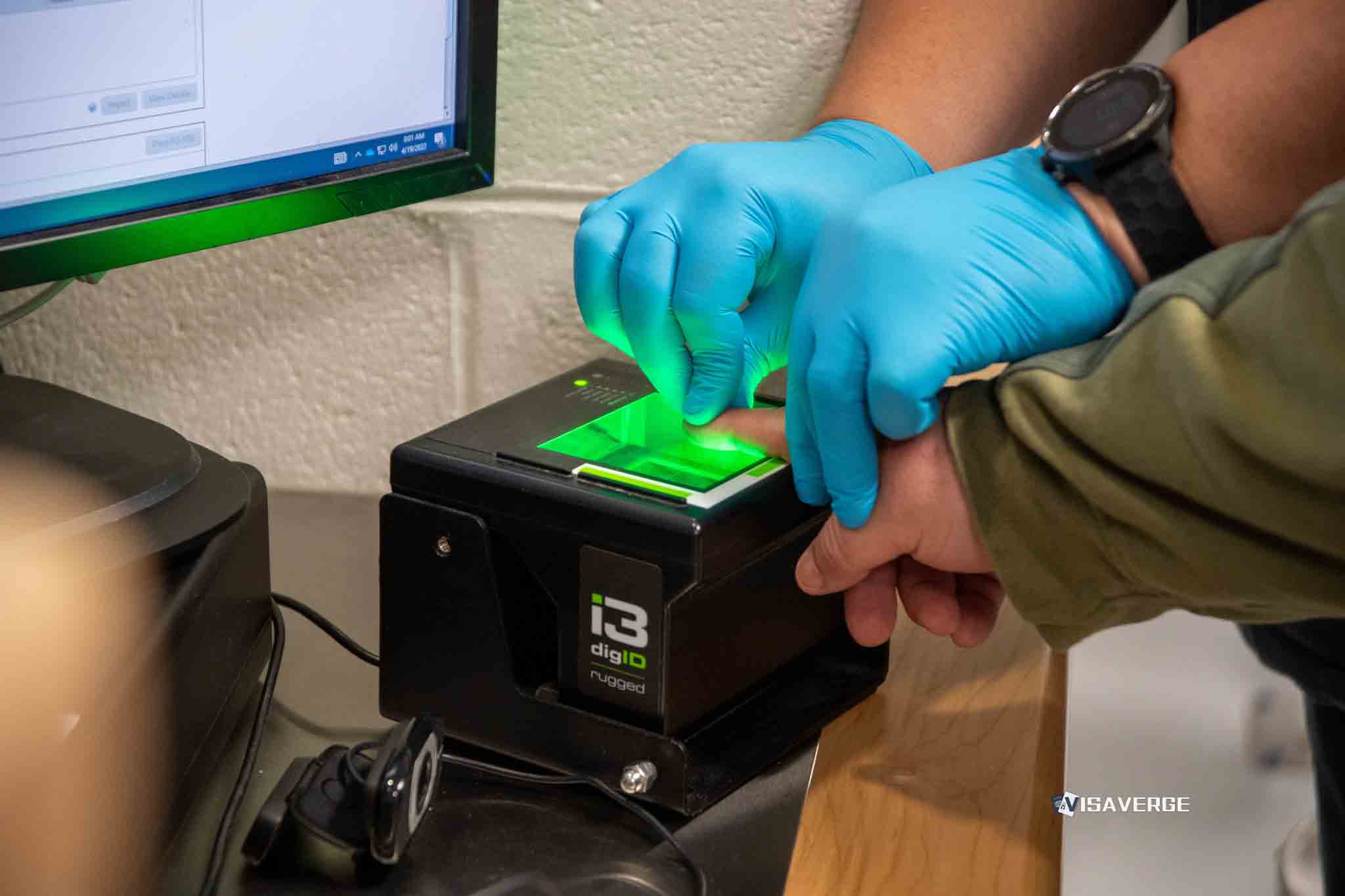
(SCHENGEN AREA) — The European Union made its Entry/Exit System fully operational on April 10, 2026, requiring non-EU citizens entering the Schengen Area to provide fingerprints and facial images instead of receiving manual passport stamps.
The change places biometric checks at the center of border control for millions of travelers and marks one of the clearest shifts this year toward digitized travel screening. Officials also expect initial longer waits at automated kiosks as traveler data is registered under the new system.
Free toolSchengen Short-Stay Visa Calculator
Across the same 2026 cycle, governments have expanded facial recognition, voice analysis and digital pre-authorization requirements. The broad direction is clear: paper-based checks are giving way to electronic tracking, online approvals and biometric identity verification at airports and border posts.
Within Schengen, the Entry/Exit System records entries and exits electronically. It replaces the long-familiar practice of stamping passports by hand and ties each crossing to biometric verification, a move the EU links to security and efficiency.
Related changes extend beyond the border booth. The European Travel Information and Authorisation System requires online pre-approvals for visa-exempt travelers, adding another digital step before departure and linking the Schengen model more closely to screening systems already used in other parts of the world.
Schengen visa applications are also moving further into biometric and online processing. Applications now place greater emphasis on biometric checks and digital platforms, while airports worldwide are deploying more automated gates with facial recognition.
That places Europe inside a wider pattern rather than apart from it. Asia, Oceania, the Middle East and the Americas are all tightening digital travel requirements, and the common thread is the same: more data collected before departure, more identity checks at arrival, and less reliance on manual inspection.
In the United States, USCIS is advancing Biometrics 2.0 beginning in 2026, expanding the use of facial recognition, voice patterns and reused fingerprints in applications, renewals and entry processes. The agency’s shift aims to reduce some in-person biometric appointments, though the plan also ties the plan to privacy concerns.
CBP has proposed parallel changes for Visa Waiver Program travelers using ESTA. Those proposed 2026 expansions would add social media usernames and past phone numbers from the prior five years, a screening step the government presents as part of its anti-fraud effort.
Washington’s broader immigration posture in early 2026 has moved in the same direction. Under President Trump, officials introduced stricter vetting through social media reviews and expanded biometric screening at ports of entry, producing delays and secondary inspections as those measures took effect over the past four months.
Another Trump administration measure raised the cost of certain employment-based filings. Presidential Proclamation 10973 imposed a $100,000 fee on new H-1B petitions for workers abroad, adding a steep charge to a system that employers already described as heavily documented and time-sensitive.
The State Department added another layer in January 2026 when it announced a pause on immigrant visas for nationals of 75 countries. Paired with expanded biometric screening and social media vetting, that decision has pushed travel, entry and visa processing further into a security-first framework.
The combination of these measures has changed the practical experience of travel in different ways depending on destination and visa type. In Schengen, the immediate visible shift is biometric enrollment at the frontier. In the United States, the changes run from application forms to port-of-entry inspection, where screening now reaches deeper into identity data and digital history.
Airports are becoming the most visible testing ground for the new model. Automated gates with facial recognition are spreading worldwide, and the expectation behind them is speed once travelers are enrolled, even if the first months of a rollout bring slower lines as databases are populated and systems are tested under heavy traffic.
That tension between efficiency and friction runs through nearly every 2026 change described here. EES promises electronic tracking and an end to manual stamps, yet the same rollout may lengthen waits at automated kiosks at first. USCIS says Biometrics 2.0 will reuse fingerprints and reduce some appointments, while privacy concerns remain part of the policy discussion. ESTA proposals promise enhanced screening, but they also ask travelers for more personal data.
Schengen’s digital architecture now rests on two linked pillars. The Entry/Exit System governs what happens when a non-EU traveler reaches the border, recording entry and departure electronically with fingerprints and facial scans. The European Travel Information and Authorisation System sits earlier in the process, requiring visa-exempt travelers to secure approval online before travel begins.
Together, those systems bring the Schengen Area closer to a fully digitized border regime. A traveler who once moved through a manual stamp process now faces an electronic trail from pre-trip authorization to arrival screening to recorded exit, with biometric identity serving as the connective element.
Outside Europe and the United States, the same movement appears across multiple regions. Governments are tightening digital requirements, online platforms are taking a larger role in visa processing, and biometric checks are becoming harder to avoid even where formal visa rules differ from one jurisdiction to another.
Some of those changes affect travelers before they ever reach an airport. Many countries now allow online visa applications, though some still require biometric appointments, which means the front end of trip planning increasingly includes account creation, document uploads and scheduling for fingerprint or facial-image capture.
The system snapshot for 2026 shows how quickly the changes are stacking up. In EU Schengen, EES requires fingerprints and facial scans for non-EU citizens and has been fully operational since April 10, 2026. USCIS Biometrics 2.0 introduces facial and voice recognition along with fingerprint reuse beginning in 2026. US ESTA and CBP proposals would collect social media information and past phone numbers. Proclamation 10973 set a $100,000 H-1B fee in early 2026. Schengen visa processing now leans more heavily on biometric checks at the application stage.
Each item carries a different burden. Border enrollment can slow arrival. Digital pre-authorization can block boarding if completed late. Expanded data requests can increase scrutiny for visa-waiver travelers. New petition fees can reshape employer decisions before a worker ever applies.
Travelers heading abroad in 2026 now need to build more time into every stage of a trip. Passport validity should be checked early, with 6+ months recommended, and ETAs or ETIAS approvals should be completed before departure where required.
Extra time at airports matters as well, especially where first-time biometric enrollment is involved. The shift to automated kiosks and facial recognition can shorten processing once systems are familiar, but the opening phase of large-scale rollouts often moves more slowly as fingerprints, facial images and other identity details are captured for the first time.
Rules are also changing fast enough that routine assumptions no longer hold. A traveler who entered Europe last year with only a passport stamp now encounters the Entry/Exit System. A visa-waiver traveler bound for the United States may face proposed ESTA questions that did not exist before. An employer preparing an overseas H-1B filing now confronts a $100,000 fee that did not define the process in the same way before early 2026.
What emerges from the year’s policy shifts is a travel system built around advance permission, automated identification and more extensive data collection. Manual stamps are disappearing. Facial scans, fingerprints, voice patterns and digital applications are taking their place, from Schengen’s new border regime to the United States’ Biometrics 2.0 push and the broader spread of facial-recognition gates worldwide.
By mid-April, the clearest symbol of that change stood at Europe’s external border: non-EU travelers entering the Schengen Area now stop for fingerprints and a facial image, and the Entry/Exit System records the crossing electronically from the first day under its full rollout on April 10, 2026.