Key Takeaways
• Air India crash on June 12, 2025 killed 241 people, exposing safety risks near airports in India.
• Draft Aircraft (Demolition of Obstructions) Rules, 2025 empower DGCA to enforce height limits for buildings and trees.
• Property owners must comply with demolition orders or face enforced removal; appeal possible with Rs 1,000 fee.
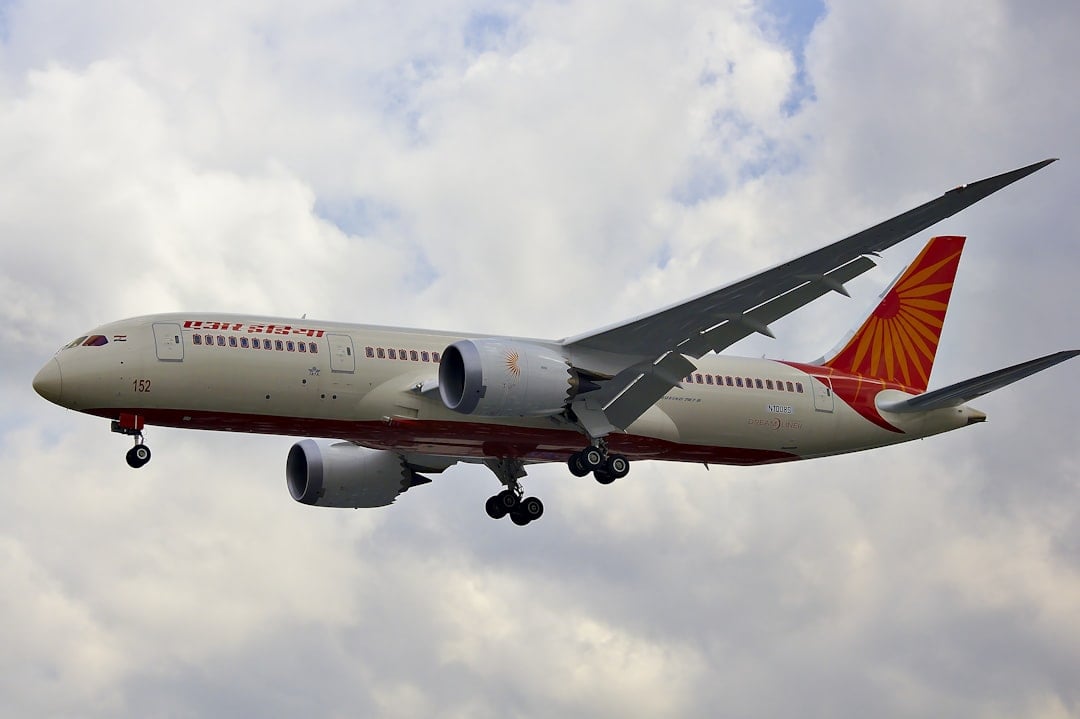
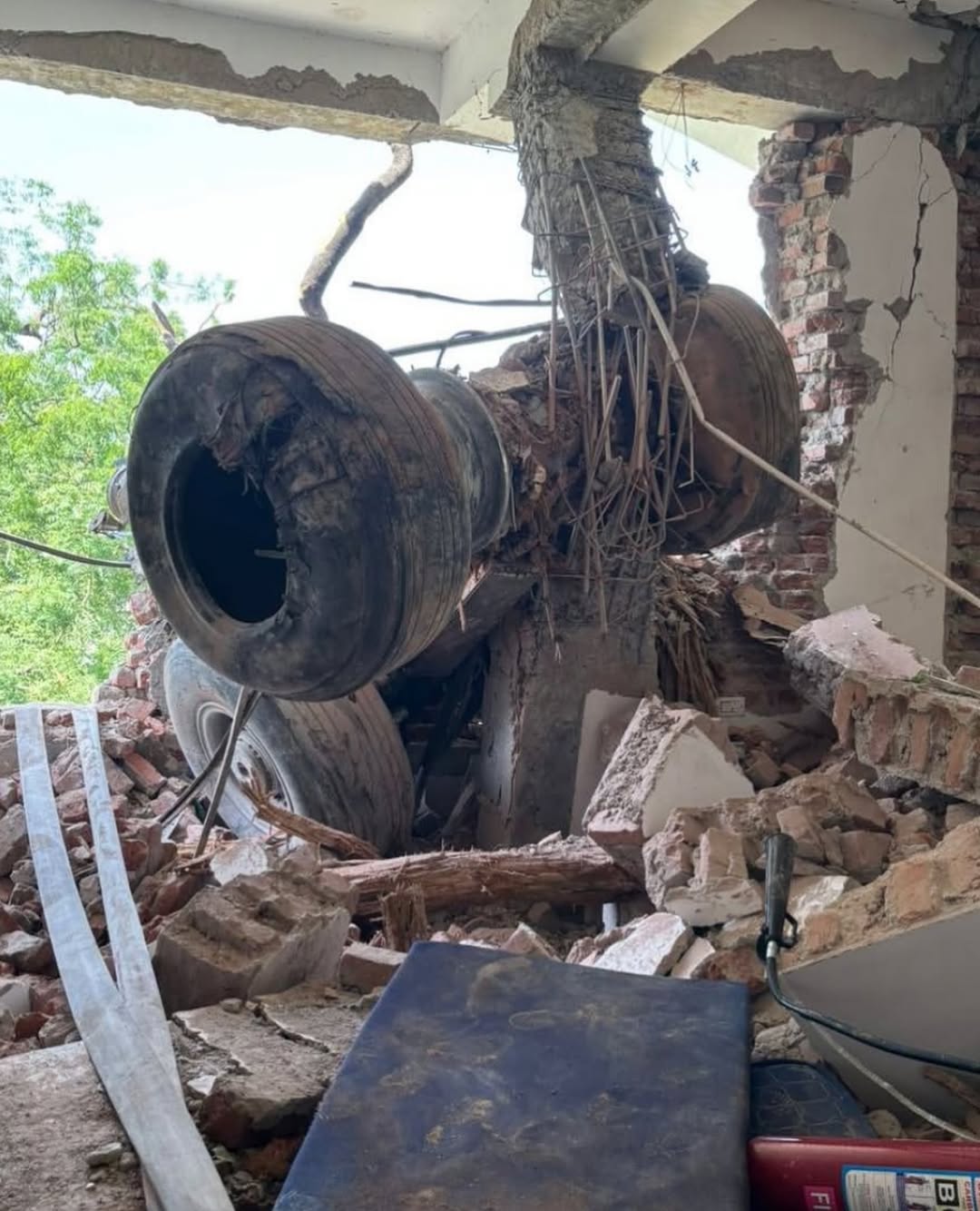
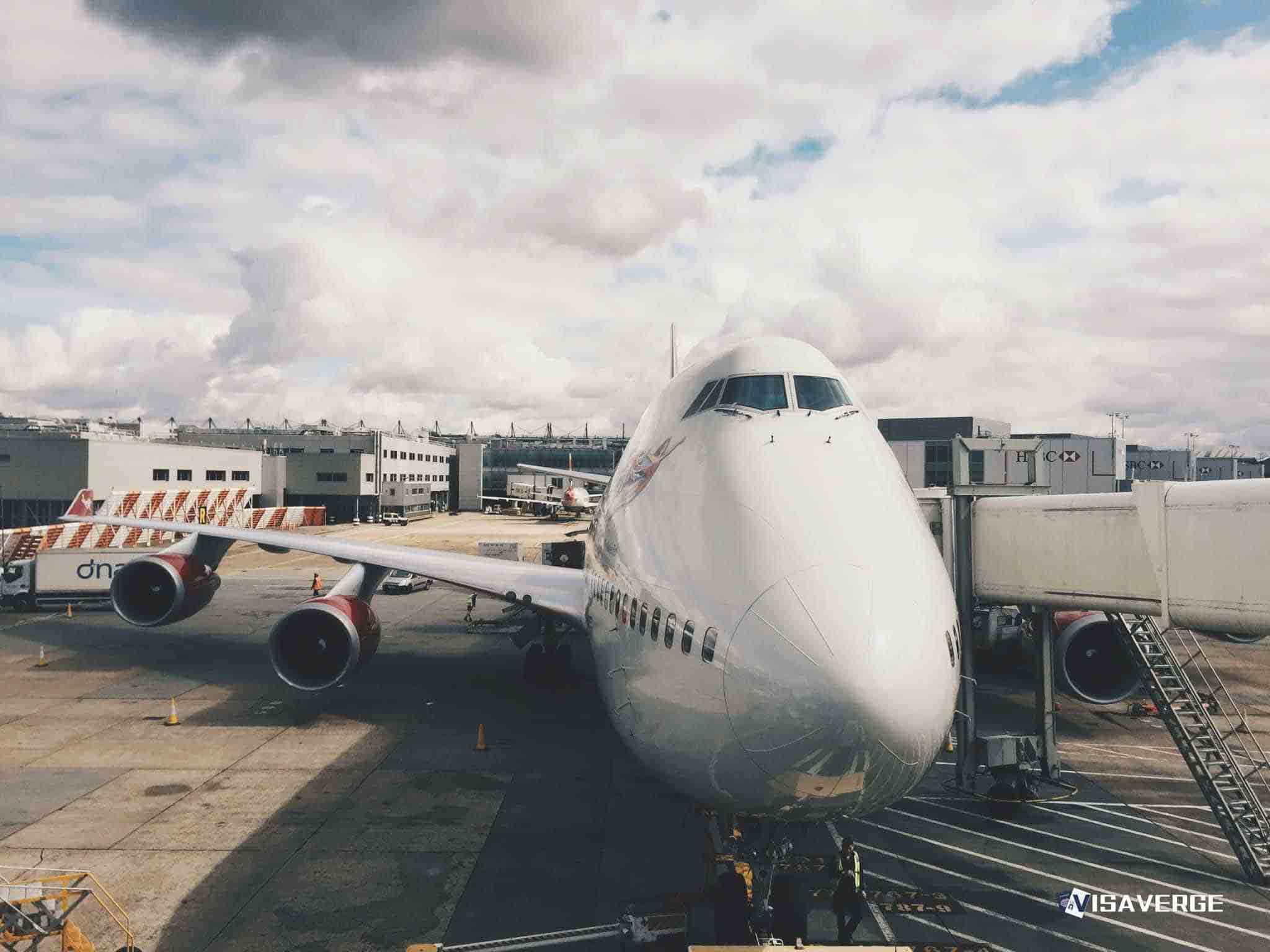
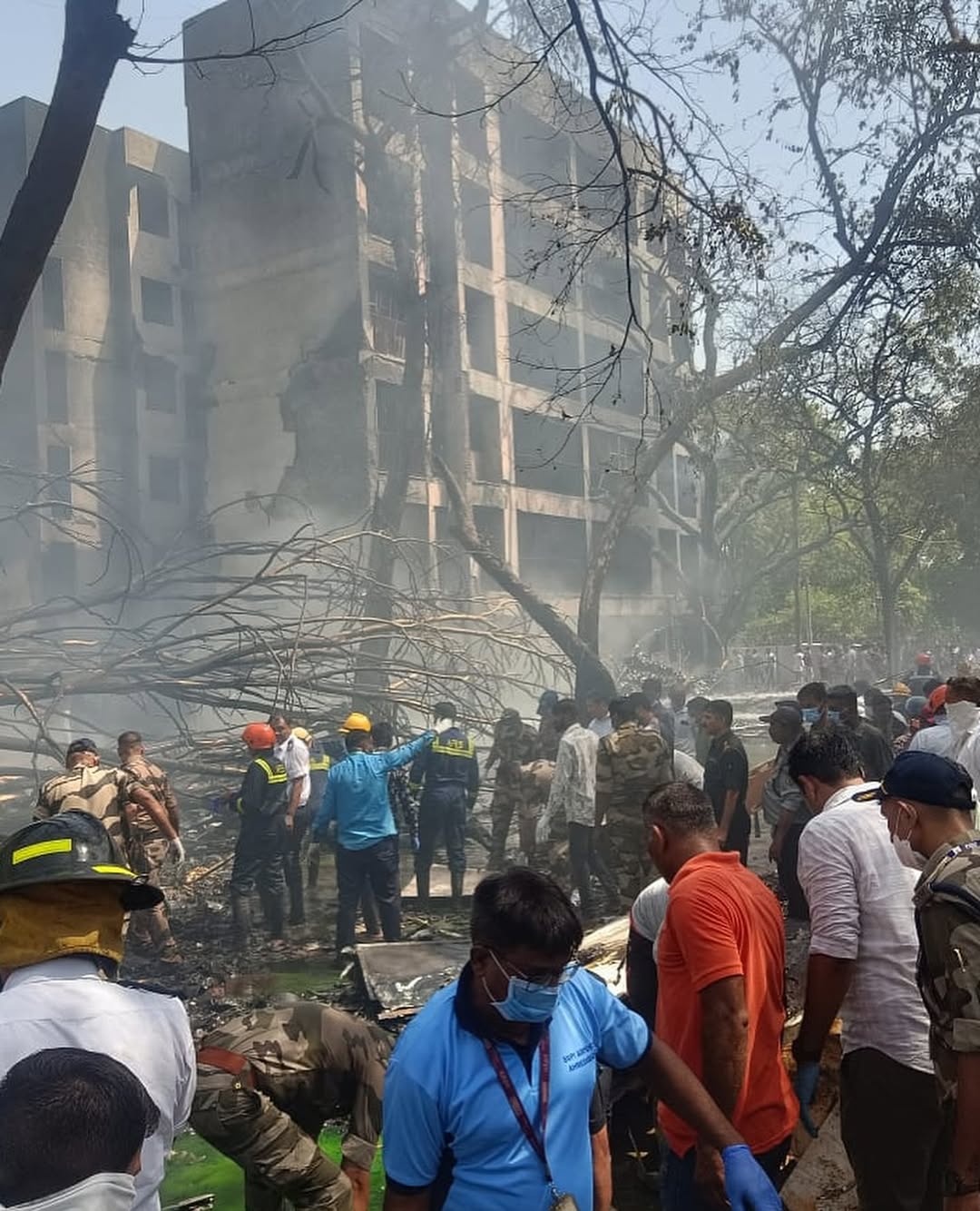
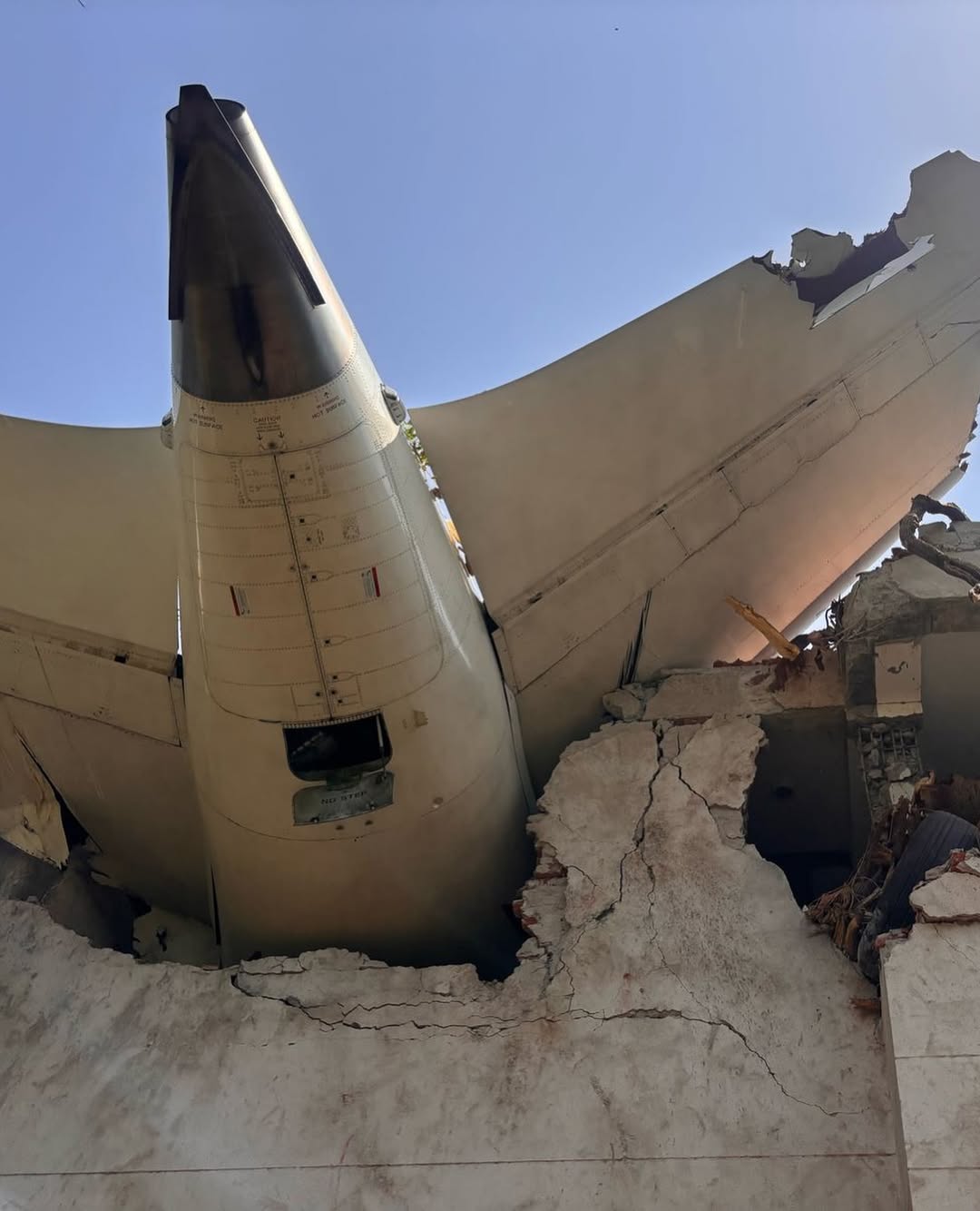
On June 12, 2025, a devastating Air India crash shook the city of Ahmedabad and the entire aviation sector in India ??. The accident, involving a Boeing 787-8 Dreamliner bound for London, resulted in the deaths of at least 241 people, including 53 British citizens and well-known figures such as Vijay Rupani. The plane crashed into the BJ Medical College hostel complex in the Meghani Nagar area, just moments after taking off from Sardar Vallabhbhai Patel International Airport. This tragedy not only brought immense loss but also exposed serious safety concerns about tall buildings and other obstructions near Indian airports.
In the immediate aftermath, the Ministry of Civil Aviation responded with urgency. On June 18, 2025, it released the draft Aircraft (Demolition of Obstructions) Rules, 2025. These new rules, now open for public comment, give authorities the power to demolish or reduce the height of buildings, trees, or other structures that violate height limits and threaten aircraft safety. The Director General of Civil Aviation (DGCA) is at the center of this enforcement process, overseeing both the identification of violations and the appeals process.
Let’s break down what these new rules mean, how they will be enforced, and what the implications are for property owners, local authorities, and the future of aviation safety in India ??.
What Triggered the New Rules?
The Air India crash was a wake-up call for everyone involved in Indian aviation. For years, experts had warned that tall buildings, trees, and other structures near airports could put planes at risk, especially during takeoff and landing. But enforcement of existing rules was often weak, and unauthorized construction continued in many airport zones.
The crash investigation quickly focused on these obstructions as a possible factor. According to analysis by VisaVerge.com, the tragedy highlighted the urgent need for stricter rules and better enforcement to protect passengers and the public.
Key Features of the Draft Aircraft (Demolition of Obstructions) Rules, 2025
The new draft rules represent a major change in how India ?? will handle safety risks near airports. Here are the most important points:
Scope and Authority
- Applies to all designated airport zones across India ??.
- Empowers officers-in-charge of airports to act against any structure or tree that exceeds height limits set under Section 18(1) of the Bharatiya Vayuyan Adhiniyam, 2024.
- The DGCA is the main authority for enforcement, appeals, and final decisions.
Step-by-Step Enforcement Process
- Detection: The officer-in-charge identifies a possible violation—such as a building or tree that is too tall.
- Notice to Owner: The owner receives a formal notice and must provide detailed information (like building dimensions and a site plan) within 60 days.
- Verification: Officers may inspect the site during daylight hours after notifying the owner. If the owner does not cooperate, the officer can use available records and escalate the case to the DGCA if needed.
- Order for Demolition or Reduction: If the DGCA or an authorized officer confirms a violation, they issue an order to demolish or reduce the height of the structure or tree. Owners have 60 days to comply, with a possible extension of another 60 days for valid reasons.
- Non-Compliance: If the owner does not act, the case goes to the District Collector, who must carry out the demolition or trimming, following procedures for unauthorized construction.
- Appeal: Owners can appeal the order by submitting the required form, supporting documents, and a fee of Rs 1,000.
- Compensation: Only owners who comply with the official order can claim compensation under Section 22 of the Bharatiya Vayuyan Adhiniyam, 2024. Structures built illegally after the notification date are not eligible for compensation.
Public Consultation
- The Ministry of Civil Aviation has invited the public to send objections or suggestions about the draft rules within 20 days of the June 18, 2025 notification.
- Submissions should be sent to the Director General of Civil Aviation (DGCA).
Why Are These Rules Important?
The Air India crash showed that ignoring height restrictions near airports can have deadly consequences. Tall buildings, trees, and other structures can block a plane’s path, especially during the critical moments of takeoff and landing. By giving clear powers to airport authorities and the DGCA, the new rules aim to remove these dangers quickly and efficiently.
For property owners, this means that any building or tree near an airport that is too tall could be ordered demolished or trimmed. Owners must respond quickly to official notices and can appeal if they believe the order is unfair. However, only those who follow the rules are eligible for compensation.
For local authorities, especially District Collectors, the rules create a direct responsibility to enforce demolition orders. This is meant to speed up the process and avoid long delays caused by bureaucracy.
For aviation safety, the rules are expected to make a big difference. By removing obstructions from flight paths, the risk of another disaster like the Air India crash is reduced.
How Will the Rules Affect Property Owners?
If you own property near an airport in India ??, these new rules could have a major impact:
- You may receive a notice if your building or tree is suspected of being too tall.
- You must respond within 60 days with detailed information about your property.
- If a violation is confirmed, you will be ordered to demolish or reduce the height of the structure or tree within 60 days (with a possible 60-day extension).
- If you do not comply, the District Collector will carry out the demolition or trimming, and you may lose the right to compensation.
- You can appeal the order by paying a Rs 1,000 fee and submitting the required documents.
- Compensation is only available if you comply with the order. If your structure was built illegally after the notification date, you cannot claim compensation.
This process is designed to be fair, giving owners a chance to respond and appeal, but it also makes it clear that safety comes first.
What About the Crash Investigation?
The investigation into the Air India crash is ongoing and involves several international agencies. India’s new black box analysis lab, which opened in April 2025, could not decode the badly damaged flight recorders from the crash. The black box has been sent to the US National Transportation Safety Board (NTSB) for data recovery, with help from the UK’s Air Accidents Investigation Branch because of the British victims.
The Aircraft Accident Investigation Bureau (AAIB) is leading the investigation in India ??, working closely with these international partners to find out exactly what happened and prevent future tragedies.
How Are Airlines Responding?
Air India is under intense scrutiny following the crash. Of its 33 Dreamliner aircraft, 24 have completed safety inspections, four are under long-term maintenance, and the rest are still being checked. Former Air India executive Jitender Bhargava has said that, while the crash is a terrible tragedy, it will not stop the airline’s growth plans.
The airline industry as a whole supports the new rules, even though they may cause short-term problems for communities near airports. Most experts agree that the changes are necessary to restore public confidence in air travel safety.
What Do Experts Say?
Aviation experts believe the new rules are a much-needed step to improve safety. India’s rapid urban growth has led to more buildings and trees near airports, increasing the risk of accidents. By making enforcement stricter and faster, the rules aim to fix a long-standing problem.
Legal analysts point out that the rules include important safeguards, such as notice, appeal, and compensation. However, they warn that there could be disputes over compensation and the rights of people who have owned property near airports for many years.
Community leaders in areas near airports are worried about the impact on residents, especially in crowded cities where many people live close to airport boundaries. Legal challenges and compensation claims are expected as the rules are put into action.
Historical Background
Height restrictions around airports are not new in India ??. They have been part of aviation regulations for years, but enforcement has often been weak. Unauthorized buildings and trees have continued to appear in critical zones, putting planes and people at risk.
The Air India crash has forced a major policy shift. The new rules are stricter, with clear timelines and accountability for enforcement. The goal is to prevent another tragedy by making sure that safety rules are followed.
What Happens Next?
The draft rules are open for public comment until early July 2025. After reviewing feedback, the Ministry of Civil Aviation is expected to finalize and publish the rules in the Official Gazette within a few weeks. This will make the new enforcement powers official.
Further reforms are likely as the crash investigation continues. These could include even stricter oversight of airport zoning and better technical tools for accident investigation.
Official Resources
For more information or to submit objections, suggestions, or appeals, property owners and the public can contact:
- Director General of Civil Aviation (DGCA): dgca.gov.in
- Ministry of Civil Aviation: civilaviation.gov.in
Summary Table: Key Features of the Draft Aircraft (Demolition of Obstructions) Rules, 2025
| Feature | Details |
|---|---|
| Notification Date | June 18, 2025 |
| Enforcement Trigger | Structures/trees exceeding height limits in aerodrome zones |
| Notice Period | 60 days to respond; possible 60-day extension |
| Enforcement Authority | Officer-in-charge, DGCA, District Collector |
| Appeal Mechanism | First/Second Appellate Officer; Rs 1,000 fee |
| Compensation Eligibility | Only for compliant owners; none for post-notification illegal structures |
| Public Feedback Window | 20 days from notification |
| Black Box Investigation | Sent to US NTSB; UK AAIB involved |
Practical Guidance for Stakeholders
For property owners near airports:
– Stay alert for any official notices regarding your property’s height.
– Respond quickly and provide all required documents.
– If you receive a demolition or trimming order, act within the given time to remain eligible for compensation.
– If you disagree with an order, use the appeal process and pay the required fee.
– Remember, only those who comply with the rules can claim compensation.
For local authorities:
– Be prepared to enforce demolition or trimming orders quickly.
– Follow the procedures set out in the new rules to avoid delays and disputes.
For the general public:
– You can submit feedback on the draft rules within the 20-day window.
– Stay informed about changes in airport safety regulations, especially if you live or work near an airport.
Conclusion
The Air India crash has led to a major overhaul of aviation safety rules in India ??. The new draft Aircraft (Demolition of Obstructions) Rules, 2025, give clear powers to authorities to remove dangerous obstructions near airports. While these changes may be difficult for some property owners and communities, they are seen as essential for protecting lives and restoring trust in air travel.
As reported by VisaVerge.com, the new rules mark a turning point in how India ?? manages airport safety. With strict enforcement, clear procedures, and a focus on public safety, the country is taking strong steps to prevent future tragedies. For anyone affected by these changes, it is important to understand your rights, responsibilities, and the steps you need to take to comply with the new rules.
For official updates and detailed information, visit the Director General of Civil Aviation (DGCA) website.
Learn Today
DGCA → Director General of Civil Aviation; India’s main authority for regulating aviation safety and enforcing rules near airports.
Bharatiya Vayuyan Adhiniyam → Indian legislation governing aviation safety, including height limits and demolition rules for obstructions near airports.
Demolition of Obstructions → Official removal or height reduction of unsafe structures or trees violating aviation safety height limits.
District Collector → Local government official responsible for enforcing demolition orders if property owners fail to comply.
Black Box → Flight data recorder used in crash investigations to analyze the aircraft’s final moments.
This Article in a Nutshell
The June 2025 Air India crash linked to tall airport obstructions triggered groundbreaking draft rules. India’s DGCA now enforces strict height limits near airports, aiming to enhance safety. Property owners face demolition or trimming orders, with compensation only upon compliance. Public consultation on these vital reforms closes in July.
— By VisaVerge.com