King Mohammed VI said on October 9, 2026, that Morocco’s migration cooperation with Spain had “reached its limits,” and announced plans for a new framework grounded in shared development. He spoke at Parliament’s opening in Rabat. The existing approach, he said, had delivered “concrete results,” but recurring crises showed it could no longer hold.
The announcement paired a call for a reset with a warning against outside pressure. The partnership, he said, was “a sovereign choice and a voluntary commitment.” It would not be subject to “pressure, threat, or blackmail.”
He also faulted Spanish legal provisions and court decisions, which he characterized as “outdated” and “detached from reality.” Those rules, he argued, make returns harder and leave room for trafficking groups. His criticism focused on a dispute that has flared repeatedly.
Free toolUSCIS Receipt Number Decoder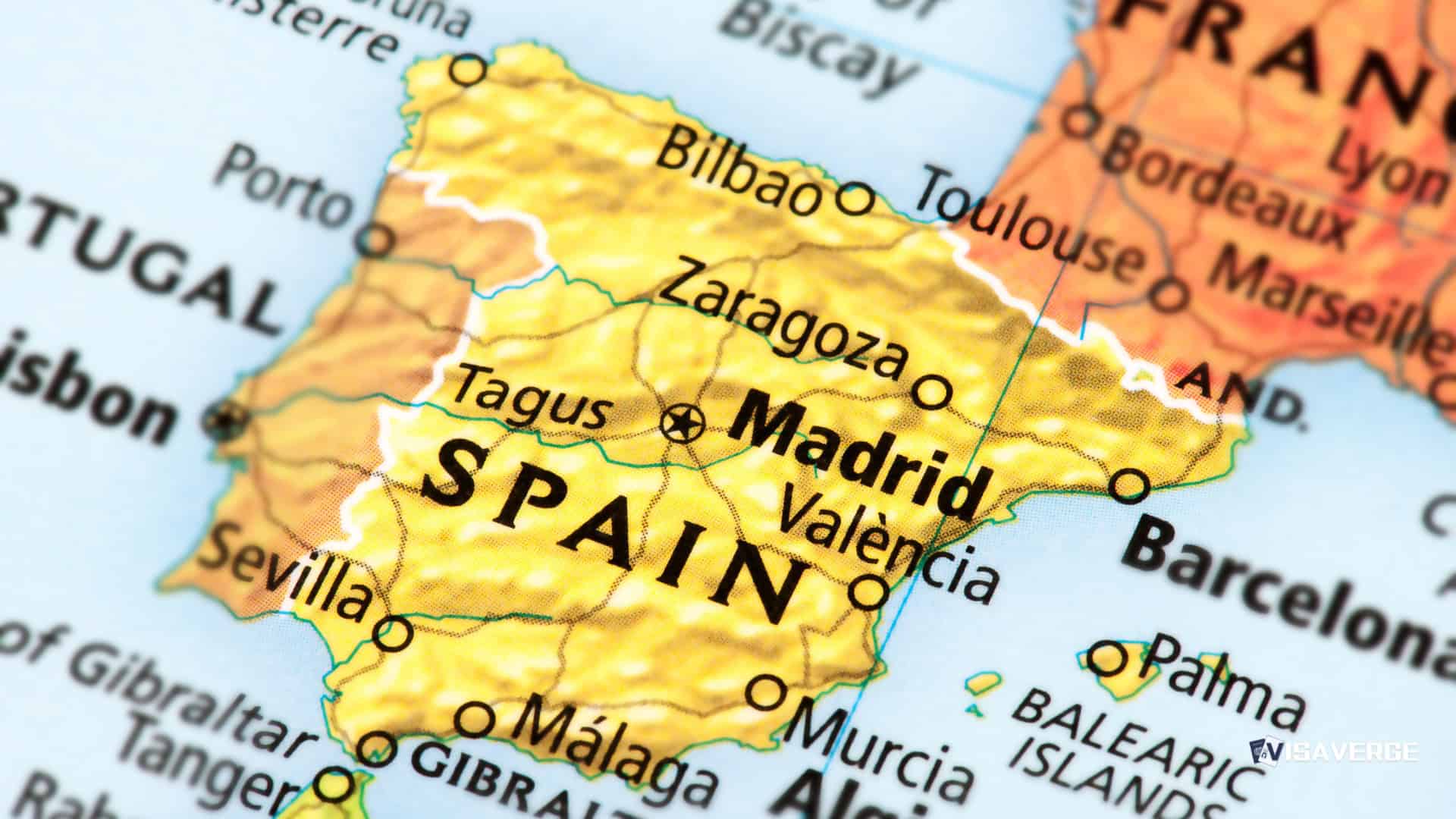
The new proposal is not a declaration that bilateral cooperation is over. Instead, the king said Morocco would send partners a plan for a different structure. Its details remain pending.
The proposed framework would tie migration to development
Mohammed VI called for a “clear and practical strategic vision” linking migration management with co-development, economic competitiveness and regional stability. He also invoked shared responsibility between Morocco and its European partners. The proposal would place border management within a wider economic and regional relationship.
His complaint centered on three linked matters: returning unaccompanied Moroccan minors, sending back people he accused of falsely claiming refugee status, and disrupting criminal trafficking networks. The king argued that legal constraints impede returns and that recurring crises can encourage criminal operators.
He described Morocco’s management as balanced and said the partnership had made progress against irregular migration. But he portrayed the present rules as unable to resolve disputes over returns and asylum procedures. The result, in his view, is a system that delivers some gains while repeatedly producing confrontation.
The message was also aimed at domestic political and media critics. Mohammed VI condemned what he called “irresponsible statements” and the “flagrant exploitation” of migration. He did not name the figures he accused.
Morocco’s position is that border enforcement cannot stand alone as a condition imposed by Madrid or the European Union. The proposed model would connect that work to broader economic priorities and regional stability. That is the political change Rabat is seeking.
The July crossings turned old disputes into a border crisis
The immediate backdrop was a mass crossing into Ceuta, the Spanish-administered enclave on Morocco’s northern coast. At least 70,000 people crossed in July 2026. Most later returned, while thousands, including minors, remained.
The episode set off a political fight in Madrid. Opposition parties blamed Prime Minister Pedro Sánchez’s government for its border response and accused Rabat of helping facilitate the arrivals. Morocco rejected the charge.
Moroccan officials instead pointed to social-media activity and confusion around a court ruling that seemed to create a legal opening for arrivals by sea. The movement strained local authorities, according to Moroccan accounts. Morocco also committed to readmitting people who had crossed and to efforts against the criminal networks organizing the movement.
The dispute echoes the king’s current objections. Morocco says Spanish judicial and legal limits frustrate the return of minors and other people it seeks to repatriate. Spanish opposition criticism, in turn, has focused on how the government handled a sudden influx. The parties remain at odds over both responsibility for the crisis and the rules that should govern returns.
Morocco cites interceptions while disputing the cost of controls
Morocco’s reported count for 2025 was 73,640 intercepted irregular-migration attempts, down 6.4% from the prior year. The figure offers a measure of the control effort Rabat says it is carrying out, though it does not resolve the dispute over the costs or terms of cooperation.
One estimate put Morocco’s annual spending on migration controls aimed at Europe at about €500 million. The same account put European Union funding from Brussels at less than €150 million. Those amounts were described as unofficial estimates, not as confirmed Moroccan or EU financial statements.
The figures sit behind Rabat’s argument that migration should be treated as a shared responsibility rather than an isolated security task. They also sharpen the question of what a revised partnership would ask each side to contribute. The king has proposed a new orientation, not a published budget or operational formula.
A thaw after 2022 has not settled the legal dispute
Relations improved after Madrid endorsed Morocco’s autonomy plan for Western Sahara in 2022. The warming supported closer work on trade, security and migration, but did not remove disagreements over border controls, asylum processes, migrant returns or court decisions.
Nasser Bourita, Morocco’s minister of foreign affairs, African cooperation and Moroccan expatriates, had previously criticized Spain’s People’s Party over its stance on the Ceuta crisis and Morocco’s role. The king’s speech carried the dispute beyond party criticism, setting out a demand to recast the partnership itself.
Morocco’s political transition also followed the September 23, 2026 election, in which Fatima Ezzahra El Mansouri’s party finished first. She was identified as the country’s newly appointed first female prime minister. Sánchez, meanwhile, faced opposition attacks over his government’s handling of the border episode.
As of October 10, 2026, the proposed strategic document had not become a detailed operational agreement. The next step is for Rabat to present its plan to its partners.