Key Takeaways
• Republic Airways and Mesa Air Group announced a merger on April 7, 2025, pending regulatory approval.
• The merged Republic Airways Holdings Inc. will operate 310 Embraer 170/175 aircraft with 1,250 daily departures across the U.S.
• Republic shareholders retain 88% ownership; Mesa shareholders get 6%-12%, depending on pre-closing conditions.
On April 7, 2025, Republic Airways and Mesa Air Group Inc. announced a groundbreaking decision to merge through an all-stock transaction. This move signals an important shift in the regional airline sector and aims to create a stronger, more efficient airline entity focused on delivering top-quality regional air services within the United States. The newly-merged company will operate as Republic Airways Holdings Inc., a name that reflects the combined strengths of these two established regional carriers.
The merger, pending shareholder and regulatory approval, is set to finalize by late Q3 or early Q4 of 2025. This unified front brings together Republic Airways and Mesa Air Group’s shared goals of serving passengers more effectively, expanding their network, and improving operations. With the merger, the company looks poised to have a greater impact, not only for its airline partners but also for the communities reliant on regional air services.

A Major Milestone for Regional Airlines
Once the merger is complete, Republic Airways Holdings Inc. will operate one of the most extensive fleets in the regional airline industry, consisting of approximately 310 Embraer 170/175 aircraft. The company will conduct over 1,250 daily departures and serve a broad network of destinations across the United States. The merger will combine key operations under contracts with major airline partners like American Airlines, Delta Air Lines, and United Airlines, ensuring that regional services are enhanced for millions of passengers.
Under the terms of the agreement, Republic Airways Holdings Inc. will also see Republic’s shareholders retain majority ownership of the newly-formed company with 88% of the shares. Mesa Air Group shareholders will hold the remaining 6% to 12%, depending on certain pre-closing conditions being met.
This merger does more than consolidate fleets and daily schedules; it addresses the financial and logistical issues that small and mid-sized regional airlines often face. For example, all of Mesa Air Group’s current debt obligations will be cleared, providing the new Republic Airways Holdings Inc. with firm financial ground for future operations.
Leadership and Governance
The leadership of Republic Airways Holdings Inc. will also reflect the combined resources and insights of the two companies. The board will consist of seven directors, with six coming from Republic’s existing governance and one independent director from Mesa’s team. This leadership structure will oversee critical aspects of the integration process, from streamlining operational functions to ensuring that the combined airline meets the performance expectations of partners like United Airlines, Delta Air Lines, and American Airlines.
Bryan Bedford, the current President and CEO of Republic Airways, is set to continue in his role as leader of the merged organization. He has emphasized that this merger presents a unique opportunity to expand the reach and connectivity of regional air services in the U.S. economy. His visionary approach will likely play a critical role in shaping how Republic Airways Holdings Inc. grows after the merger is finalized.
Historical Context for This Merger
To fully grasp the implications of this merger, it helps to understand the storied backgrounds of both Republic Airways and Mesa Air Group.
Founded in 1974, Republic Airways has built a solid reputation as one of the largest and most reliable regional airlines in the United States. By operating mainly Embraer 170/175 aircraft, Republic has carved out a significant presence in regions like the Northeast and the Mid-Atlantic, where it serves as an essential feeder airline for multiple major carriers. In 2024 alone, Republic flew approximately 17.5 million passengers across more than 300,000 flights. This track record reflects the company’s ability to serve high-demand corridors and fulfill capacity purchase agreements with the country’s largest airlines.
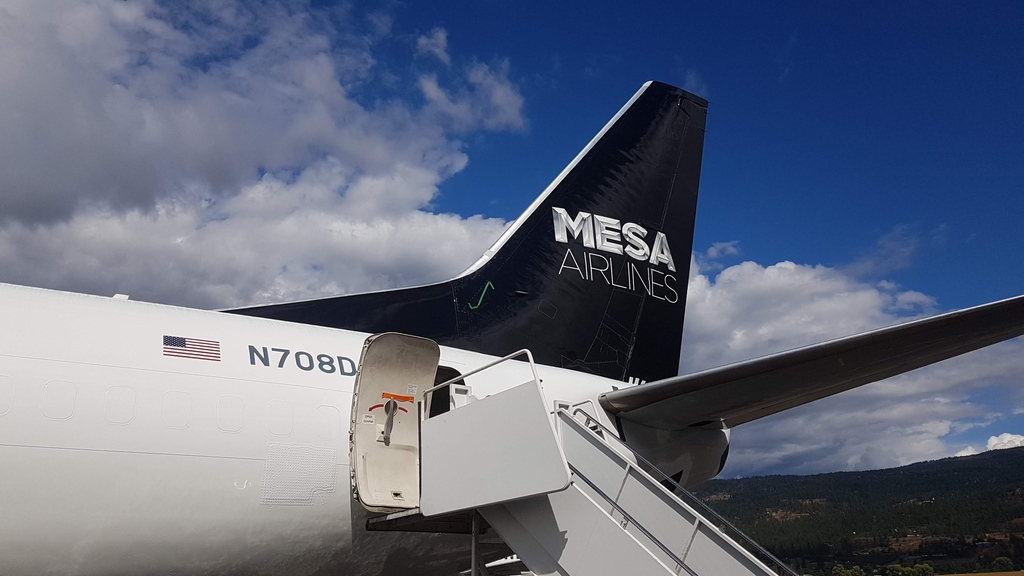
Mesa Air Group, which began operations in 1982, has also played a pivotal role in regional aviation. Operating through Mesa Airlines, its flights connect 89 cities spanning the United States and parts of the Bahamas, Canada, Cuba, and Mexico. Despite its smaller size relative to Republic, Mesa’s partnership with United Airlines has made it a valuable contender in the regional aviation landscape. By bringing its experience and its Embraer 175 fleet—the aircraft model commonly relied on in regional services—Mesa is giving the new entity a broader range of capabilities.
Why This Merger Matters
The decision to merge Republic Airways with Mesa Air Group is more than a business transaction—it represents a strategic response to challenges in the dynamic and competitive regional airline industry. Smaller airlines like Republic and Mesa often face steep costs, market pressures from airline megabrands, and the need to maintain lucrative agreements with airlines like Delta and United. By joining forces, the two companies aim to streamline their operations and become a stronger player in the regional aviation space.
One major advantage of the merger lies in the resulting economies of scale. The merged fleet of 310 Embraer 170/175 aircraft enables Republic Airways Holdings Inc. to lower operating costs, address redundancies, and provide a more expansive network to its airline partners and passengers. The anticipated 1,250 daily departures will also mean improved schedules, more reliable connectivity, and better service for regional travelers.
Another reason this merger is so important is that it strengthens Republic Airways Holdings Inc.’s ability to compete for major capacity purchase agreements. Airlines like United, Delta, and American often use these contracts to allocate their flights to smaller partners—ensuring regional service without using their own aircraft. With a larger fleet and simplified operations, Republic Airways Holdings Inc. will likely secure better agreements moving forward.
Potential Effects on the Aviation Industry
The merger between Republic Airways and Mesa Air Group reflects a larger trend of consolidation in the aviation industry. Airlines increasingly prefer to consolidate their operations rather than operate independently due to rising fuel costs and the need to maximize capacity on regional routes. For this reason, Republic Airways Holdings Inc.’s success could inspire other regional air carriers to consider similar consolidation strategies.
The new structure also highlights the importance of maintaining close relationships with major airline partners. By joining together, Republic Airways Holdings Inc. can offer an efficient and streamlined partnership model that fits the needs of airlines like Delta and United. The merged company will also likely focus on expanding routes to underserved areas, creating new opportunities for regional growth.
However, this move may also put competitive pressure on other regional carriers. Airlines that previously operated as independent or smaller-scale entities may struggle to keep up with the benefits brought by a larger Republic Airways Holdings Inc. For the regional aviation market, this merger could lead to an industry where only a few large-scale players dominate regional air travel.
Challenges and Integration
While there are obvious advantages to this merger, it comes with challenges that Republic Airways Holdings Inc. will face as it integrates operations. Regulatory approvals, for instance, are critical to finalize the deal and ensure compliance with U.S. competition laws designed to prevent monopolistic practices. Negotiations over details like flight schedules, fleet maintenance, and workforce mergers will likely take months.
A critical challenge also lies in ensuring minimal disruption for passengers and partner airlines during the integration phase. With multiple legacy systems needing mergers, Republic Airways Holdings Inc. will have to execute its strategy carefully to avoid delays, cancellations, or other operational inefficiencies.
Looking Ahead
In the ever-evolving landscape of the aviation industry, the merger between Republic Airways and Mesa Air Group is a momentous change. By creating a powerhouse regional carrier under the Republic Airways Holdings Inc. banner, the combined company not only secures growth opportunities but also strengthens its ability to meet future demands.
Travelers who rely on regional aviation services will likely notice improvements in connectivity, increased flight options, and better service reliability. Airline partners, meanwhile, can count on a more consistent and dependable provider of capacity-based services.
As Republic Airways Holdings Inc. emerges onto the scene, its success could become a model for the next phase of regional airline operations. For the time being, all eyes are focused on the rest of 2025 as this merger seeks shareholder and regulatory approvals. If successful, this partnership could redefine regional aviation in the United States for years to come.
For more detailed information on regulatory aviation guidelines, you can visit the Federal Aviation Administration (FAA) official website.
Learn Today
Merger → A combination of two companies into one entity to streamline operations and increase efficiency.
Capacity Purchase Agreement → Contracts where major airlines pay regional airlines for providing specific flight services.
Regulatory Approval → Official authorization required by government agencies to ensure legal and competitive compliance.
Embraer 170/175 → Popular twin-engine regional jet aircraft used extensively in short-haul air transport.
Economies of Scale → Cost advantages obtained by larger businesses through operational efficiency and increased production.
This Article in a Nutshell
Republic Airways and Mesa Air Group will merge to create Republic Airways Holdings Inc., operating 310 aircraft. Expected by Q4 2025, this transformative deal enhances U.S. regional aviation with 1,250 daily departures. Shareholders of Republic will maintain majority ownership, signaling modernization and strengthened partnerships with Delta, United, and American Airlines.
— By VisaVerge.com
Read more:
• H-1B Transfer Process During Merger or Acquisition
• I-140 Impact of Company Mergers and Acquisitions on Immigration
• Impact of Employer Acquisition on PERM Process: Company Merger Immigration Consequences
• Company Mergers and PERM Process: Implications for Existing Applications
• I-140 Petition: Implications of Employer Sale or Company Merger on Immigration Status