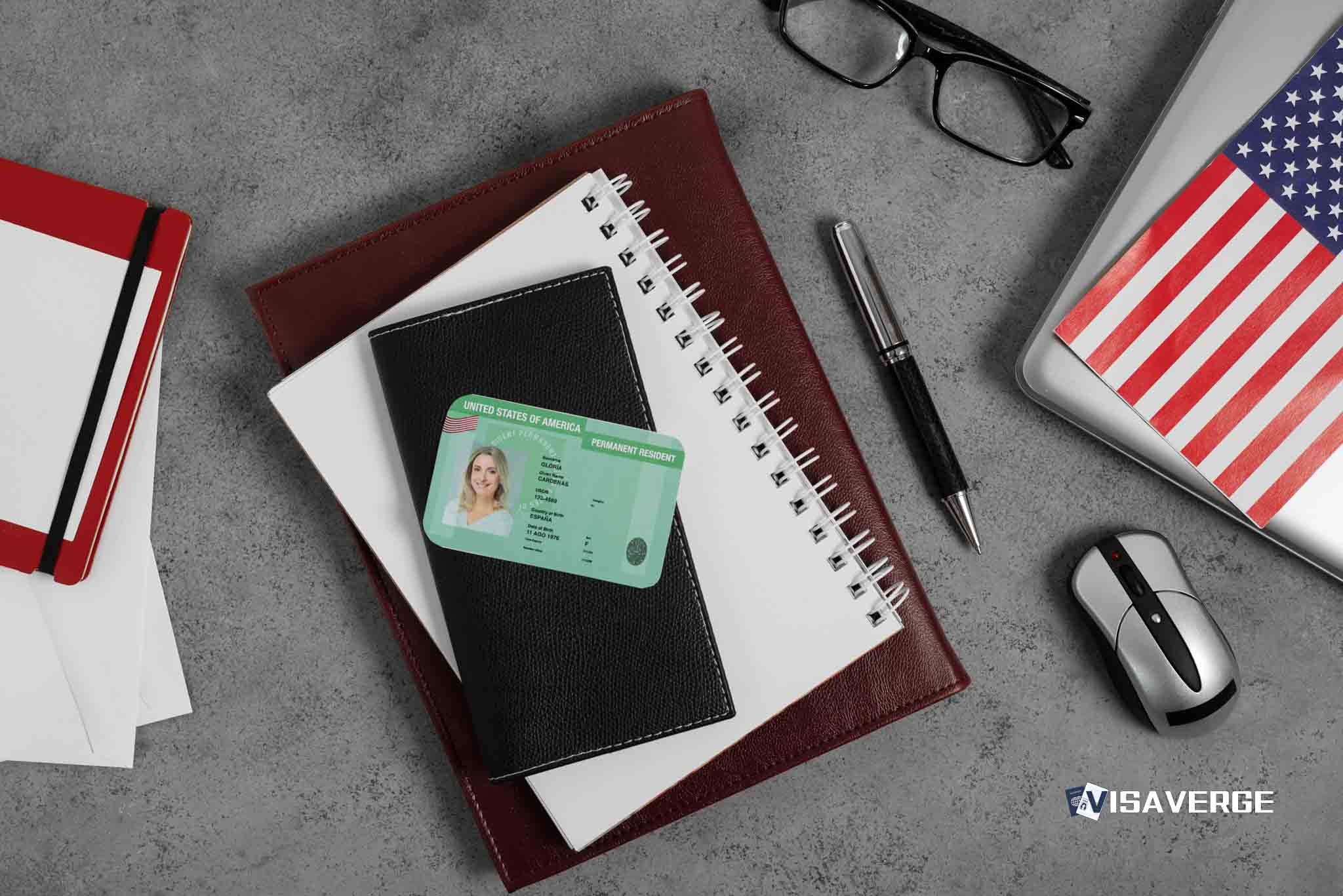
- Non-EU graduates can stay for one year to find employment or start a business in Spain.
- Applicants must have graduated from a recognized Spanish university within the last two years.
- A mandatory residence card application must be filed within thirty days of arriving in Spain.
(SPAIN) Spain’s Type D Job Seeker Visa gives recent Spanish university graduates up to one year to stay in the country, look for work, or launch a business. It is a practical route for non-EU graduates who want to move from study to employment without leaving Spain first.

VisaVerge.com reports that this route has become a common bridge for graduates who want to build their careers soon after finishing university in Spain. The process is strict, but it is clear. Applicants must prove recent graduation, enough money to live on, private health insurance, a clean record, and a place to stay.
Who qualifies for the Spain Type D route
The job seeker visa is tied to recent higher education in Spain. To qualify, applicants must have finished a Bachelor’s degree or a higher qualification at a recognized Spanish university within the last two years.
Free toolSchengen Short-Stay Visa CalculatorApplicants also need a passport with at least four months left before planned entry and at least two blank pages. A recent passport photo with a light background is required. So is a diploma or graduation certificate from the Spanish university.
The other eligibility rules are straightforward:
- No criminal record in Spain or any country lived in during the last five years
- Private health insurance covering the full stay
- Financial proof showing enough money to live in Spain while job hunting
- Accommodation proof such as a lease, hotel booking, or notarized invitation
- Medical certificate showing no condition that poses a public health risk
A police clearance certificate must come from every country where the applicant lived during the last five years. If the document is not in Spanish, a certified translation is usually required. Many consulates also ask for apostille or legalization.
The documents consulates expect to see
The application package needs to be complete and current. Missing papers are the most common cause of delay.
Most applicants must submit:
- The official Type D national visa application form
- A valid passport
- One recent passport-size photograph
- Proof of graduation from a Spanish university
- Private health insurance
- Bank statements or other financial proof
- Police clearance certificates
- A medical certificate
- Proof of accommodation in Spain
- Any extra papers the consulate requests
Applicants should use the latest form from the Spanish consulate or embassy website. The official government portal for visa information is the Spanish Ministry of Foreign Affairs. If a form is posted separately, it should be downloaded from that same official channel or the local consular site.
For readers who want the general visa framework, the main government page also points to official consular guidance and updates on requirements. That matters because procedures vary by office.
How the application moves from filing to approval
The process starts after graduation. First, the applicant gathers all documents and checks every date, signature, and translation. Then the visa form is completed and signed. Errors between the form and supporting papers often slow things down.
Next comes the fee payment. The reported range is €60 to €154, depending on nationality and visa category. Some categories fall around €80, while employee work visas are often about €154 and self-employed categories about €219. Applicants should confirm the exact amount with their local consulate, since exchange rates and office rules change. Payment is often taken in cash or by certified bank draft.
After that, applicants book a consular appointment. Many offices use an online booking system. At the appointment, officials may take fingerprints, review papers, and ask interview questions. Bring originals and copies. Keep the payment receipt too.
If documents were issued outside Spain, the consulate may ask for an apostille or legalization. Non-Spanish documents usually need a sworn translation into Spanish. That includes police records and, in some cases, university documents.
Processing times and what applicants should expect
Most applications are processed in about one month after filing. Some cases take two or three months if officials request extra papers or schedule an interview.
That is why fast replies matter. If the consulate asks for more information, send it quickly and in full. A late response delays the case.
If the visa is approved, the passport is collected from the consulate or embassy, or through a legal representative if that office allows it. Applicants should check the visa dates immediately. One wrong date can create problems at the border.
Arrival in Spain and the first 30 days
Once in Spain, the residence process is not finished. The next step is the Tarjeta de Identidad de Extranjero (TIE), the foreigner identity card. Applicants must apply for it within 30 days of arrival.
The TIE registration is done at the local Oficina de Extranjeros or police station. The passport, visa, and supporting documents are required. This card makes the residence status official.
Without the TIE, many daily tasks become harder. The card is often needed for banking, contracts, and later residence steps. Missing the 30-day deadline creates problems, so the appointment should be booked early.
Job search, business plans, and switching to work status
The Type D job seeker route gives graduates time to find a job linked to their studies or set up a business. If they secure employment or decide to start a company, they can apply for a new residence permit or work visa through local authorities without returning home first.
That flexibility makes this pathway more useful than a short-term visit. It gives graduates room to move from academic life into work life inside Spain.
The visa does not remove the need to keep status in order. Applicants must continue meeting the residence conditions throughout their stay. Private insurance, legal accommodation, and clean records remain part of the picture.
Common errors that slow cases down
Many refusals and delays come from avoidable mistakes:
- Applying after the two-year graduation window
- Using an expired passport or old photo
- Submitting incomplete bank statements
- Forgetting translation or apostille requirements
- Failing to show accommodation in Spain
- Missing the TIE deadline after arrival
The safest approach is simple. Check the local consulate website, prepare every paper early, and keep copies of everything submitted. Embassy rules can change without much warning, and local offices often apply them differently.
Spain’s Job Seeker Visa works best for graduates who are ready to move quickly, keep paperwork in order, and use their degree as a path into the Spanish labor market.