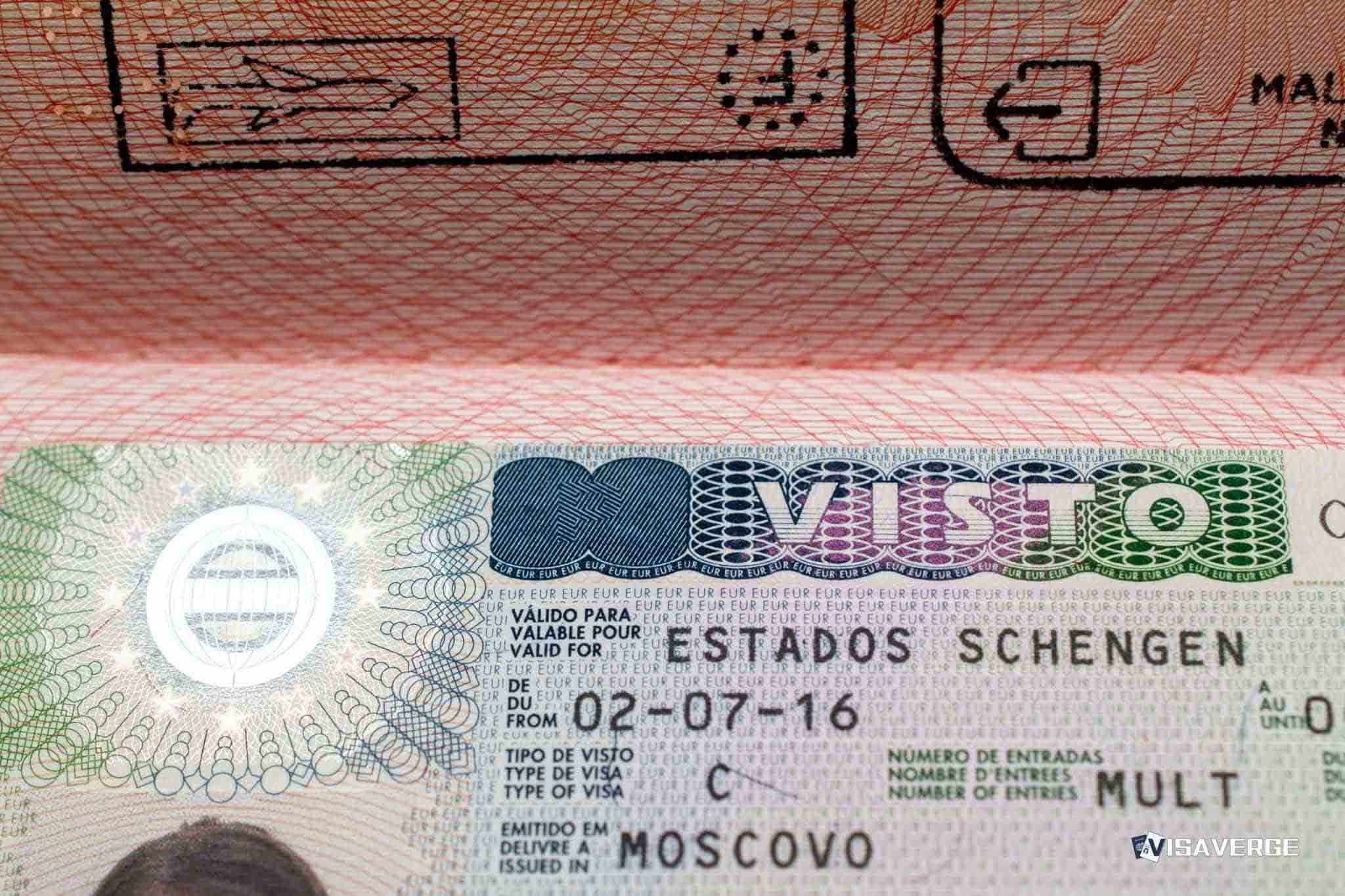
VFS Global said Chinese Schengen visa applications posted double-digit growth in the first half of 2026. Its China application centers processed about the same total volume as a year earlier. Italy and Germany led the rise. Europe stayed ahead.
The strongest gains came after demand picked up in May and kept running through July. Italy and Germany both posted double-digit growth in that stretch. The summer window set the pace. The shift was clear.
Elderly travelers accounted for more than one-third of the Chinese outbound visa applicants the company processed in the period. The report linked that group to long-haul European cultural tours, cruises, and themed travel. They were a core driver. Age shaped the mix.
Free toolSchengen Short-Stay Visa Calculator
The gains did not stop with the biggest Schengen names. Smaller destinations also pulled more Chinese applicants, and the list stretched well beyond the usual favorites. The map widened. Secondary markets joined the climb.
Shanghai, Beijing, and Guangzhou remained the largest outbound visa hubs. Hangzhou and Chengdu grew faster after expanded direct flight routes opened more options, while Shenzhen, Wuhan, Xi'an, and Kunming also showed strong growth. Air links mattered. So did geography.
China's broader travel picture stayed busy too. Border authorities handled 369 million inbound and outbound crossings in the first half of 2026, up 10.8% year on year, and official figures put foreign inbound entries at 22.91 million with visa-free entries at 17.82 million. Demand also stayed strong for Canada, the United Kingdom, the United States, and Switzerland, with education, family visits, and business travel remaining major drivers. The base was broad. Europe was not alone.
Smaller Schengen markets kept drawing Chinese applicants
| Group | Examples in the report |
|---|---|
| Western and southern Europe | Belgium, Bulgaria, the Czech Republic and Portugal |
| Northern Europe | Estonia, Latvia, Finland and Iceland |
| Nordic markets | Norway and Sweden |
The company released the report on August 25, 2026. The first-half numbers were already in the books. The update landed late summer.