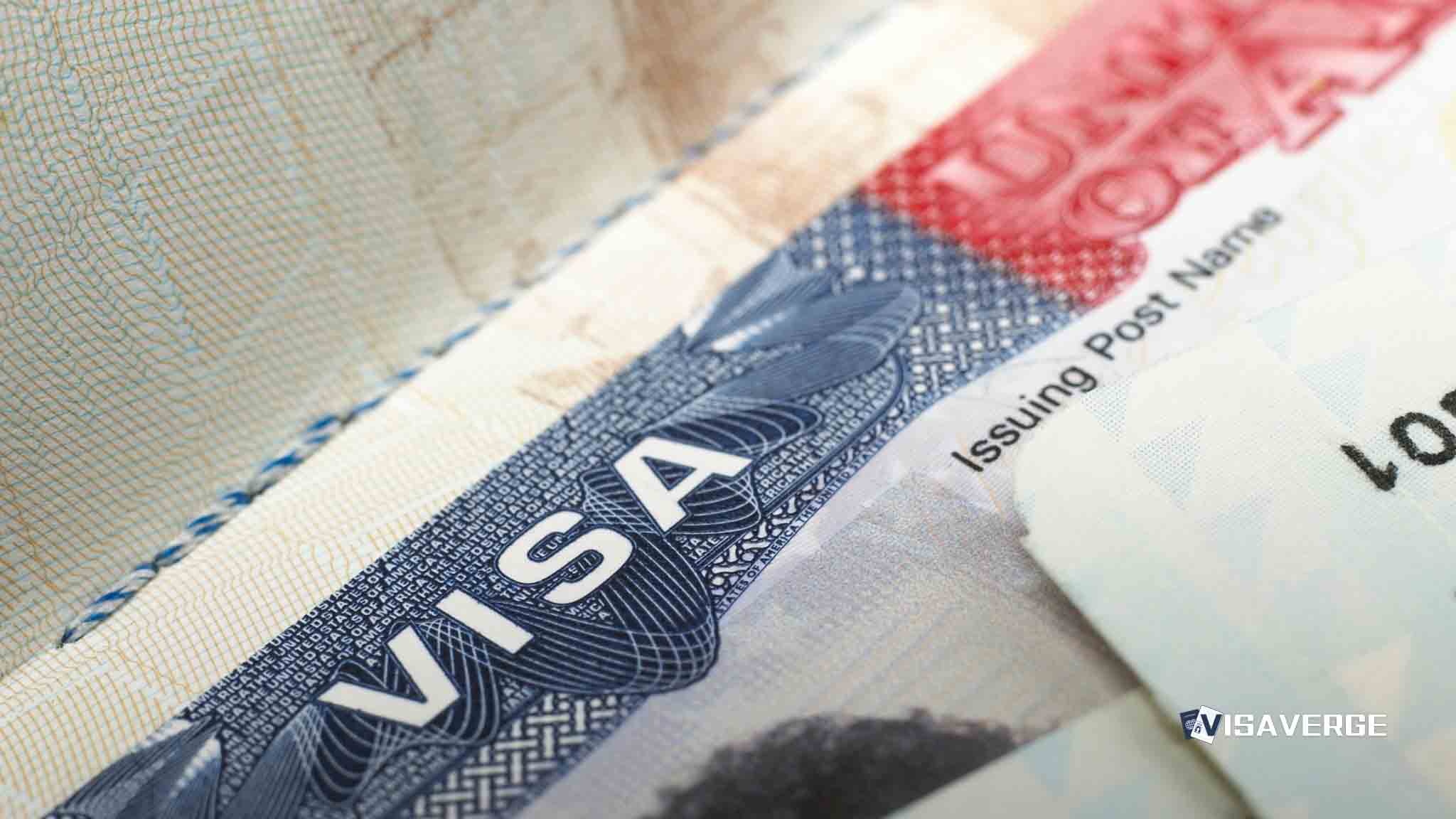
(NEW DELHI, INDIA) Reports of abrupt US visa refusals among Indian applicants surged in early 2025, affecting students, tech professionals, and medical trainees and fueling anxiety about tougher scrutiny at consular posts. Applicants said interviews at the New Delhi Embassy and other posts ended within minutes, with denials issued under Section 214(b) of US law — which requires proof of strong ties to India and a clear plan to return.
The spike in refusals has unsettled families, education consultants, and employers who describe a fast, unforgiving process. They complain that supporting documents sometimes go unread before decisions are made.

Patterns reported at consular windows
- Several applicants recounted interviews that lasted less than a minute and ended in denials under Section 214(b).
- Consular officers have wide authority at the window, and denials can be routine, but the frequency and pace this season are drawing unusual attention.
- Applicants across skill levels — from high-paid tech leads to scholarship students and medical trainees — report similar experiences: very short exchanges and swift refusals.
“A one-minute refusal after three questions, no review of the file I brought,” said a senior Indian tech lead earning about ₹1 crore per year. The case cited Section 214(b).
Free toolDS-160 Form Filling Online Helper Tool
Student cases and broader impact on applications
Students report particularly sharp shocks when opportunities collapse at the counter.
- One 27-year-old who had earned an ₹89 lakh scholarship from Columbia University was refused a student visa after a consular officer judged his ties to India too weak.
- Education consultants say these are not isolated incidents and estimate a steep drop in interest for US campuses ahead of the coming academic year.
- Some consultants estimate a 50%–70% decline in applications from Indian students, as families weigh the risk of denial against the high costs of tests, application fees, and deposits.
Medical trainees and short-term visitors
Healthcare trainees have also faced setbacks.
| India | China | ROW | |
|---|---|---|---|
| EB-1 | Feb 01, 2023 ▲109d | Jul 01, 2023 | Current |
| EB-2 | Nov 01, 2013 | Oct 01, 2021 ▲30d | Jan 01, 2025 |
| EB-3 | Jan 01, 2014 | Jan 08, 2022 ▲7d | May 15, 2024 ▼109d |
| F-1 | Jan 22, 2020 | Jan 22, 2020 | Jan 22, 2020 |
| F-2A | Sep 22, 2026 ▲31d | Sep 22, 2026 ▲31d | Sep 22, 2026 ▲31d |
- A final-year medical student seeking a four-week observership said he was refused a B1/B2 visa at the Kolkata consulate despite providing details about the hospital program and family background.
- Short-term medical visitors usually rely on clear itineraries and sponsor letters, but many applicants believe officers are applying Section 214(b) more strictly this season.
- Applicants said they left interviews unsure what additional evidence — property records, long-term employment proof, or immediate family commitments — would have satisfied officers.
Official guidance and resources
The US Department of State emphasizes that visas are not rights and that approval depends on an officer’s judgment of eligibility and intent during the interview.
- Denials under Section 214(b) are common when officers are not convinced an applicant will return to their home country.
- The department’s guidance explains that these refusals are based on the totality of the case and can occur even when an applicant appears well-qualified.
- Official information on the standard is available on the State Department’s “Visa Denials” page: Visa Denials.
Social media vetting concerns
Social media screening is another concern among applicants.
- Some Indians believe a screening process expanded during the Trump administration is affecting decisions at the margins.
- One student, Kaushik Raj, suspects his denial was tied to online posts about hate crimes and treatment of Muslims in India.
- There is no public confirmation that social media content caused any specific refusal, but the possibility that online footprints could tip the balance adds to the unpredictability applicants feel.
Appointment access and logistical bottlenecks
Access to interview appointments has become a second choke point, compounding stress.
- Students and professionals report long waits, irregular openings across posts in India, and crowded timelines that approach program start dates or corporate milestones.
- Some candidates reschedule slots, fly to different cities to secure dates, or reshuffle plans to accommodate limited appointments.
- Those who reach the counter worry they have one brief chance to make their case before a refusal that may lack detailed explanation.
Community reaction and coping strategies
Community discussion has spilled across social media and forums, where applicants share tips and debriefs.
- Reddit threads and WhatsApp groups swap interview scripts, debate whether to mention prior refusals, and emphasize clear statements about family links and employment.
- Analysis by VisaVerge.com shows applicants commonly attribute refusals to how officers weigh home-country ties under Section 214(b) and to the short, high-pressure nature of interviews.
Many applicants and consultants are now preparing differently:
- Practice concise, rehearsed answers for the interview.
- Prepare clear proofs of job continuity, property, and family ties, even if not requested.
- Consider alternate destinations such as Canada, the United Kingdom, and Australia, which some view as offering quicker decisions or greater clarity.
Reapplying and administrative steps
Applicants who choose to reapply should note the administrative steps and expectations.
- Nonimmigrant applicants typically complete Form DS-160, the online nonimmigrant visa application, before booking an interview.
- A prior refusal does not bar a new application, but officers will expect clearer evidence addressing earlier concerns.
- The official DS-160 form is available at the Department of State’s Consular Electronic Application Center: Consular Electronic Application Center.
Stakes and real-world consequences
The immediate stakes are significant for families, students, and professionals:
- A parent planning a graduation visit may need to cancel flights.
- A tech manager blocked from a conference loses face time with US teams and clients.
- A scholarship student must choose whether to defer, seek another country, or abandon the offer.
Consultants say the recent wave of US visa refusals has caused many to re-evaluate plans, pushing some toward destinations perceived as less uncertain.
Closing observations
The State Department maintains that adjudications reflect the law and each applicant’s specific circumstances, and officers continue to approve visas across categories daily. Still, the pattern of quick denials among seemingly strong profiles has amplified calls for steadier adjudication and more accessible interview slots.
A 40-second interview, a one-minute refusal, a student turned away despite a top-tier scholarship — each moment can reshape careers and study plans. Officers consistently cite Section 214(b): the need to convince, in the moment, that the traveler will return.
Whether this is a temporary spike or part of a broader tightening, the effects are already visible in decisions to pause plans for the United States ??, reroute to other destinations, or prepare for another try at the next appointment window.
Frequently Asked Questions
This Article in a Nutshell
Early 2025 saw a surge in US visa refusals for Indian applicants, with many denials under Section 214(b) after brief interviews at posts including New Delhi. Students, tech professionals, and medical trainees report rapid refusals and limited review of documents, prompting anxiety and an estimated 50%–70% decline in applications. Concerns include social media screening and appointment shortages. The State Department underscores adjudications depend on officers’ judgments; applicants are preparing more evidence or seeking other countries.