- U.S. consular officers increased visitor visa denials for Indian professionals under Section 214(b) throughout 2024 and 2025.
- A 2026 update introduced stricter vetting systems and a new 250 dollar Visa Integrity Fee per person.
- Even strong travel histories cannot guarantee visa approval if applicants fail to prove compelling home country ties.
(MUMBAI, INDIA) — A 26-year-old Indian doctor from Mumbai applied twice in 2025 for a U.S. B1/B2 visa and twice heard the same answer from a consular officer: “Ma’am, you are ineligible for the visa currently.”
The refusals, issued under Section 214(b), came despite what she described as strong ties in India and a travel history covering nearly 10 countries. Her case has struck a chord with young Indian professionals planning family trips to the United States, especially those who believed past travel and existing visas in the family would improve their chances.
Her experience also points to a tougher climate for Indian visitor visa applicants. According to analysis by immigration experts, denials for Indian B1/B2 visitors rose through 2024 and into 2025, with refusal rates for tourist visas reportedly up by 10–20% in 2024 compared with previous years, and early 2025 showing continued strictness.
By April 2026, that pressure had deepened as the United States rolled out wider immigration restrictions, new vetting systems and a new fee structure that affect how officers assess nonimmigrant travelers.
On December 16, 2025, the Trump Administration issued Presidential Proclamation 10998, which took effect on January 1, 2026, expanding existing travel restrictions to include 39 countries. The proclamation mainly affects immigrant visas and certain categories of entry, but it signals a broader push toward closer scrutiny of foreign nationals.
Countries facing total suspension of entry include Afghanistan, Myanmar, Chad, Republic of Congo, Equatorial Guinea, Eritrea, Haiti, Iran, Libya, Somalia, Sudan, Yemen, and others. Countries with partial restrictions include Burundi, Cuba, Laos, Sierra Leone, Togo, Turkmenistan, and Venezuela.
As of January 2026, the administration also suspended the approval of immigrant visas for people from 75 countries, arguing that it aims to ensure individuals from “high-risk countries do not utilize welfare in the United States.” By some estimates, that measure will block about half of all legal immigration to the US. The policy is being challenged in the Southern District of New York.
For visitor visa applicants, another change arrived in December 2025, when U.S. Citizenship and Immigration Services announced the creation of a new USCIS Vetting Center to “centralize the enhanced vetting” of applicants. USCIS said the center screens terrorists, criminal aliens, and other foreign nationals who may pose threats to public safety or who have engaged in fraud or other criminal activity.
A separate change took effect on March 30, 2026, when the U.S. Department of State expanded online presence screening to more nonimmigrant visa categories. Newly affected applicants include K-1 fiancé(e) visas, religious workers, trainees, domestic workers, and humanitarian categories such as T and U visas. Officials said the move strengthens national security screening.
The Mumbai doctor’s own case reflects how little even a strong travel history may count when an officer remains unconvinced about return plans. In her first application, filed during a gap year, she listed her status as “studying for tests.” By the time she reapplied, she had secured a postgraduate seat, reported an annual income of ₹8 lakh (approximately $9,600 USD), and added current employment details.
She told the officer she was visiting for tourism and planned to travel with her parents, who both hold valid US B1/B2 visas. She also said her sister is studying at a US university.
The interview was brief. After a greeting and a question about the purpose of travel, she said her family travels abroad every two years. The refusal followed.
What left her most surprised was that her travel history did not appear to help. She had visited nearly 10 countries, including Schengen states such as Austria, Italy, and Switzerland, and destinations like Vietnam, Morocco, Indonesia, Singapore, Malaysia, and Dubai.
At the center of the decision is INA §214(b), which presumes every visitor visa applicant is an intending immigrant unless the applicant persuades the officer otherwise. If the officer is not persuaded, the applicant receives a 214(b) refusal. There is no appeal for that application.
That differs from a 221(g) refusal, which is a temporary hold for missing documents or additional security checks. In the Mumbai doctor’s case, the refusal was under Section 214(b), making it final for each application she filed.
Consular officers often have only a few minutes to decide whether an applicant will return home on time. Immigration experts said posts now rely on stronger screening tools, including data analytics, to flag risk patterns before interviews. Officers also weigh country overstay patterns, the traveler’s age, family links in the US, and career stage in relation to past outcomes.
Under that approach, younger, single applicants with close relatives in the United States can face harder questions about return plans, even if they have steady work and sound finances. For the Mumbai doctor, immigration experts pointed to three elements that may have drawn attention: she is early in her career, she has a sibling in the US, and her parents hold US B1/B2 visas and planned to travel with her.
None of those factors by itself proves immigrant intent. Many families visit and return on time. Yet under a stricter reading of Section 214(b), officers may place more weight on any factor that suggests a pull toward the United States.
Experts identified several triggers that now carry added weight in B1/B2 visa interviews. A vague purpose of travel can hurt an applicant if “tourism” is not backed by a clear itinerary and funding details. Thin or new employment can also raise concerns because officers tend to look for continuity rather than recent changes.
Family links in the United States remain another area of scrutiny. Siblings or parents in the US can be seen as a reason to stay longer than planned. Limited rooted ties in India, such as the absence of property ownership, long leases, caretaking duties or community roles, can also weaken a case.
Consistency matters as well. Differences between the DS-160, financial records and public online activity can lead to doubt. Country overstay patterns can add pressure even for applicants with clean travel histories.
The expansion of digital screening has widened that lens. For B1/B2 applicants, officers now routinely examine social media profiles, online presence and digital footprints before and during interviews. Posts about job dissatisfaction, immigration aspirations, or family connections in the US can be flagged as evidence of immigrant intent.
The broader shift extends beyond individual interviews. The State Department has attributed forward movement in employment-based visa categories to “decreased consular issuance rates resulting from the administration’s nationality-based travel restrictions and immigrant visa processing pauses.” That points to slower issuance in some areas and a more cautious posture across categories.
The administration has also emphasized “maximum vigilance” while reviewing internal regulations and procedures. That wider climate has affected how officers approach visitor visa cases, with more weight placed on screening and less tolerance for ambiguity.
Beginning in 2026, most nonimmigrant visa applicants also face a new $250 “Visa Integrity Fee.” The surcharge is non-waivable and applies to common visa categories. For families traveling together, the added cost rises quickly because the fee applies per person.
For applicants refused under Section 214(b), a fresh filing remains possible, but the basic rule has not changed: a new application with the same facts usually produces the same result. Reapplying requires a new DS-160 and payment of the fee, including the new $250 Visa Integrity Fee.
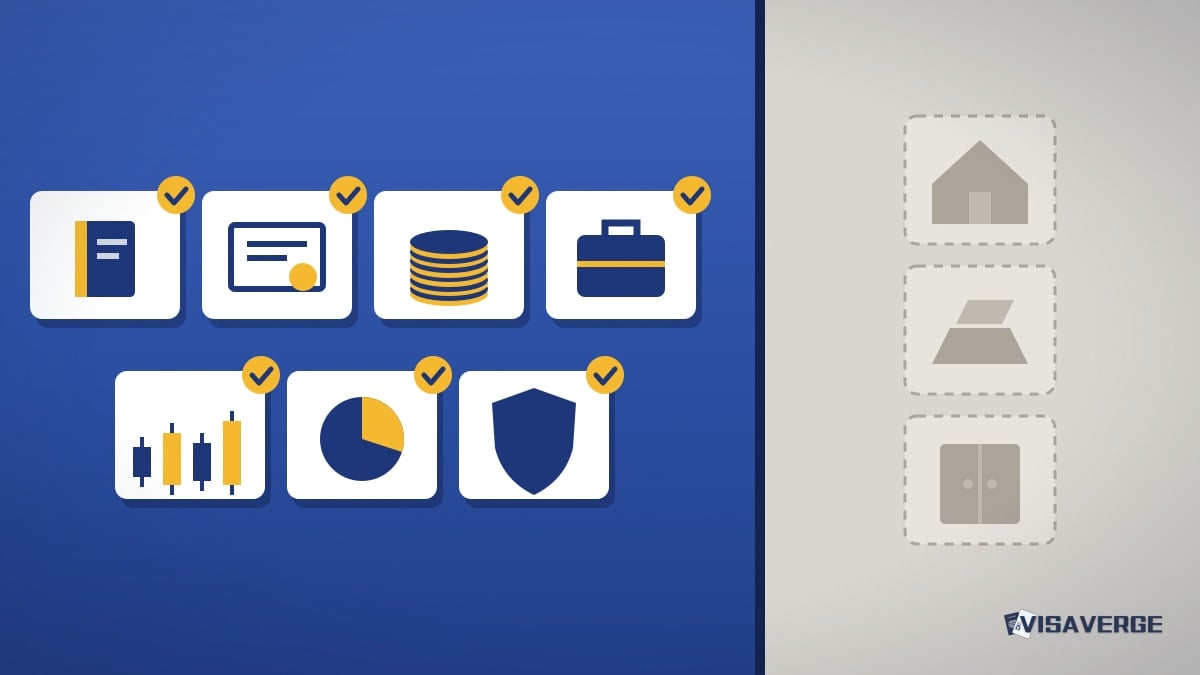
That leaves applicants trying to show what officers look for most under Section 214(b): strong ties to home, a specific travel plan and a credible reason to return. In practice, that can mean steadier employment, a longer record in the same role, clearer leave approval, documented financial patterns and a short, concrete itinerary.
For the Mumbai doctor, timing may matter. As a postgraduate trainee, more time in her role could strengthen a future application. A better-documented study and work schedule, proof of approved leave from training, and a tighter plan for a short visit could all help present a clearer picture of her obligations in India.
Her case also illustrates a broader lesson for Indian applicants with good travel history. Trips to Europe or Asia, even when fully compliant, do not guarantee a U.S. visa if the officer still sees unanswered questions about intent. Travel history may help. It does not control the outcome.
Immigration lawyers working with Indian B1/B2 cases have reported a consistent pattern across consulates: more scrutiny of intent to return, more weight on family links in the US, and less credit for past tourism alone. New screening tools now flag sudden financial changes or profiles matching past overstay trends.
For many Indian families, that has changed expectations around the B1/B2 visa process. A record of previous travel, stable income and relatives already holding visas may once have looked like clear strengths. Under the current standard, they can instead become part of a closer examination of whether the applicant has done enough to overcome the presumption built into Section 214(b).