(NEW DELHI, INDIA) A viral video from Delhi has stirred fresh debate about opaque visa refusals after a local vlogger said his friend’s U.S. tourist visa was denied and a consular officer allegedly told him to “See your own country first.” The clip, posted by Instagram user Jay in September 2025, describes a visa interview where the officer learned the applicant had rarely traveled beyond his home city and allegedly used that to dismiss the trip. Hindustan Times carried a disclaimer noting the account is user-generated and not independently verified, but the story has tapped into long-running frustrations among Indian applicants over perceived arbitrariness at consular windows.
The man in Jay’s video is portrayed as Delhi-born, hopeful to visit the United States ??, and surprised to hear domestic travel raised during a decision on a U.S. tourist visa. Many viewers found the alleged comment puzzling because there is no official rule that someone must explore India before seeking a foreign trip. Others questioned if the exchange was misheard or partly quoted. Still, the reaction reflects a wider feeling: decisions can seem personal and hard to predict, especially when explanations are brief.
Legal framework: Why most tourist visas are refused
Free toolB1/B2 Tourist Visa Stay Calculator onlineUnder U.S. law, tourist visas (B-1/B-2) are refused most often under Section 214(b) of the Immigration and Nationality Act. This rule requires the applicant to convince the officer they will return home after a short visit.
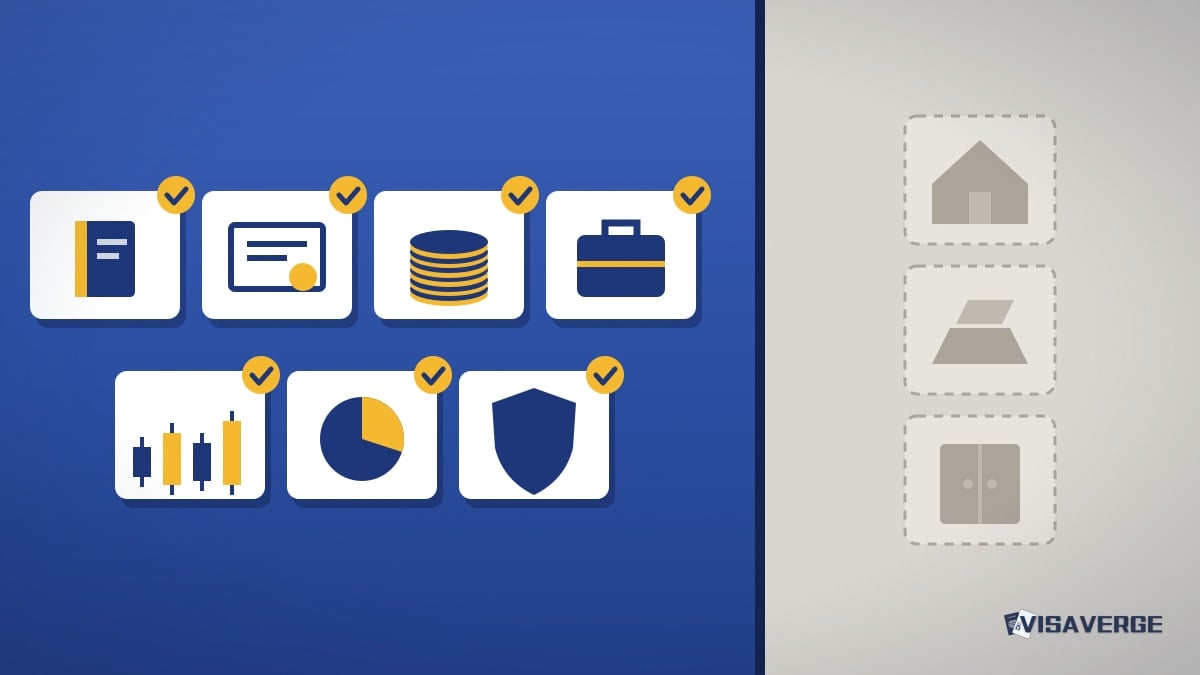
Officers consider ties to India such as:
- Steady work and approved leave
- Family responsibilities
- Study plans
- Property ownership
- Financial resources
- Travel patterns
There is no written requirement to have extensive travel inside India, but in practice, limited travel history—domestic or international—can lead an officer to question whether the plans are credible or affordable. According to analysis by VisaVerge.com, travel history is one piece of a larger puzzle and can be weighted differently by different officers.
“A sparse travel record may raise questions about first-time international travel, trip funding, or the likelihood of sticking to a short stay.”
Policy context and why travel history is raised
The U.S. consular interview is short, but officers weigh many factors quickly. They evaluate:
- The applicant’s nonimmigrant intent
- The stated purpose of travel
- Whether the applicant has overcome the legal presumption of immigrant intent
A limited travel record does not automatically disqualify someone, but it may require stronger evidence in other areas—such as employment letters, income proof, business registration, family ties, or study enrollment—to establish credibility.
Transparency is an ongoing issue. Many refusals come with little detail beyond a verbal comment and a printed reference to 214(b). Applicants often leave unsure which factor harmed their case. There is no formal appeal for a 214(b) refusal; the standard paths are:
- Reapply with stronger documents or after a material change (new job, improved finances).
- Review official guidance on visa denials at the U.S. Department of State: Section 214(b) visa denials.
Why the video resonated
Jay’s video went viral partly because it captured the emotional side of the process. People save for years to fund a family holiday or a long-awaited visit to friends in the U.S. A denial—especially if tied to something that feels off-topic, such as whether someone has been to Goa or Jaipur—can feel dismissive of genuine plans.
Social media amplifies these stories. While user-generated posts can lack full context, they highlight how visa decisions affect real plans, budgets, and emotions.
Recent trends and enforcement
In 2025, observers note tougher screening worldwide due to fraud concerns and stricter rule enforcement. The conversation in India now includes talk of:
- Deeper financial checks
- Closer review of stated itineraries
VisaVerge.com reports that refusal rates have climbed in some posts, with applicants urged to prepare carefully for interviews and to back up plans with clear evidence.
Practical steps for Indian applicants
For Indian tourists planning a U.S. trip, consider these practical points:
- Be ready to explain ties to India:
- Permanent job and approved leave
- Ongoing study or family care
- Ownership of property
- Show trip funding clearly:
- Bank statements
- Tax returns
- A short, realistic budget matching your income
- Clarify your purpose: be specific (e.g., two-week road trip, wedding, graduation).
- If you lack travel history, strengthen other areas. If you have prior international trips with timely returns, mention them.
- Keep answers short and consistent with your Form DS-160 application. Explain any changes briefly.
Applicants must complete the online Form DS-160 before the interview. The official application is available at Form DS-160 (CEAC). Bring the confirmation page, your passport, and any supporting documents you choose to carry.
While supporting documents are not always requested, many applicants find that having clean, organized evidence—employment letter, pay slips, tax returns, itinerary—reduces stress and helps answer quick questions.
If refused under 214(b)
- You can apply again at any time, but a repeat application without a change in facts often results in the same outcome.
- Common strategies after refusal:
- Wait until you can show stronger ties or more stable finances.
- Consider taking short trips elsewhere to build a travel record—this is a personal choice, not a rule.
- Reapply with new or clearer evidence supporting your short-term intent.
Officer discretion and consistency
Consular officers are trained to make fast, fact-based calls, but judgments about intent involve subjectivity. Two applicants with similar profiles may face different questions and outcomes.
That inconsistency helps explain why refusal stories attract attention online. It also underlines the value of calm, focused preparation that addresses the law’s core concern: a short visit supported by convincing ties to home.
Advice for families and specific applicant groups
- For families: a group application can be positive if everyone’s ties are clear and the budget matches the plan.
- For young adults without steady income: present a thoughtful plan supported by parents’ finances; officers will scrutinize reasons to return (degree programs, job prospects, family ties).
- For frequent travelers with steady careers: emphasize a clean travel history and a realistic itinerary.
Clarifying the “See your own country first” remark
There is no policy requiring domestic travel as a condition for a U.S. tourist visa. Some officers may treat travel history as a data point when judging reliability and resources, but the law centers on intent and ties, not a checklist of prior trips inside India.
Applicants who feel a remark was unfair cannot appeal the tone of an interview, but they can reapply and present a stronger, clearer case.
Important takeaway: A visa denial is not a ban. Many applicants succeed on a later try when circumstances are stronger and the case is easier to follow.
The Delhi video may fade, but the concerns it surfaced—brief explanations, subjective judgments, and the weight of travel history—remain. For now, the best path for Indian applicants is straightforward: prepare well, answer simply, and focus on the facts that matter most under the law. Avoid overpacking the interview with extra details; let your documents and your short, steady answers do the work.
This Article in a Nutshell
A viral video from Delhi claimed a U.S. tourist visa was denied after an officer allegedly told the applicant to “See your own country first,” sparking debate about opaque refusals. U.S. tourist visas (B-1/B-2) are most often refused under Section 214(b), which requires applicants to convince officers they will return home. Consular officers assess ties to India — employment, family, finances, property, and travel history — and limited travel can raise credibility questions. There is no formal appeal for 214(b) refusals; applicants may reapply anytime but should present material changes or stronger documentation. Practical advice includes clear proof of employment, funding, itinerary, consistent DS-160 answers, and organized supporting documents. The story highlights ongoing frustrations over brief explanations and subjective decisions at consular windows, and underlines the value of focused preparation to address intent and ties.