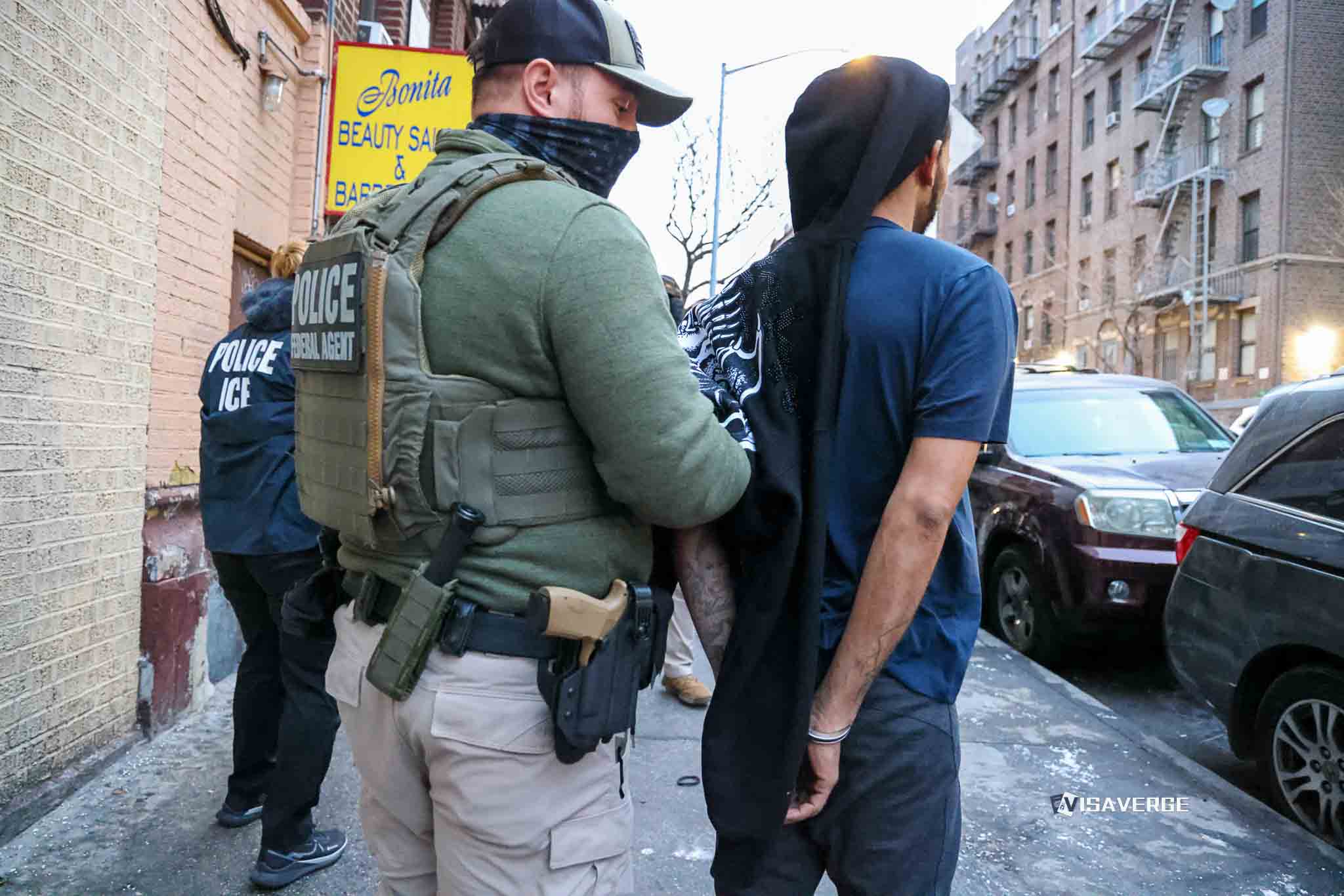
(DALLAS, TEXAS) Dallas city leaders have rejected a push to deepen local involvement in immigration enforcement, with the police department declining a $25 million offer from U.S. Immigration and Customs Enforcement to join the federal 287(g) program. Police Chief Eddie Comeaux said the department will not deputize officers to act as immigration agents, a step he warned would erode community trust and pull officers away from core public safety work.
“We will not wear uniforms enforcing federal immigration laws,” he said, underscoring that officers will not engage in immigration enforcement activities.

Where Dallas stands vs. statewide trends
Dallas’s decision places the city at odds with a broader Texas effort to expand local-federal immigration cooperation. Under Governor Greg Abbott, state police and many sheriffs have stepped up joint work with federal authorities, including arrests of undocumented immigrants for low-level offenses that can trigger removal proceedings.
Free toolUSCIS Receipt Number DecoderDallas has taken a different path:
- Keeps distance from direct federal immigration roles.
- Continues enforcing criminal laws regardless of a person’s immigration status.
- Emphasizes preserving trust so witnesses and victims will cooperate with police.
What is the 287(g) program?
The 287(g) program allows ICE to deputize trained local officers to:
| India | China | ROW | |
|---|---|---|---|
| EB-1 | Feb 01, 2023 ▲109d | Jul 01, 2023 | Current |
| EB-2 | Nov 01, 2013 | Oct 01, 2021 ▲30d | Jan 01, 2025 |
| EB-3 | Jan 01, 2014 | Jan 08, 2022 ▲7d | May 15, 2024 ▼109d |
| F-1 | Jan 22, 2020 | Jan 22, 2020 | Jan 22, 2020 |
| F-2A | Sep 22, 2026 ▲31d | Sep 22, 2026 ▲31d | Sep 22, 2026 ▲31d |
- Check immigration status
- Issue detainers
- Initiate removal processes
Supporters say it improves efficiency and public safety. Dallas officials counter that it can:
- Strain police-community relations
- Increase risk of racial profiling and civil rights violations
- Divert officers from local public-safety priorities
The department reports it has kept interactions with ICE to a minimum to protect cooperation from immigrant communities.
State response and legal context
State officials have pushed back. Attorney General Ken Paxton opened an investigation after Interim Police Chief Michael Igo said the department would not detain people based solely on immigration status. Paxton accused the city of acting like a “sanctuary city” and demanded records on Dallas’s policies, communications, and practices tied to immigration enforcement.
Key legal backdrop:
- Senate Bill 4 (SB4) (2017) bans sanctuary policies and requires local cooperation with federal immigration authorities.
- SB4 allows officers to ask about immigration status during lawful stops and threatens penalties for jurisdictions that limit cooperation.
- Dallas says it complies with SB4 but declines to sign formal agreements like 287(g) that would make city officers direct partners in civil immigration processes.
Dallas officials argue that taking on 287(g) duties:
- Blurs lines of responsibility
- Ties up city resources
- Exposes the city to lawsuits if detainees later claim wrongful arrest or discrimination
The ICE offer and the city’s reasoning
ICE offered to fund a 287(g) partnership in Dallas — an escalation in both money and expectations for local involvement. By refusing, Dallas signaled long-term concerns about intertwining local policing with federal immigration enforcement.
Community advocates welcomed the refusal, saying:
- Residents are more likely to report crimes and cooperate when not fearing immigration checks
- Cooperation from neighbors and witnesses is essential to solving violent crimes, especially in diverse neighborhoods
National and research perspectives
Analysis by VisaVerge.com and court records nationwide highlight common reasons cities avoid 287(g):
- Concerns about lawsuits and civil-rights claims
- Gaps in training
- Diversion of officers from local priorities
Research has documented cases where local 287(g) enforcement led to prolonged detentions, mistaken identity claims, or racial profiling disputes. Dallas officials say they do not want to spend taxpayer funds defending against civil rights suits tied to a federal role the city is not required to assume.
Arguments from proponents and opponents
Proponents of 287(g) say the program:
- Brings standardized training and clear procedures
- Helps avoid mistakes through screening, supervision, and data reporting requirements
- Is designed to identify and detain removable noncitizens in local custody
ICE’s program details are posted on the exact program page: https://www.ice.gov/identify-and-arrest/287g
Opponents — including civil rights groups and community organizers — counter that:
- Local immigration enforcement chills reporting of crimes like domestic violence and wage theft
- Even with training, immigrant communities may fear interaction with police
- Aggressive enforcement can deter families from attending school events or seeking emergency help
Practical impacts on local life and business
The debate has tangible effects:
- Employers want predictable rules and worry heavier entanglement could increase workplace checks or complicate hiring.
- Labor groups note workers already face pressure and confusion when immigration issues seep into routine police matters.
- Pastors and nonprofit leaders report families asking whether routine traffic stops could lead to detention.
City officials say these concerns reinforce the need to keep local policing separate from broader federal immigration duties to maintain public safety.
Ongoing legal and political dynamics
The dispute is evolving:
- Paxton’s document requests raise the possibility of further state action if his office deems Dallas’s policies restrictive.
- City Hall emphasizes it will follow state law while avoiding optional agreements that expand local roles in federal work.
- Dallas’s stance is being watched across Texas, producing a patchwork of jurisdictions — some signed 287(g) agreements, others resisted.
Dallas plans to work with federal partners when legally required (for example, honoring lawful warrants) but will not take on broader civil immigration duties.
“We will not engage in immigration enforcement activities,” Chief Comeaux said, repeating the department’s central policy line.
In a state moving toward deeper cooperation with federal immigration authorities, Dallas’s refusal to join 287(g) is a high-profile test of how much autonomy local leaders can exercise when balancing legal mandates, public safety, and community trust.
This Article in a Nutshell
Dallas refused a $25 million ICE offer to join the 287(g) program, with Police Chief Eddie Comeaux saying deputizing officers would harm trust and divert resources. The decision contrasts with statewide moves under Gov. Greg Abbott and drew scrutiny from Attorney General Ken Paxton, who opened an investigation after Dallas said it would not detain people solely for immigration status. Dallas asserts it will comply with SB4 while declining optional formal agreements that expand local federal immigration roles.