- Texas Democrats asked four San Antonio-area mayors to reconsider 287(g) deals and disclose costs, staffing, and arrest expectations.
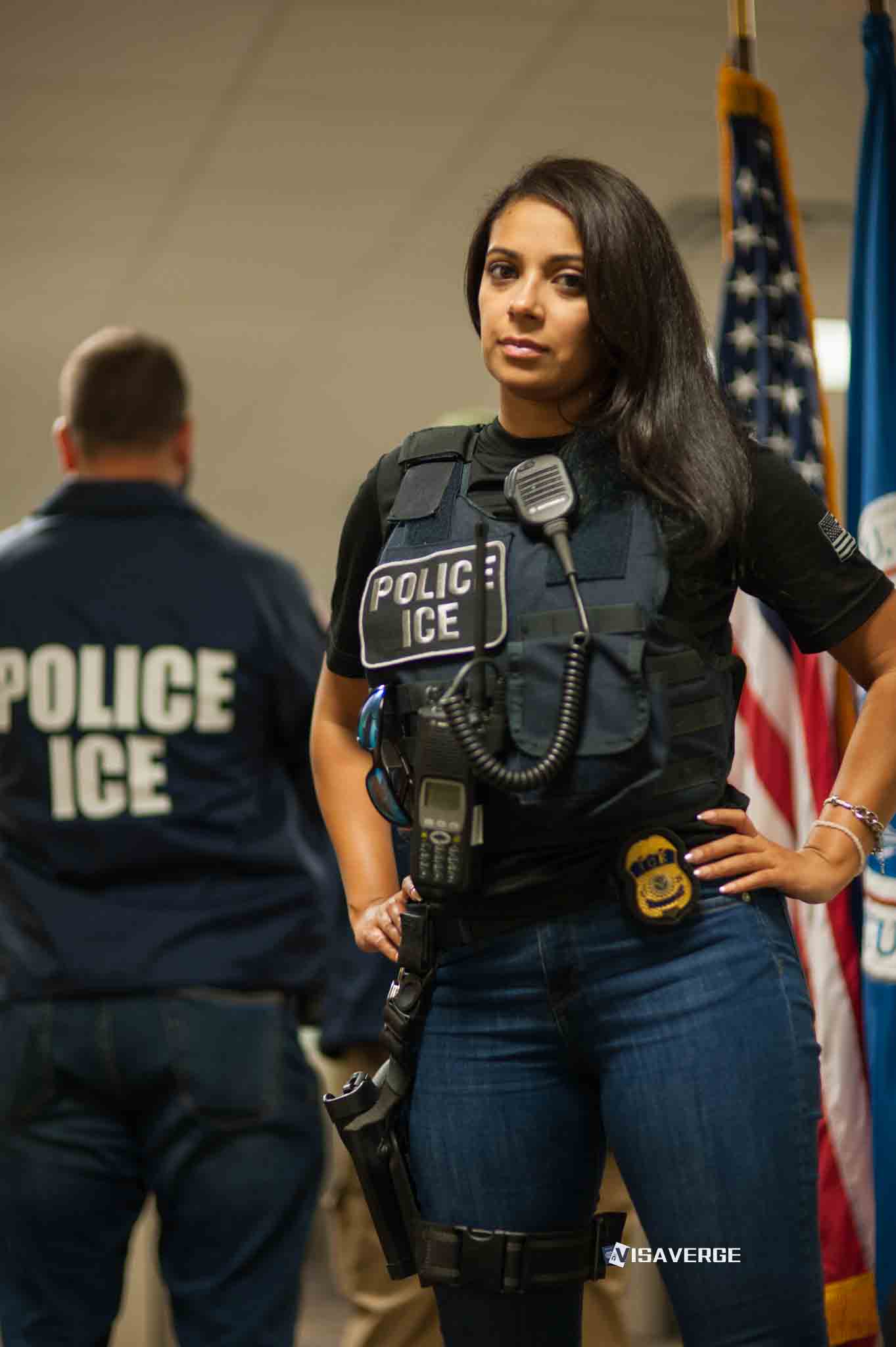
- The letter targets the ICE 287(g) Task Force Model, which lets trained local officers help with immigration checks during routine police work.
- State law already pressures local cooperation, while Texas counties using jail-based agreements reached roughly 73 percent compliance by February 2026.
Texas Democrats and Bexar County commissioners urged four San Antonio-area mayors Wednesday to reconsider their 287(g) partnerships with U.S. Immigration and Customs Enforcement and disclose the arrangements’ costs, staffing needs, reimbursements and arrest expectations.
U.S. Reps. Joaquin Castro and Greg Casar led the appeal in a letter dated August 12, 2026. The document targets Hollywood Park Mayor Chester Drash, Balcones Heights Mayor Johnny Rodriguez Jr., China Grove Mayor David Johnson and St. Hedwig Mayor John Hafner.
The lawmakers are seeking details about projected training costs and whether federal funding came with targets for arrests. They also questioned the role local officers would play during immigration enforcement.
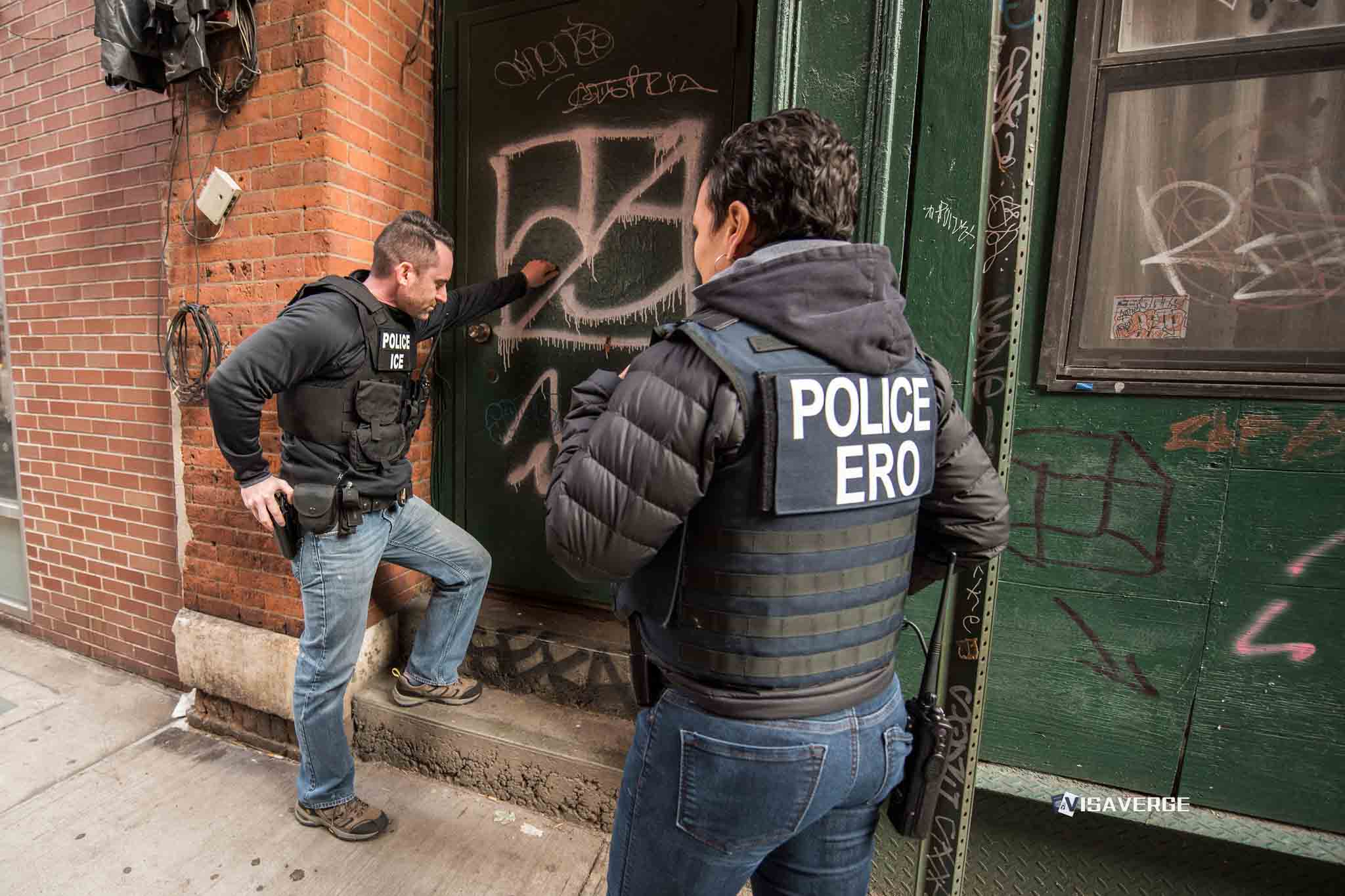
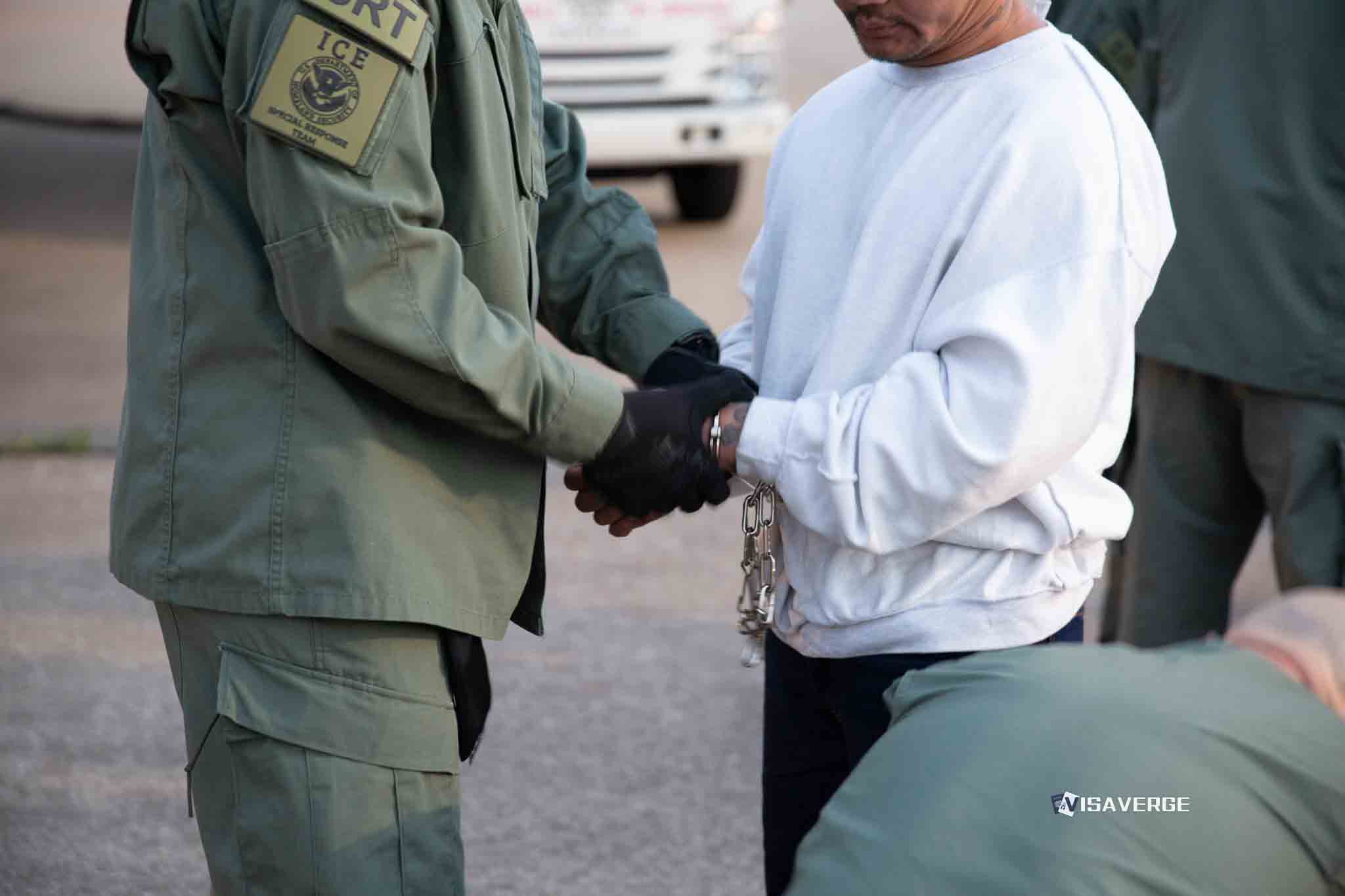
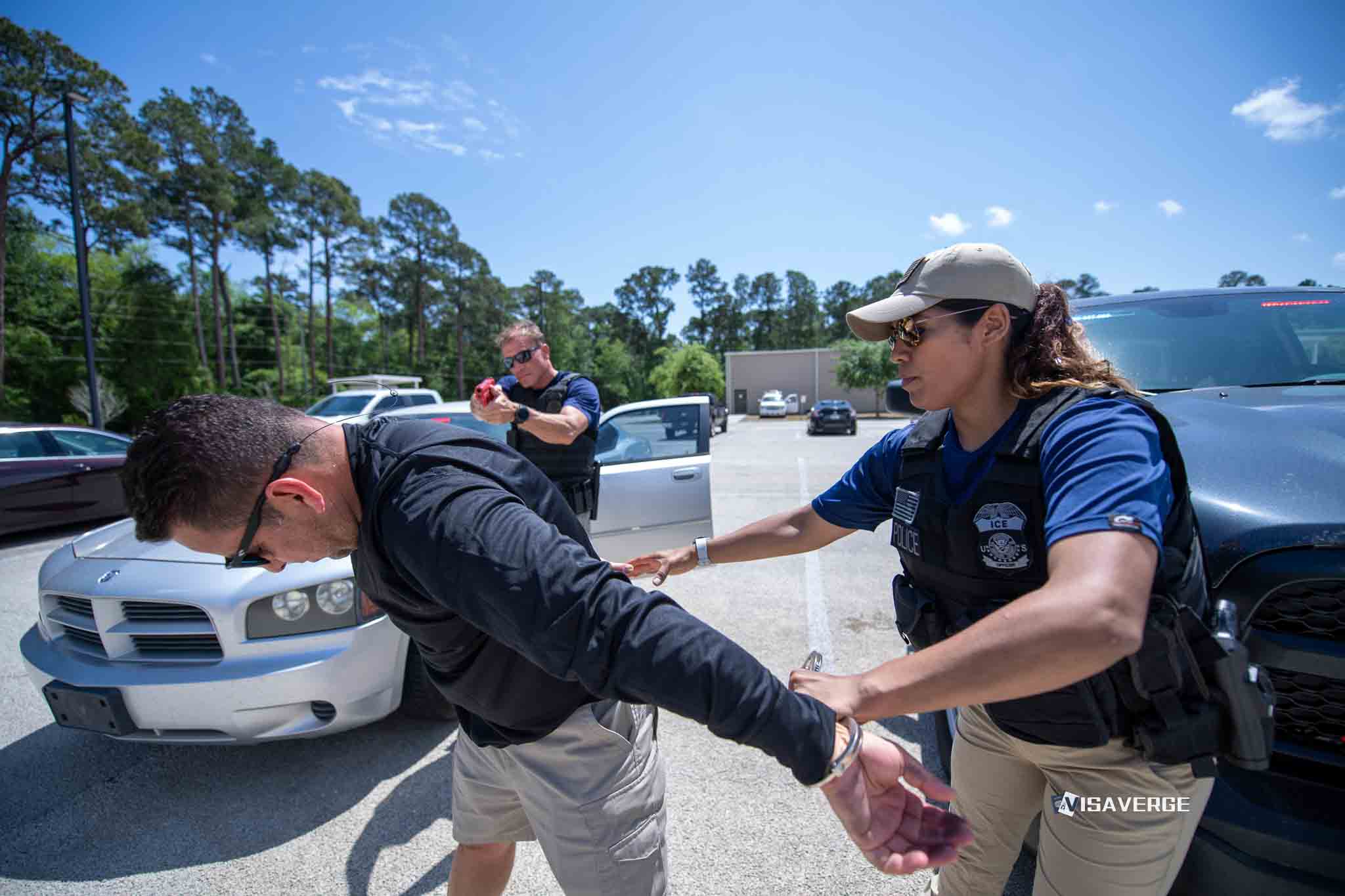
The letter challenges the ICE 287(g) Task Force Model, which permits ICE-trained local officers to perform limited immigration duties during routine police work, including traffic stops and DWI checkpoints. Critics say the model can encourage racial profiling, weaken trust in police and shift federal responsibilities onto local budgets.
“Your constituents and all Bexar County residents deserve local leaders who protect them from harmful overreach by the federal government.”
The letter also said the agreements could turn local police into federal immigration agents without adequate training or oversight.
Four mayors face questions about local enforcement duties
The mayors have been asked to reconsider voluntary agreements in their jurisdictions. The letter does not treat the four cities as identical, but places each under scrutiny for participating in a street-enforcement model.
Hollywood Park, Balcones Heights, China Grove and St. Hedwig are among the San Antonio-area cities where local officers could encounter immigration issues while handling ordinary police work. The lawmakers want the public to see how many officers would receive training, what the cities would pay and what reimbursements they expect.
The signers included state Sens. Roland Gutierrez and José Menéndez. State Reps. Diego Bernal, Philip Cortez, Barbara Gervin-Hawkins, Elizabeth Campos, Josey Garcia, Trey Martinez Fischer and Ray Lopez also signed.
Bexar County Commissioners Justin Rodriguez, Rebecca Clay-Flores and Tommy Calvert joined Castro and Casar. The coalition held a press conference Wednesday to press the mayors for answers.
The agreements would operate under a larger Texas mandate
Texas already has laws shaping how local governments cooperate with federal immigration authorities. Senate Bill 4, enacted in 2017, bars local governments from adopting “sanctuary” policies that materially limit enforcement of immigration laws.
Senate Bill 8 adds a separate requirement for county jails. Authored by State Sen. Charles Schwertner, a Republican from Georgetown, the 2025 law requires Texas sheriffs operating jails to request 287(g) agreements with ICE starting January 1, 2026.
By February 2026, roughly 73% of Texas’s 233 counties with jails had complied with that requirement. The jail-based arrangement differs from the street model at issue in the mayors’ jurisdictions.
Most San Antonio-area suburbs use the Task Force Model for roving enforcement outside jail facilities. The Bexar County Sheriff’s Office uses the Warrant Service Officer Model, which is limited to serving warrants on people already in jail.
Attorney General Ken Paxton and Gov. Greg Abbott have said local limits on ICE violate state law. Paxton said in April 2026:
“Under my watch, no Texas city will be a safe harbor for illegals.”
Local officials are weighing costs as well as enforcement
The lawmakers’ request for financial information comes amid disputes elsewhere in Texas over the price of limiting cooperation with ICE. Houston faced threats from Abbott to withdraw $110 million to $114 million in public-safety grants after local limits on enforcement.
Austin faced the threat of losing $2.5 million in state grants. Dallas risked losing $32 million to $55 million, including money connected to security for the 2026 FIFA World Cup.
Houston Mayor John Whitmire recently sought a 90-day pause on ICE enforcement operations after a fatal ICE-involved shooting. Texas law already limits cities from adopting non-cooperation policies, and Houston’s mayor and City Council amended a local ordinance in April and May 2026 after the state withdrew $110 million in grants.
Those disputes form the immediate backdrop for the letter’s questions about reimbursement expectations. The four mayors are being asked to identify the local price of training, staffing and enforcement before continuing the agreements.
Critics say cooperation changes how residents use public services
Gabriel Rosales of LULAC Texas said fear of local police has caused immigrant families to withdraw children from schools and avoid emergency medical treatment. Community advocates also argue that officers may use pretextual traffic stops to check immigration status.
Those claims remain part of the political and community debate over the arrangements. The lawmakers’ letter frames the risks as racial profiling, reduced trust and pressure on local finances.
The South Texas Alliance of Cities, which includes mayors from McAllen, Laredo and San Antonio, said in July 2026 that uncoordinated federal raids created “operational disruptions” for small businesses. The group did not limit its concern to the four cities named in Wednesday’s letter.
The effect on local policing was already under discussion in San Antonio. In January 2026, the city held a five-hour special session on ICE cooperation, with 180 people signed up to speak. Most opposed local-federal partnerships.
San Antonio has opposed a proposed detention facility
San Antonio Mayor Gina Ortiz Jones urged the Texas congressional delegation on February 11, 2026, to reject federal funding for a proposed 640,000-square-foot ICE detention facility in East San Antonio.
“Placing an ICE facility on our Eastside, an already economically depressed part of our community, would further negatively affect the local economy.”
That position concerns a detention facility rather than the four suburban agreements. It shows how local officials have confronted separate forms of ICE cooperation while state officials have pushed in the opposite direction.
The latest letter focuses on the practical terms of the agreements. The requested disclosures cover officer staffing, training costs, federal reimbursements and possible arrest targets.
The distinction could affect how residents and city councils assess the programs. A jail-based warrant service arrangement does not give officers the same roving street-enforcement role described in the letter.
The next dispute may center on records and oversight
Castro, Casar and the other signers are asking the four mayors to make the agreements’ operational details public. That includes the number of officers involved, training projections and the source of any promised federal funding.
The lawmakers said local police should not become federal agents without adequate oversight. Their appeal also asks whether arrest targets were attached to the funding, a question that could shape how city leaders evaluate the partnerships.
Texas officials have continued to defend state requirements and oppose local limits. The four mayors now face pressure from both directions, with the letter demanding disclosure and state policy requiring cooperation in specified settings.
This article provides general information and is not legal advice. Consult a qualified immigration attorney about your specific case.