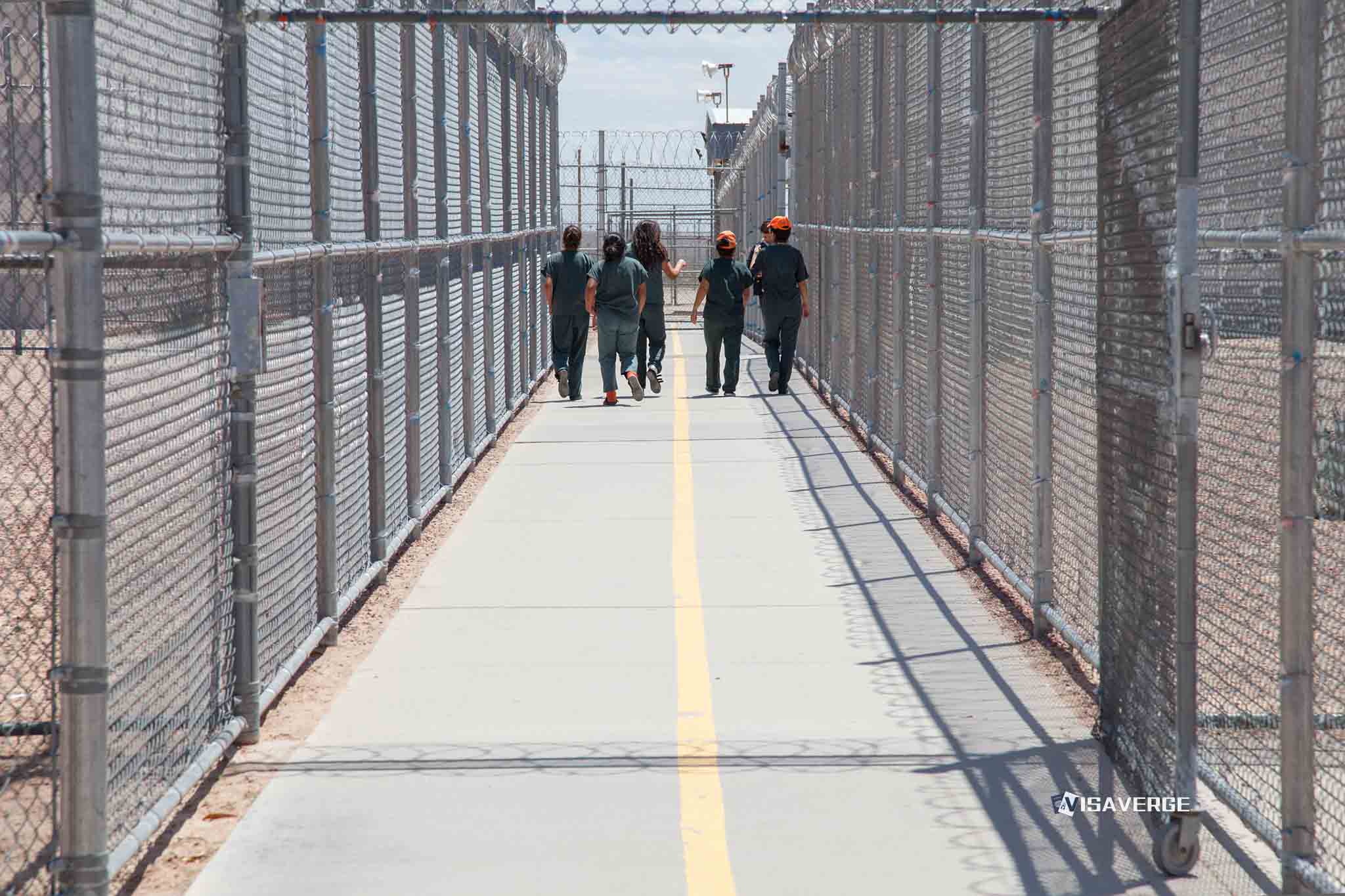
(WASHINGTON, D.C.) Child care providers across Washington D.C. are retreating from public view amid an ICE crackdown that immigrant advocates and parents say is hollowing out a fragile system just as demand for care rises. Since mid-2025, federal immigration enforcement in the District has surged. At one point, immigration-related arrests made up up to 40% of all arrests in the city, according to local data cited by advocates. The shift, combined with new federal funding set to arrive in October 2025, has sparked fresh fear among immigrant workers who staff a large share of the city’s nurseries, in-home daycares, and early learning programs.
Officials and organizers say the pullback is stark among child care workers who are immigrants—about 40% of the sector in Washington D.C. Many are undocumented or hold precarious status. Workers report cutting hours, moving to cash-only jobs, and turning down new families to reduce the risk of a traffic stop, a workplace visit, or an early morning knock at the door.

Providers describe missed doctor’s appointments, skipped trainings, and a pause on licensing renewals out of fear that any government office visit could expose them to detention. City hall has also become a battleground: the Metropolitan Police Department’s cooperation rules have shifted after years of limits approved in 2020. Under recent orders by Police Chief Pamela Smith, officers may now assist federal immigration operations more directly, though MPD remains barred from making arrests based solely on immigration status. Immigrant families say the change blurs lines that once offered a measure of safety when calling 911 or reporting a crime.
Enforcement surge, funding, and legal battles
The federal push in the nation’s capital is part of a broader campaign backed by new funding to Immigration and Customs Enforcement starting in October 2025, with Washington D.C. as a focal point. The effort followed President Trump’s call for a law enforcement surge to respond to crime in the District.
City leaders filed suit to limit the federal government’s attempts to compel full local police cooperation with ICE. A federal judge narrowed some requests but allowed certain immigration-related cooperation to proceed, leaving a patchwork that lawyers say is confusing for both officers and residents.
Civil rights groups, including the ACLU, warn the expanded cooperation invites racial profiling and chills community policing. Advocates say survivors of domestic violence and wage theft—many of whom rely on immigrant-run child care—are now less likely to seek help.
- Police leaders counter that officers are still bound by city law on immigration-only arrests and must focus on public safety.
- Federal officials argue they are upholding immigration law and targeting people with removal orders or criminal records.
The net effect is deeper fear in neighborhoods where federal agents and local patrol cars now appear to operate in closer step.
How enforcement changes affect child care operations
According to analysis by VisaVerge.com, the combination of heightened ICE activity and local cooperation changes often leads workers with mixed-status families to stop driving, avoid public transit hubs, and skip routine interactions with city agencies. For child care, that can mean:
- Fewer licensed slots and more waitlists as workers go “underground”
- Shorter hours and sudden closures
- Higher prices as centers pay overtime or use temporary staff
- Interruptions in early learning that affect school readiness
- Parents cutting work hours or quitting jobs to stay home
Directors say hiring has stalled. Home-based providers who once accepted infants are closing doors or taking fewer children, citing anxiety about strangers at pickup and fear that a parent’s late arrival could coincide with an enforcement sweep. Families who rely on early morning care—nurses, janitors, restaurant staff—are among the first to lose out.
The personal toll on workers and families
Workers describe the personal toll in stark terms. Some now sleep with lights off and phones on silent. Others have stopped attending English classes, fearing a raid near community centers. A few report moving between apartments to avoid creating patterns. One provider said she now meets families only through trusted referrals and no longer posts openings online.
Practical steps spreading through word of mouth include:
- Keep copies of children’s medical forms, consent letters, and emergency contacts in backpacks in case a parent is delayed.
- Designate backup adults for pickup and confirm they’re listed with the provider.
- Store wage records and licensing documents with a trusted friend rather than at home.
- Memorize key phone numbers and set up childcare payment systems that don’t require in-person visits.
Officials encourage residents to review federal materials about enforcement and removal so they understand the process and points of contact. ICE’s Enforcement and Removal Operations page offers general policy information and contact details for field offices, though advocates caution that it is not a resource for legal defense or people fearing arrest. Readers can consult ICE Enforcement and Removal Operations for official information.
Policy context and ongoing legal fight
The 2020 D.C. law that limited local police cooperation with ICE aimed to maintain trust so residents could report crimes without fear. The recent orders mark a notable shift from that approach. They permit some forms of assistance to federal agents while retaining a bar on immigration-status-only arrests. Lawyers say the nuanced rules make real-time decisions harder for officers and residents alike.
- Parents now wonder whether routine incidents—like a car crash or a call to report a stolen car—could draw ICE attention.
- Federal officials defend the surge as necessary, saying the focus is on enforcing removal orders and addressing public safety concerns.
- Civil rights organizations argue that broad workplace and neighborhood actions sweep in parents whose only offense is a visa overstay.
Child care advocates warn deportations and detentions erode a workforce that took years to build, and that once providers leave the field, they often don’t return.
Looking ahead: risks and responses
With new ICE funding beginning in October 2025, advocates expect more arrests and more pressure on mixed-status households. City officials and nonprofits are preparing legal clinics and “know your rights” sessions, while urging families to keep emergency contact plans for school pickups and medical needs.
Advocates plan to challenge any expansion of local cooperation and push the Council to reaffirm protections first set in 2020. Providers ask for clear guidance that routine licensing, inspections, and training will not expose them or their families. Parents want stability: assured opening hours, steady teachers, and predictable costs.
Without policy adjustments or a pause in the ICE crackdown, the sector’s slow bleed may turn into a sharper break. The question now is not whether Washington D.C. will feel the strain—it already does—but how deep the damage will run as October’s enforcement funding arrives and the city’s youngest residents bear the heaviest unseen cost.
For Washington D.C.’s child care system, the immediate reality is fewer caregivers, more sudden closures, and a widening gap between need and supply. Families are juggling multiple jobs and long commutes. Every lost slot is another missed shift, another paycheck gone, another child bounced between temporary arrangements.
This Article in a Nutshell
Since mid-2025, a spike in federal immigration enforcement in Washington D.C. has coincided with changes allowing increased local assistance to ICE, prompting widespread fear among immigrant child care providers. Immigrants make up about 40% of the District’s child care workforce; many report cutting hours, avoiding licensing and training, moving to cash-only work, and turning away new families to minimize exposure. The federal campaign is tied to new ICE funding starting October 2025 and followed legal challenges over compelling local police cooperation. Consequences include fewer licensed slots, shorter hours, higher costs, and interruptions to early learning—disproportionately affecting frontline working parents. Advocates and city groups are preparing legal clinics and outreach, while providers demand clear protections that routine visits for licensing, inspections, and training won’t trigger detention. Without policy changes, the child care system risks deeper, possibly irreversible losses as enforcement increases.